Behavioral Artistry in ABA: The Human Side of Care
Behavioral artistry is the skill of building trust while you push clients to grow. Learn what it means and how it can be taught.
Key takeaway
Behavioral artistry is the soft-skill side of good ABA work. It is how you connect with a person while you help them change. It covers warmth, timing, and the read of a room.
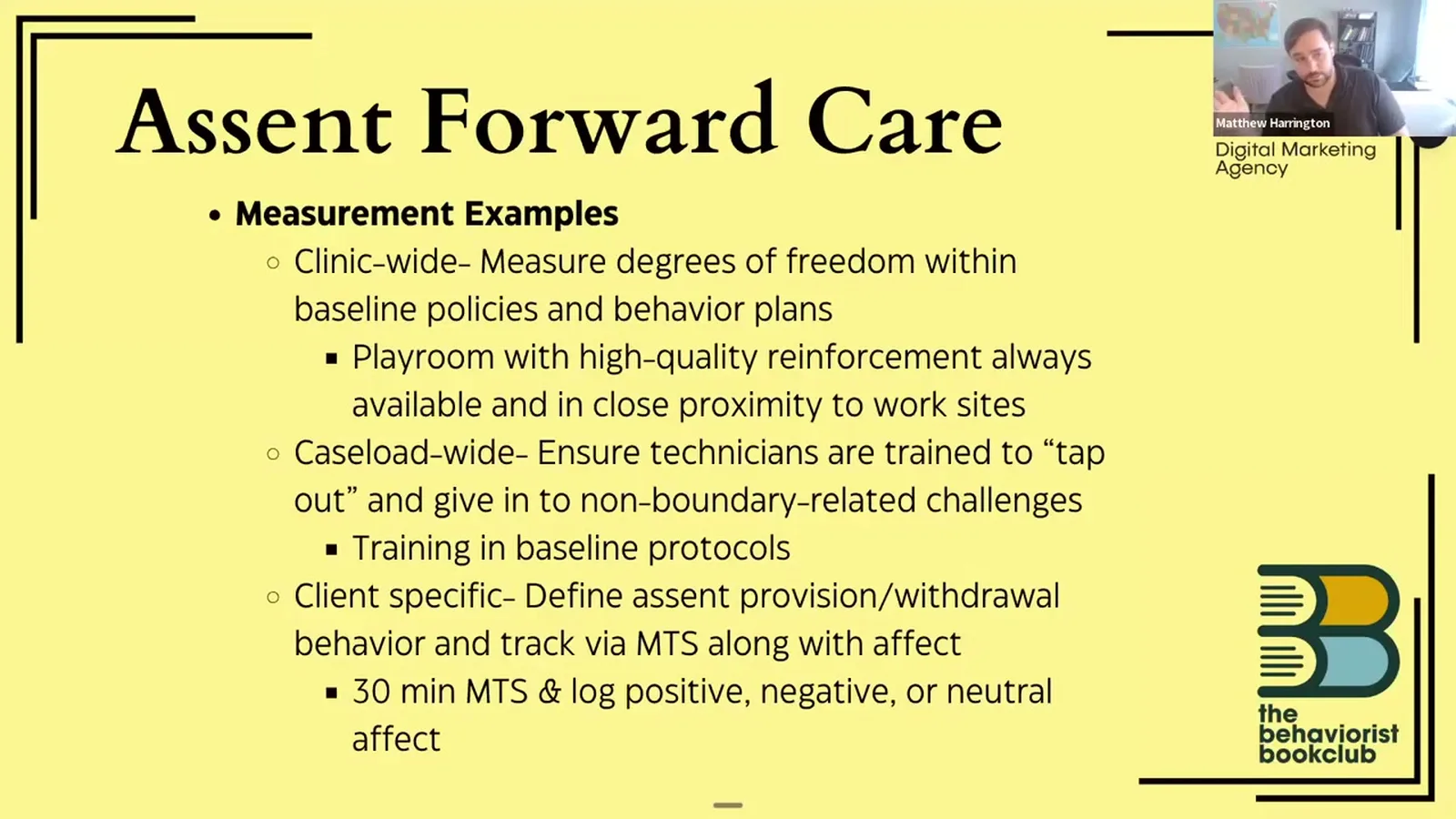
Ethical Guardrails in Behavior Reduction
Experts who cover this
2 recordings on openceu cover behavioral artistry.
- Featured talk1 Ethics CEU
Ethical Guardrails in Behavior Reduction
Matt HarringtonThe Behaviorist Bookclub
Defined as the skill of noticing when a hard intervention has cost some rapport and deliberately rebuilding trust afterward, described as a repeated…
- 1 CEU
The Math Behind Behavior Reduction
Matt HarringtonThe Behaviorist Bookclub
Named as the research-world counterpart to clinicians' 'behavior instinct,' describing an RBT or clinician's ability to adjust and teach on the fly; Harrington…
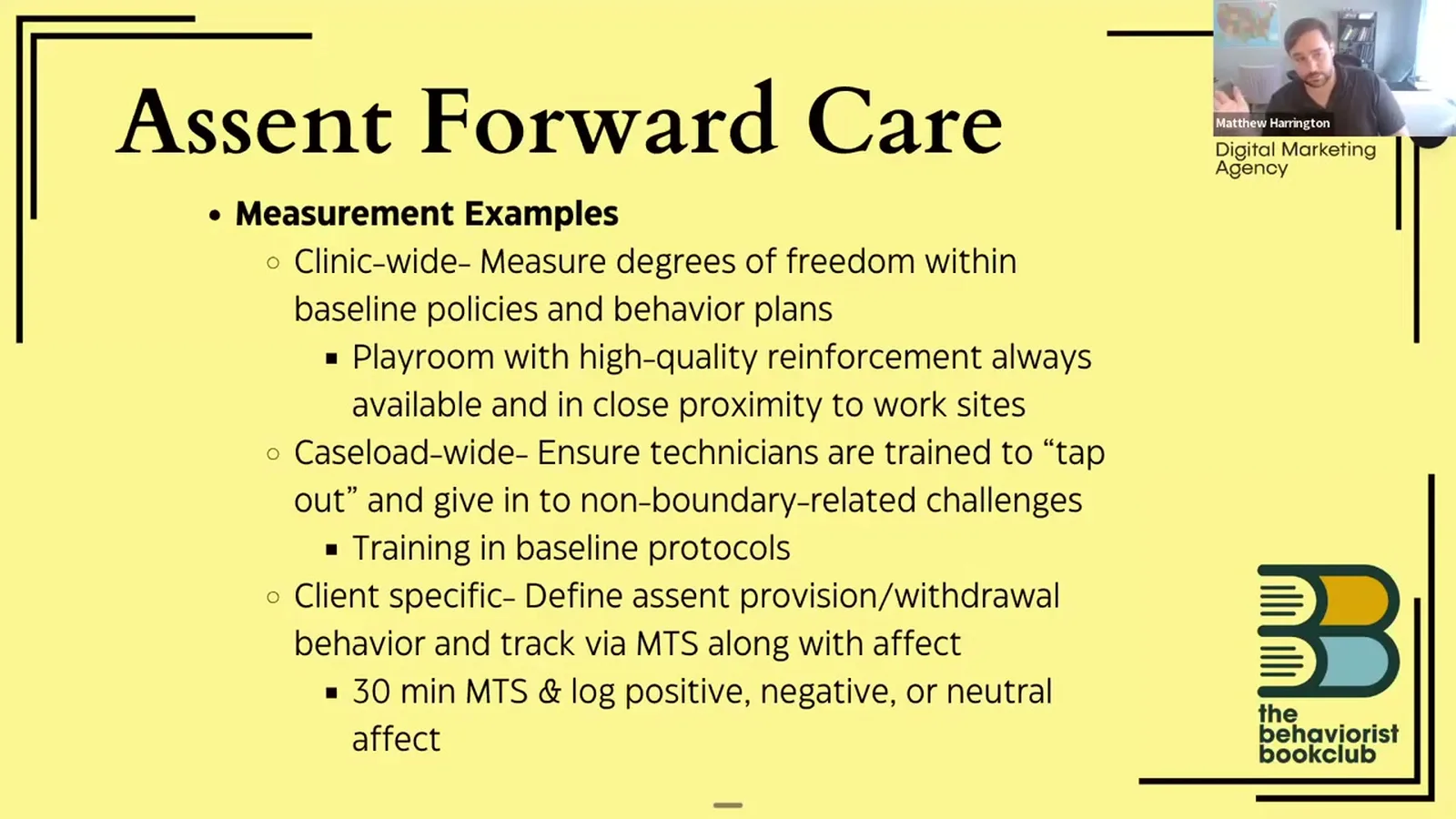

On this page · 8 sections▾
Behavioral artistry is the soft-skill side of good ABA work. It is how you connect with a person while you help them change. It covers warmth, timing, and the read of a room. It is the part of therapy that feels human, not just technical.
For BCBAs and RBTs, this matters more than it may seem. You can run a perfect plan and still lose the client's trust. Behavioral artistry keeps the relationship strong while the hard work happens. That trust is often what makes the plan actually work.
What behavioral artistry means#
The term can feel fuzzy. Matt Harrington offers a clear, plain way to define it. He ties it to rapport, which is the trust and good feeling between you and a client.
That pull back and forth is typically when we talk about behavioral artistry. To me, that is the most objective definition of it. Somebody who recognizes when rapport is being lost and works to rebuild it. From the talk — Matt Harrington
So artistry is not a vague vibe. It is a skill you can spot. You notice trust dropping. Then you act to build it back. That noticing and repairing is the heart of it.
The push and pull of good therapy#
Real growth asks a client to do hard things. Hard things can strain the relationship. A skilled clinician balances the strain with connection.
Push somebody to do something hard. Have fun with them. Right? Rebuild it back and forth. From the talk — Matt Harrington
This back and forth is a rhythm, not a one-time step. You do not build rapport once and forget it. You keep tending it, over and over. Push a little, then reconnect. Push again, then reconnect again.
That is why artistry is ongoing. Every hard demand spends a little trust. Every fun moment pays it back. The skill is keeping the balance so trust never runs dry.
Instinct that stays grounded in the data#
Some people call this a "behavior instinct." An RBT seems to just know when to change course. Harrington sees this instinct as the same idea as artistry.
He also gives a useful warning. Instinct is powerful, but it should not float free. It works best when it stays tied to the numbers behind behavior. In his view, the art and the data belong together, not apart.
That framing keeps artistry honest. It is not about charm for its own sake. It is skilled judgment that still lines up with what the data show. The best clinicians blend both.
It also protects against a real risk. Charm alone can hide weak clinical work. A warm provider who ignores the data may feel great but help little. Tying artistry to the numbers keeps the warmth in service of results. You stay both kind and effective.
Why it matters for outcomes#
 Advertisement
Warmth is not a nice extra. It shapes whether therapy works. A client who trusts you will try harder and stay longer. A client who feels pushed with no care may shut down.
Families notice this too. Parents can feel the difference between a warm provider and a cold one. That feeling shapes how much they buy into the plan at home. Buy-in at home often decides the outcome.
So artistry links directly to results. It is not fluff. It is a core part of effective, ethical practice.
Can behavioral artistry be taught?#
For a long time, people treated artistry as a gift. You either had it or you did not. New work pushes back on that idea. It suggests these skills can be trained like any other.
That is a big shift for the field. If artistry can be taught, then supervisors can build it on purpose. New RBTs do not have to hope they have the knack. They can learn the moves, practice them, and get better.
What behavioral artistry looks like in practice#
It helps to make artistry concrete. Picture an RBT running a hard demand. The child starts to slump and pull away. A skilled RBT sees this early. They lighten the mood before trust drops too far.
That might mean a quick joke or a short break. It might mean a small, easy win to reset the tone. Then they return to the hard work with the child still on board. None of this shows up in the written plan. It lives in the moment-to-moment read.
Artistry also shows in how you pace demands. Push too fast and the child shuts down. Move too slow and you waste the session. The artist finds the pace the child can handle today. That pace can shift from one day to the next.
Small things carry weight here. Your tone, your face, and your timing all matter. A warm greeting can set up the whole session. A rushed one can sink it. These tiny moves add up to trust.
What the research says#
Researchers have started to pin behavioral artistry down. One study surveyed parents of autistic children. It found that parents preferred therapists described with artistry traits, like care and creativity, over those without them (Callahan et al., 2019). This shows the skill has real social value to families.
Other studies show it can be taught. A team used a step-by-step method called the teaching interaction procedure. Three behavior technicians learned the parts of artistry and improved their skills (Bukszpan et al., 2023). A later study used the same method with special education teachers and saw the same kind of gains (Bukszpan et al., 2025). Together, these studies suggest artistry is a trainable set of behaviors, not just a lucky trait.
You can go deeper on the balance of skill and warmth in the talk The Math Behind Behavior Reduction.
FAQ#
What is behavioral artistry in ABA?
Behavioral artistry is the interpersonal skill of building and keeping trust while you help a client change. It includes noticing when rapport drops and working to rebuild it. It is the warm, human side of skilled behavior work.
Is behavioral artistry the same as rapport?
They are closely linked but not identical. Rapport is the trust between you and a client. Behavioral artistry is the skill of managing that trust, spotting when it fades, and repairing it during hard work.
Can you learn behavioral artistry?
Yes. Research suggests it can be taught with structured methods like the teaching interaction procedure. Behavior technicians and teachers have learned the core skills and improved. It is a trainable repertoire, not a fixed gift.
 Advertisement
Turn this topic into a CEU
You just studied this. Now get credit for it.
Watch Ethical Guardrails in Behavior Reduction with Matt Harrington and earn 1 free BCBA CEU. Detailed certificate, delivered the moment you finish.