Why Won’t They Go to Bed? A BCBA’s Guide to Effective Bedtime Routines
Presented by Lindsay Anderson
A predictable, calming bedtime routine is one of the most effective behavioral strategies for improving sleep, but it can often be difficult for families to implement. This presentation will break down the science behind effective bedtime routines, explore common barriers to consistency, and discuss how BCBAs can use behavioral principles to systematically teach the skills that make bedtime smoother. Attendees will leave with a clear framework for building individualized, evidence-based bedtime routines, along with actionable strategies and goals for teaching sleep-supporting skills during sessions and supporting caregivers at home.
Register free & watch nowCancel any time. Cert delivered to your inbox the moment you pass the quiz.
Learner ratings
from 27 learners
100% would recommend this CEU to other professionals in their field (13 responses)
“This was a very well presented and thorough course. I enjoyed watching it.”
— Andrew A.“Very informative”
— Tiffany B.“Interesting and prevalent topic!”
— Katelyn T.“Amazing! Research was discussed as well as lots of application info. Very informative!”
— Brittney H.
About this CEU
A predictable, calming bedtime routine is one of the most effective behavioral strategies for improving sleep, but it can often be difficult for families to implement. This presentation will break down the science behind effective bedtime routines, explore common barriers to consistency, and discuss how BCBAs can use behavioral principles to systematically teach the skills that make bedtime smoother. Attendees will leave with a clear framework for building individualized, evidence-based bedtime routines, along with actionable strategies and goals for teaching sleep-supporting skills during sessions and supporting caregivers at home.
What you'll learn
- 1Learning Objectives
- 21. Describe why effective bedtime routines improve sleep outcomes, including the impact of sleep latency, sensory regulation, and environmental cues.
- 32. Identify common barriers to successful bedtime routines and explain how these impact sleep readiness.
- 43. Develop individualized, evidence-based bedtime routines in conjunction with caregivers, using behavioral strategies.
Concepts in this CEU
Related talks
Talks that cover the same concepts
Why are they Waking up at 2 AM?
The Behaviorist Bookclub
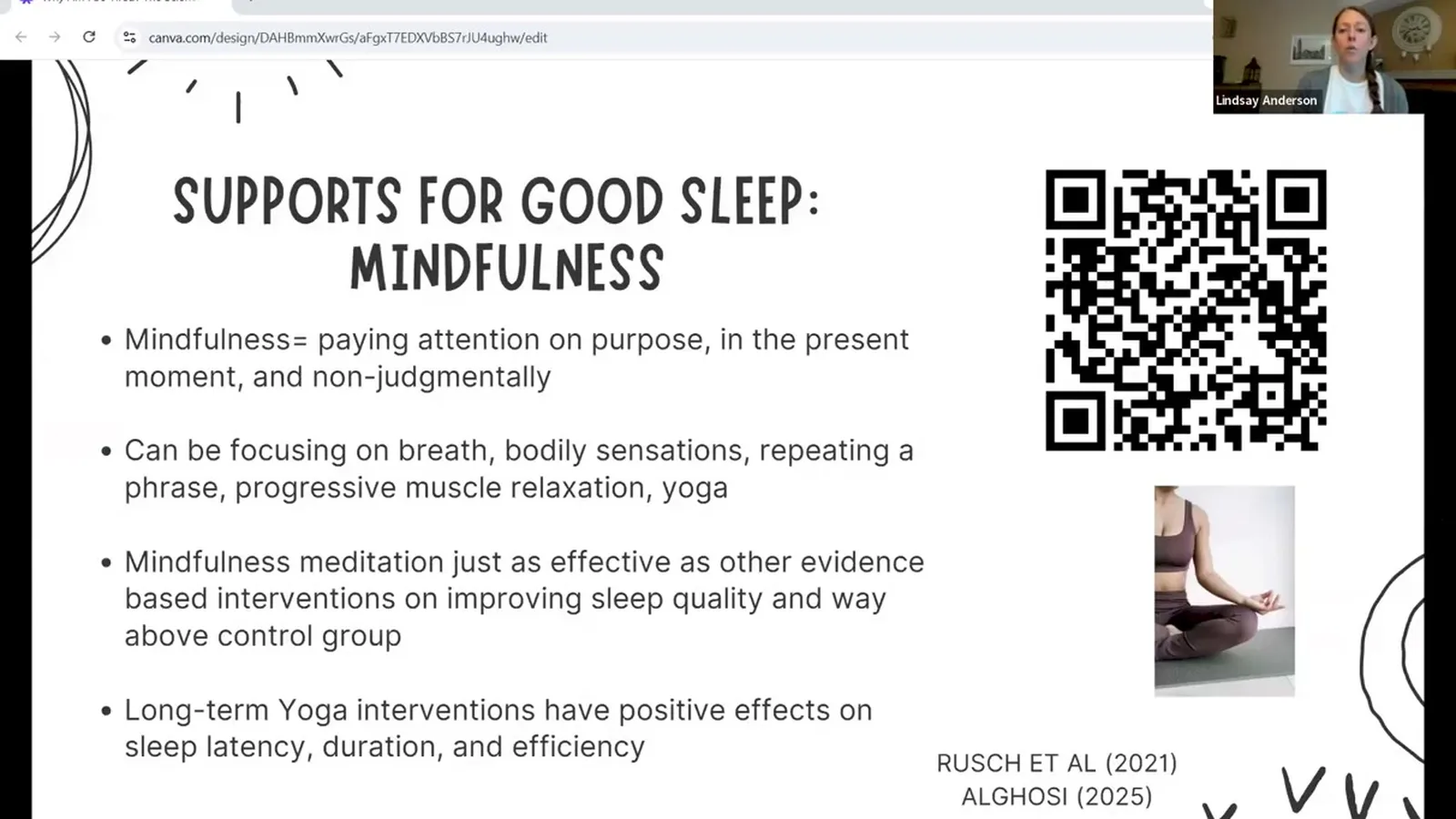
Why Am I So Tired? The Science of Sleep for BCBAs
The Behaviorist Bookclub

Compliance to Commitment: Seven Habits of the Highly Effective Caregiver Trainer
The Behaviorist Bookclub
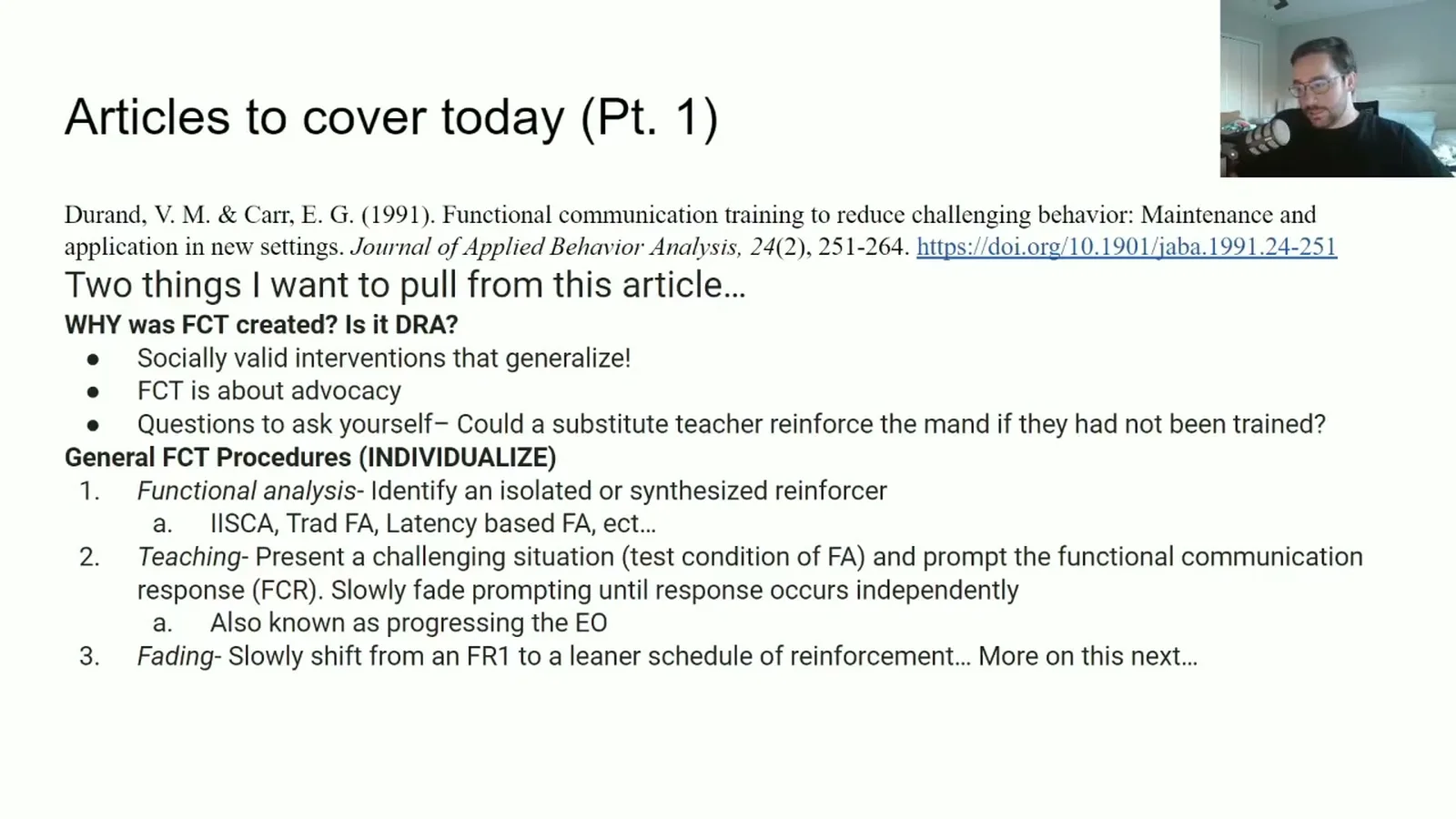
5 Days of Manding Mastery
The Behaviorist Bookclub
Is It Technical or Relational? A Framework for Pinpointing Caregiver Collaboration Breakdowns
Parenting with ABA

Child Development for BCBAs- Age 9-11
The Behaviorist Bookclub
More from The Behaviorist Bookclub

Empowering Autonomy and Self-Management in ADHD Learners
The Behaviorist Bookclub
Shaping Behavior Change when ADHD is in the Picture
The Behaviorist Bookclub
From Hours to Competence: Assessing and Developing Supervisee Skills
The Behaviorist Bookclub
OpenCEU is supported by advertising from third-party sponsors. Sponsors are clearly labeled, have no influence over course content, instructors, or CEU decisions, and never appear on certificates. The BACB does not sponsor, approve, or endorse OpenCEU sponsors or their products.