White Noise for Sleep: A BCBA's Guide
How BCBAs can use a white noise machine as a sleep cue and a sound mask, plus the 50-decibel safety limit and what the research says.
Key takeaway
White noise is a steady, even sound that blends many pitches together. A white noise machine plays it on a loop. Many parents use one to help a child fall asleep and stay asleep.
Explore free BCBA CEU courses
Free learning path on this topic
Supervision, Done Right
Four supervision CEUs that build on each other. What reflective supervision is, how to build a supervision system, how to assess supervisee competence instead of counting hours, and how supervision affects provider outcomes. The BACB asks supervisors for three supervision CEUs per cycle. This covers it.
Experts who cover this
The recording behind this guide covers white noise aba.
- 1 CEU
Why Won’t They Go to Bed? A BCBA’s Guide to Effective Bedtime Routines
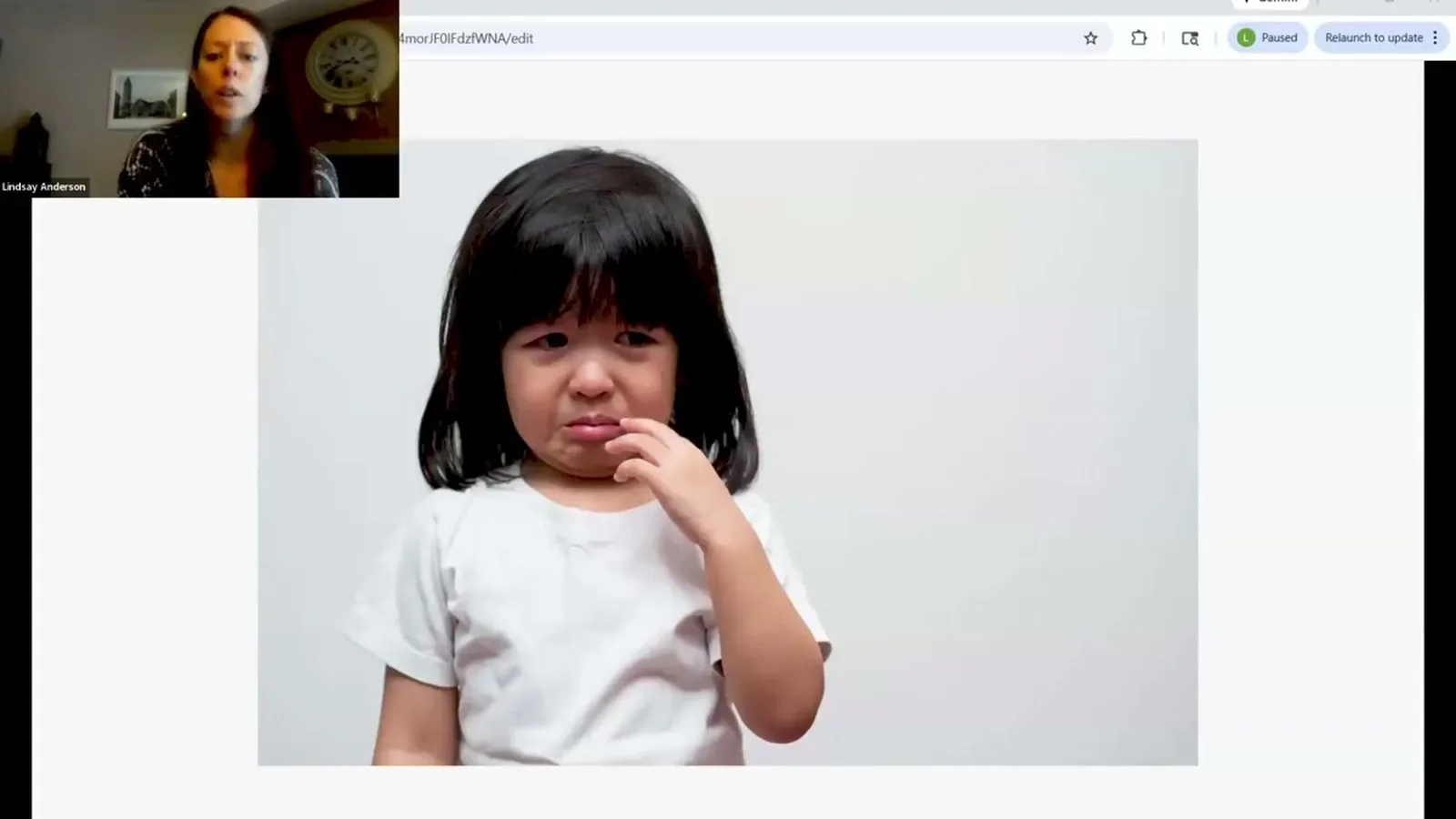
Lindsay AndersonThe Behaviorist Bookclub
Recommended to mask unavoidable household or street noise during the routine, with a caution to keep output under the American Academy of Pediatrics'…
On this page · 7 sections▾
White noise is a steady, even sound that blends many pitches together. A white noise machine plays it on a loop. Many parents use one to help a child fall asleep and stay asleep. It sounds like soft static, rain, or a fan.
For BCBAs and parents, white noise is more than background sound. Used the right way, it can become a strong cue for sleep. It can also block sudden noises that wake a child. This page explains both jobs and how to use them safely.
White noise as a sleep cue#
One powerful use of white noise is as a signal for sleep. In ABA terms, this is a discriminative stimulus, or SD. An SD is a cue that tells the brain a certain behavior fits right now. Here, the sound says, "It is time to sleep."
a white noise machine... I find it more valuable as an SD. Using a white noise machine... if you turn it on as the very last step of the nighttime routine, and you turn it off as the very first step of your wake-up routine, you have created a very salient and strong SD for sleep. From the talk — Dr. Emily Ice
The trick is timing. Turn the machine on last, after every other bedtime step. Turn it off first thing in the morning. Over time, the sound and sleep get linked tightly together.
White noise as a sound mask#
White noise also helps by hiding other sounds. It raises the steady sound level in the room. A sudden noise then stands out much less against that background.
what a white noise machine does is it increases the baseline noise level. So the reason noise wakes us up in the middle of the night is because of the differential from the baseline. From the talk — Dr. Emily Ice
This matters most in loud settings. A busy street or a full house can create noises you cannot control. A machine that runs all night can smooth over those bumps.
if there are noises that can't be avoided like living on a busy street or maybe in a big household we might want to consider using a white noise machine that stays on all night to block out these sounds From the talk — Lindsay Anderson
Keep the volume safe#
 Advertisement
White noise helps only when the volume stays safe. Too much sound over many hours can harm a child's hearing. There is a clear limit to respect.
one important consideration with white noise machines is definitely to measure the decibel levels according to the American Academy of Pediatrics anything over 50 decibels for an extended period of time can be dangerous to hearing From the talk — Lindsay Anderson
A decibel is a unit that measures how loud a sound is. Keep the machine under 50 decibels for all-night use. Place it away from the child's bed, not right beside the ear. A cheap decibel app can help you check the level.
Putting the two uses together#
The cue use and the mask use can work at the same time. You can start the machine as your final bedtime step. Then let it run all night to block street or house noise.
Just plan both goals on purpose. Set the timing so the sound cues sleep. Set the volume so it masks noise without going too loud. The same small machine then does two helpful jobs. You can hear more on building the routine around it in Why Won't They Go to Bed? A BCBA's Guide to Effective Bedtime Routines.
Common mistakes to avoid#
Even a helpful tool can be used the wrong way. One mistake is turning the machine off too soon. If it stops in the middle of the night, the sleep cue is lost. Keep it running until the wake-up routine begins.
Another mistake is placing it too close to the child. Sound is louder right next to the ear than across the room. Move the machine to a shelf or wall a few feet away. That keeps the volume safe over many hours.
A third mistake is using it as the only sleep step. White noise works best inside a full bedtime routine. Pair it with a calm, steady set of steps each night. The sound then adds to the cue, instead of doing all the work.
What the research says#
Research on white noise is mixed, and effects depend on the goal. One study looked at children with ADHD doing schoolwork. White noise through headphones lowered off-task behavior compared to no noise. But it did not clearly change how much work they finished correctly (Effects of white noise on off-task behavior and academic responding for children with ADHD).
White noise is not always the best sound for every goal. One study tested three sounds to reduce vocal stereotypy in children with autism. Music worked better than white noise and earned the highest parent ratings (Effects of three types of noncontingent auditory stimulation on vocal stereotypy in children with autism). So the right sound depends on the child and the goal.
Sound can also be processed in unusual ways for some autistic children. One brain-imaging study used tones built from white noise. It found atypical responses to pitch in some autistic children (Brief report: atypical neuromagnetic responses to illusory auditory pitch in children with autism spectrum disorders). This is a good reminder to watch how each child reacts to any new sound.
FAQ#
Is white noise safe for babies and children?
White noise can be safe when the volume stays low. The American Academy of Pediatrics warns that over 50 decibels for a long time can hurt hearing. Keep the machine under that level. Place it across the room, not next to the child's head.
Should the white noise machine stay on all night?
It can, and that is often the point. Running it all night keeps a steady sound that masks sudden noises. It also holds the sleep cue in place until morning. Just make sure the all-night volume is safe.
How does white noise help someone fall asleep?
It works in two ways. First, it can act as a cue that tells the brain sleep is coming. Second, it raises the baseline sound so stray noises stand out less. Together these help a person drift off and stay asleep.
 Advertisement
Keep learning
Earn free BCBA CEUs on openceu
Browse on-demand recordings from verified ACE providers and earn CEUs across autism, ABA, and behavior analysis. Detailed certificate, delivered the moment you finish.
Keep going with a free learning path
Supervision, Done Right
Four supervision CEUs that build on each other. What reflective supervision is, how to build a supervision system, how to assess supervisee competence instead of counting hours, and how supervision affects provider outcomes. The BACB asks supervisors for three supervision CEUs per cycle. This covers it.
Parent or caregiver? Find a vetted ABA provider near you on ProviderSpark.