Sleep Pressure: Why Wake Windows Decide Bedtime
A plain guide to sleep pressure in ABA. Learn how the drive to sleep builds with time awake, why naps reset it, and how to time bedtime.
Key takeaway
Sleep pressure is the body's drive to sleep. It builds up the longer we stay awake. By the end of a long day, that pressure is high, and sleep comes easily.

Why are they Waking up at 2 AM?
Free learning path on this topic
Supervision, Done Right
Four supervision CEUs that build on each other. What reflective supervision is, how to build a supervision system, how to assess supervisee competence instead of counting hours, and how supervision affects provider outcomes. The BACB asks supervisors for three supervision CEUs per cycle. This covers it.
Experts who cover this
2 recordings on openceu cover sleep pressure.
- Featured talk1 CEU
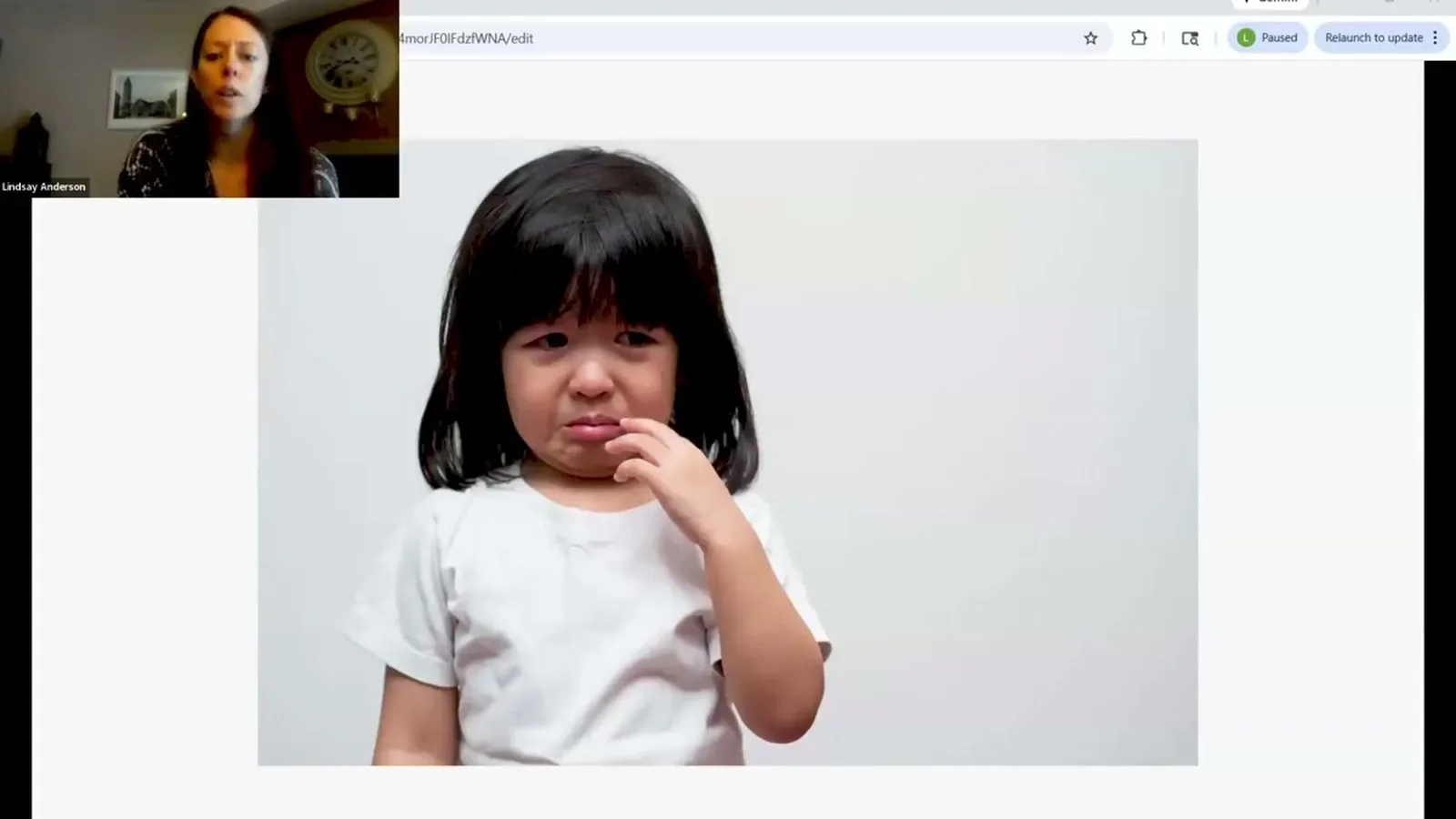
Why are they Waking up at 2 AM?
Lindsay AndersonThe Behaviorist Bookclub
Explains sleep pressure as a homeostatic drive that builds with time awake, and how late or accidental naps ("sleep stealers") can reset it and delay bedtime.
- 1 CEU
Why Won’t They Go to Bed? A BCBA’s Guide to Effective Bedtime Routines
Lindsay AndersonThe Behaviorist Bookclub
Explained as the buildup of pressure to sleep the longer a child is awake, which accumulates much faster in young children (a 2-year-old within about 4 hours)…

On this page · 7 sections▾
Sleep pressure is the body's drive to sleep. It builds up the longer we stay awake. By the end of a long day, that pressure is high, and sleep comes easily. This drive is also called homeostatic sleep pressure.
Understanding sleep pressure changes how you set bedtime. A child put to bed too early has low pressure. They will lie awake and fight sleep. For BCBAs, RBTs, teachers, and parents, timing sleep to match this drive is the key to smooth bedtimes.
What sleep pressure is#
Think of sleep pressure like a bucket that fills all day. The longer the child is awake, the more it fills. Once the bucket is full enough, the body is ready to sleep. Lindsay Anderson describes it simply.
kids will need a certain amount of sleep pressure in order to fall asleep. And this sleep pressure builds up in our brains the longer that we're awake. From the talk — Lindsay Anderson
She names the science behind it too. Naps and wake times shape this whole system.
naps are a major factor that are going to have an impact on the sleep schedule due to something called homeostatic sleep pressure. So this means that the longer we're awake, the more sleep pressure builds up in our brains, making us more likely to fall asleep. From the talk — Lindsay Anderson
Sleep pressure builds at different speeds by age#
Young kids fill the bucket fast. Older kids take longer. This is why wake windows change so much as children grow. Anderson gives a clear example for a toddler.
in younger kids, sleep pressure accumulates very quickly. So as you can see on the graph, a 2-year-old might be tired again after about 4 hours or so From the talk — Lindsay Anderson
An older child is very different. Their bucket fills slowly, so they can stay up much longer.
if we look at a 5-year-old on the graph, they may not build up that sleep pressure for like 6 or 7 hours. So that means if we try to put them to bed before they've been awake for that long, it'll likely take them a very long time to fall asleep From the talk — Lindsay Anderson
The lesson is to match bedtime to the child's age and wake window. A 5-year-old put to bed too soon will just lie there. The problem is not the child. The problem is that the drive to sleep has not built up yet.
How naps can reset the drive#
 Advertisement
Naps are helpful when timed right. But a nap late in the day drains the bucket. The child then has little pressure left for bedtime. Anderson calls these late naps a common trap.
an older kid taking a nap or even a younger child where a nap is developmentally appropriate, but they're napping too late in the day can be enough for some kids to really reset that sleep pressure and push bedtime way later. From the talk — Lindsay Anderson
So the fix is often about nap timing, not just bedtime. Move naps earlier. For older kids, drop the nap that no longer fits. Watch for the accidental car nap at 5 PM. That short sleep can wreck the whole night.
Using sleep pressure to plan the day#
You can turn this into a simple plan. First, learn the child's wake window for their age. Then count forward from the last wake or nap. Set bedtime when the bucket should be full.
This is why a set clock time is not enough. Two kids the same age can need different bedtimes. It all depends on when they last slept and how fast their pressure builds. Track the day, not just the clock. A child who napped late needs a later bedtime that night.
Protect the wake window before bed. Keep the child active and in bright light during the day. Avoid late naps that steal the drive. When pressure is high at bedtime, the child falls asleep fast and stays asleep longer.
Adjust as the child grows. Wake windows stretch year by year. A plan that fit last year may be too tight now. Watch for signs the child is not tired at bedtime. Long fall-asleep times often mean the wake window needs to grow.
Common sleep pressure mistakes#
A few simple errors throw off the whole plan. The first is bedtime too early. Parents set an early bedtime hoping for more sleep. But if the drive is low, the child just lies awake and fights it.
The second is the late nap. A nap that ends close to bedtime drains the bucket. The child then has little pressure left. This is where the accidental car nap does real harm.
The third is a wake window that ignores age. A toddler and a 5-year-old need very different timing. Using one bedtime for both sets one child up to struggle. Match the plan to the child in front of you. When you get the timing right, sleep comes fast and stays.
What the research says#
Sleep pressure is not just a behavior idea. It shows up in brain data too. One study used sleep recordings with young people who have Williams syndrome. They had less total sleep and more broken sleep than peers (Atypical sleep architecture and altered EEG spectra in Williams syndrome).
The brain wave patterns pointed to raised sleep pressure in this group. This tells us the drive to sleep is a real, measurable body system. It is shaped by biology, not only by habits. That is why timing bedtime to this drive works so well in practice.
FAQ#
What is sleep pressure in simple words? It is the body's growing need for sleep. It builds the longer you stay awake, like a bucket filling up. When it is full enough, the body is ready to fall asleep.
Why does my child fight bedtime but crash later? Bedtime may come before sleep pressure is high enough. The child lies awake because the drive to sleep is still low. Later, once enough time has passed, the pressure peaks and sleep hits hard.
Do naps hurt or help night sleep? Well-timed naps help. But a nap too late in the day drains sleep pressure. That makes bedtime much harder. Keep naps earlier and watch for accidental late-day naps.
To dig into nap timing and full bedtime routines, watch Why Won’t They Go to Bed? A BCBA’s Guide to Effective Bedtime Routines with Lindsay Anderson.
 Advertisement
Turn this topic into a CEU
You just studied this. Now get credit for it.
Watch Why are they Waking up at 2 AM? with Lindsay Anderson and earn 1 free BCBA CEU. Detailed certificate, delivered the moment you finish.
Keep going with a free learning path
Supervision, Done Right
Four supervision CEUs that build on each other. What reflective supervision is, how to build a supervision system, how to assess supervisee competence instead of counting hours, and how supervision affects provider outcomes. The BACB asks supervisors for three supervision CEUs per cycle. This covers it.
Parent or caregiver? Find a vetted ABA provider near you on ProviderSpark.