Bedtime Resistance in ABA: Why Kids Fight Sleep
Bedtime resistance is when a child stalls, cries, or refuses to stay in bed. Learn what drives it and how BCBAs help families set limits.
Key takeaway
Bedtime resistance is when a child fights going to sleep. They stall, cry, or climb out of bed. They may call out again and again for one more thing.
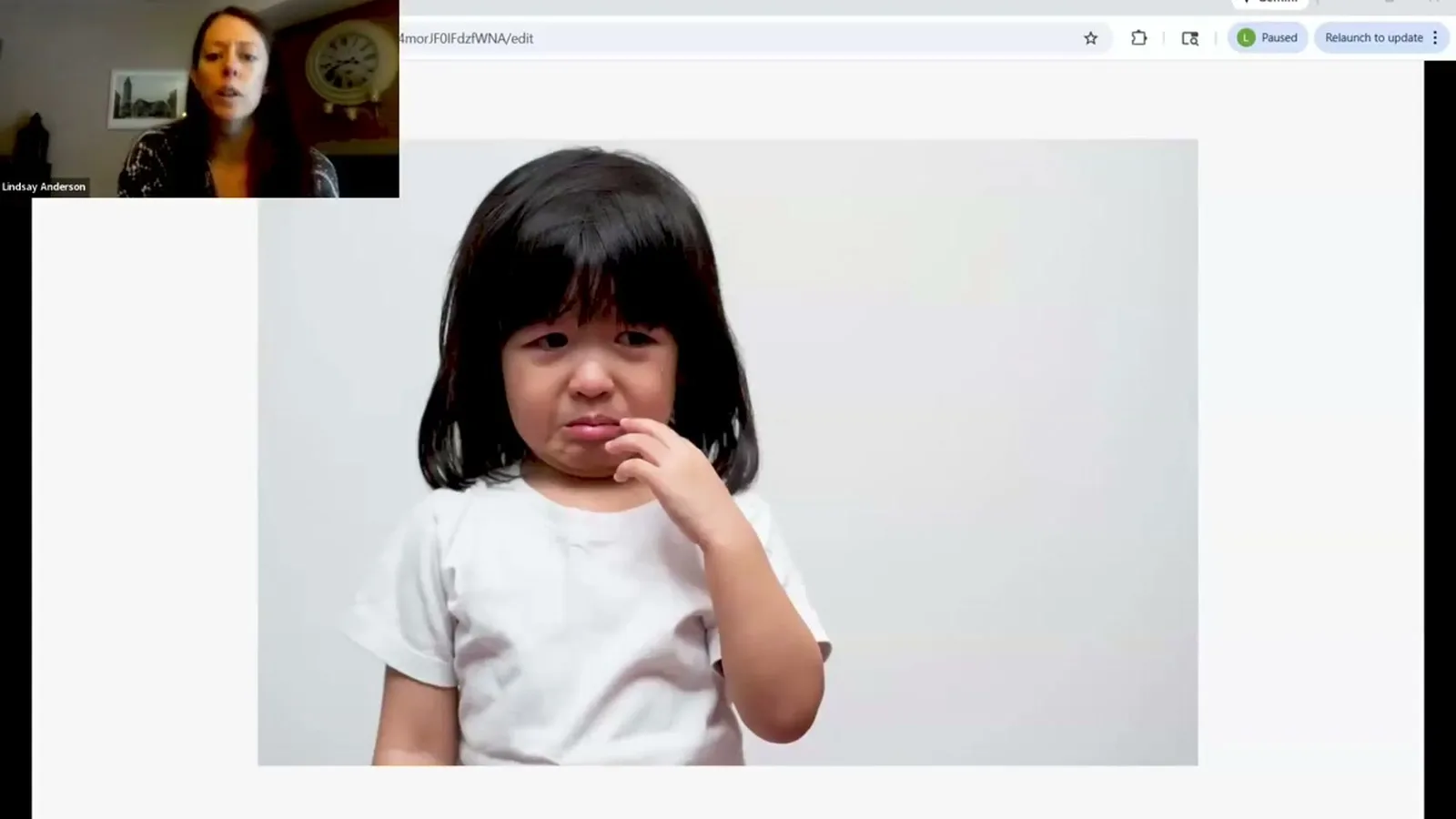
Why Won’t They Go to Bed? A BCBA’s Guide to Effective Bedtime Routines
Free learning path on this topic
Supervision, Done Right
Four supervision CEUs that build on each other. What reflective supervision is, how to build a supervision system, how to assess supervisee competence instead of counting hours, and how supervision affects provider outcomes. The BACB asks supervisors for three supervision CEUs per cycle. This covers it.
Experts who cover this
The recording behind this guide covers bedtime resistance.
- Featured talk1 CEU
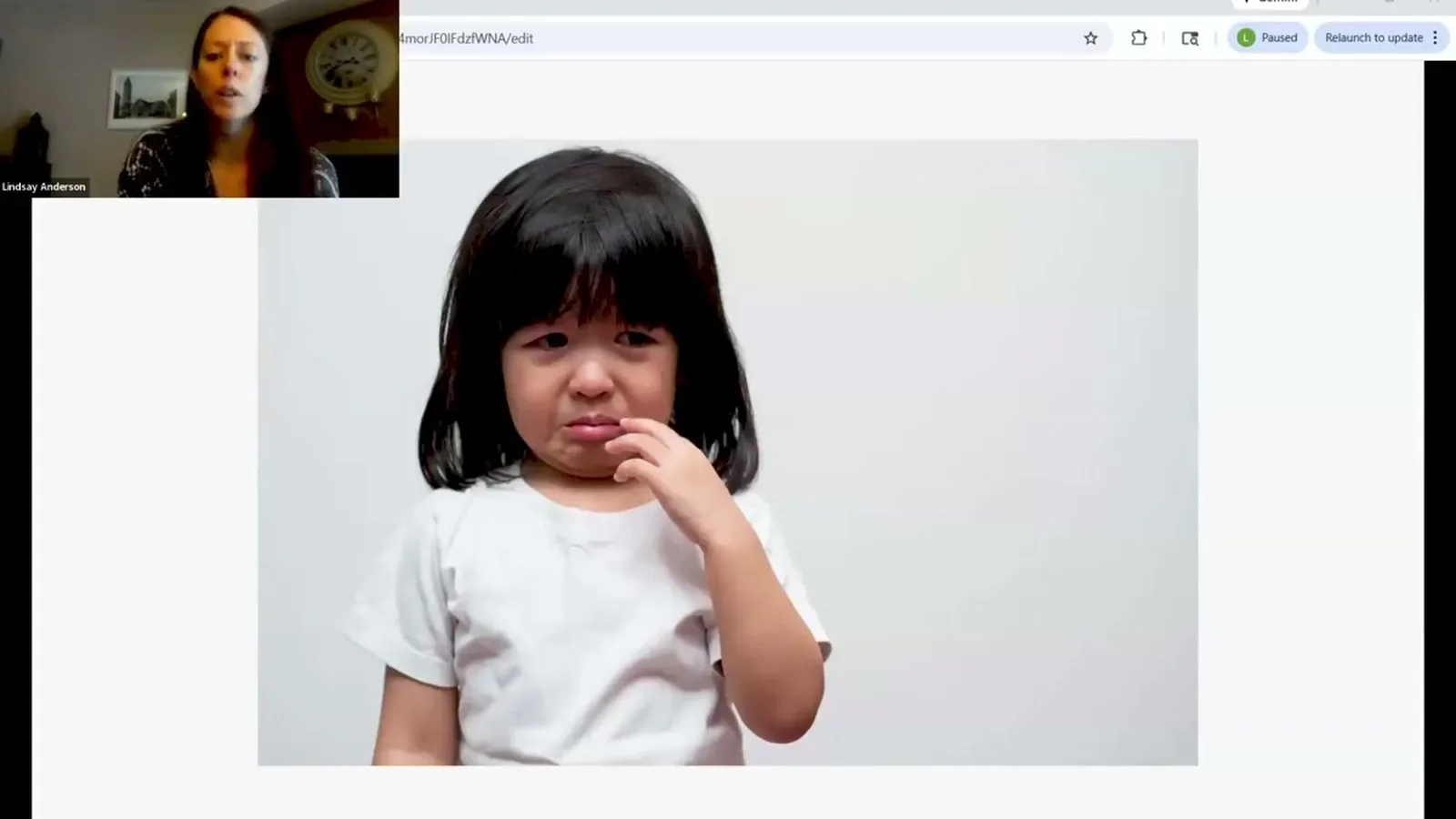
Why Won’t They Go to Bed? A BCBA’s Guide to Effective Bedtime Routines
Lindsay AndersonThe Behaviorist Bookclub
The talk's central problem: a limit-setting subtype of childhood insomnia covering stalling, protests, crying, clinging, curtain calls, and refusal to stay in…
On this page · 8 sections▾
Bedtime resistance is when a child fights going to sleep. They stall, cry, or climb out of bed. They may call out again and again for one more thing. It is one of the most common sleep struggles parents face.
For BCBAs, RBTs, and families, this matters a lot. Poor sleep makes the next day harder. A tired child often has more meltdowns and less focus. When you help a family fix bedtime, you help the whole day get better.
What bedtime resistance looks like#
Bedtime resistance is not just one behavior. It is a whole cluster of them. Lindsay Anderson lists what it can include.
bedtime resistance is usually seen in children over two years old. And it can encompass a bunch of different behaviors, including stalling, verbal protests, crying, clinging to caregivers, refusing to go to bed, getting out of bed, attention-seeking behaviors, and making these multiple curtain calls From the talk — Lindsay Anderson
A "curtain call" is when the child keeps coming back out. They ask for water, a hug, or one more story. Each return delays sleep a little more. Over time, this can push bedtime very late.
Why it happens: the limit-setting type#
Sleep doctors sort childhood insomnia into types. Bedtime resistance falls into one clear group.
bedtime resistance falls under the limit-setting subtype. So this means that parents are having a hard time with setting limits around bedtime, like sticking to a regular sleep schedule, setting a consistent bedtime routine, and following through on that set bedtime. From the talk — Lindsay Anderson
Notice the focus here. The problem is not a bad kid. It is a routine that keeps bending. When limits shift each night, the child learns to push. Each extra hug or later bedtime rewards the pushing.
This is good news for behavior work. If shaky limits feed the problem, steady limits can fix it. That is a skill families can learn.
Why this hits autistic kids hard#
Sleep problems are far more common in autism. That makes bedtime resistance a frequent concern in ABA.
sleep problems in the ASD population are extremely common. Some recent studies have shown that as many as 80% of children with ASD are affected by clinical sleep problems. From the talk — Lindsay Anderson
Eighty percent is a huge share. So most families you serve may face some sleep trouble. Bedtime resistance is often part of that picture. Asking about sleep should be a regular habit, not a rare one.
How BCBAs help families hold the line#
 Advertisement
The fix starts with a steady routine. Pick a set bedtime. Build the same short set of calm steps each night. Bath, teeth, story, lights out, done. Sameness helps the body wind down.
The harder part is following through. Parents must hold the limit even when the child protests. That does not mean being cold. It means being kind and firm at the same time. You say goodnight with love, then you keep the plan.
Coaching parents is key. Many parents give in because the crying is hard to hear. Teach them what to expect. Warn them that protests may spike before they fade. With support, most families can stay the course.
What to expect when the fix begins#
Change can get worse before it gets better. This surprises many parents. When you first hold a firm bedtime, the protests may grow. The child pushes harder to get the old response back.
That spike is normal. It often means the plan is working. The child is testing whether the new limit is real. If parents hold steady, the protests fade over days or weeks.
Warn families about this ahead of time. If they expect the spike, they are less likely to give up. A parent who quits mid-spike can make things worse. The child learns that pushing harder still wins.
Small wins help too. Track bedtime each night and share the trend. Even a ten-minute drop in stalling is progress worth naming. Progress keeps parents going.
Common traps that keep it going#
A few habits quietly feed bedtime resistance. Spot them early so you can guide families around them.
The first is a moving bedtime. When lights-out shifts by an hour each night, the body never settles. A fixed time is the fix.
The second is giving in to curtain calls. Each extra drink or hug rewards the return. It teaches the child that coming out pays off. A calm, boring, brief response works better.
The third is a busy hour before bed. Screens and rough play wind a child up. A calm, dim, quiet routine winds them down instead.
One last check matters too. Bedtime resistance can travel with other problems. A child may also wake at night or wake too early. Some children snore, which points to a breathing issue.
Screen for the full picture before you plan. If a medical red flag shows up, refer to a doctor. Behavior plans work best once real medical causes are ruled out.
What the research says#
Bedtime resistance shows up often in studies of kids with genetic and developmental conditions. One trial tested the drug metformin in children with Fragile X Syndrome. It found a real drop in sleep problems, and bedtime resistance improved in particular (Zhu et al., 2025). This hints that the biology of sleep can play a part, not just the routine.
That does not replace good behavior work. It means the causes can be mixed. A strong bedtime routine plus a medical review gives the child the best shot at rest.
Bedtime resistance also shows up across many groups of children. Studies report it in kids with autism, Down syndrome, and Fragile X. That wide reach is a reminder to ask about sleep with every family. A quick question can surface a problem no one had named.
FAQ#
At what age does bedtime resistance start?
It is usually seen in children over two years old. Younger babies have different sleep patterns. Once a toddler can protest and climb out of bed, resistance tends to appear. It can last into the school years without support.
How do you stop bedtime resistance?
Set a fixed bedtime and a short, calm routine you repeat each night. Then follow through, even when the child protests. Stay warm but firm. Coaching from a BCBA helps parents hold the limit until the pushing fades.
Is bedtime resistance a sign of autism?
Not by itself. Many typical kids resist bedtime too. But sleep problems, including bedtime resistance, are very common in autism. If a child has other signs, a sleep struggle is worth mentioning during an assessment.
Want the full plan? Watch Why Won’t They Go to Bed? A BCBA’s Guide to Effective Bedtime Routines. It walks through the fix step by step.
 Advertisement
Turn this topic into a CEU
You just studied this. Now get credit for it.
Watch Why Won’t They Go to Bed? A BCBA’s Guide to Effective Bedtime Routines with Lindsay Anderson and earn 1 free BCBA CEU. Detailed certificate, delivered the moment you finish.
Keep going with a free learning path
Supervision, Done Right
Four supervision CEUs that build on each other. What reflective supervision is, how to build a supervision system, how to assess supervisee competence instead of counting hours, and how supervision affects provider outcomes. The BACB asks supervisors for three supervision CEUs per cycle. This covers it.
Parent or caregiver? Find a vetted ABA provider near you on ProviderSpark.