Faded Bedtime: A Gentle Fix for Bedtime Battles
Faded bedtime shifts sleep time later to build sleep drive, then moves it earlier in small steps. Learn how BCBAs use it for kids who fight sleep.
Key takeaway
Faded bedtime is a sleep plan that works with the body, not against it. You move bedtime later at first so the child is very tired.
Explore free BCBA CEU courses
Free learning path on this topic
Supervision, Done Right
Four supervision CEUs that build on each other. What reflective supervision is, how to build a supervision system, how to assess supervisee competence instead of counting hours, and how supervision affects provider outcomes. The BACB asks supervisors for three supervision CEUs per cycle. This covers it.
Experts who cover this
The recording behind this guide covers faded bedtime.
- 1 CEU
Why Won’t They Go to Bed? A BCBA’s Guide to Effective Bedtime Routines
Lindsay AndersonThe Behaviorist Bookclub
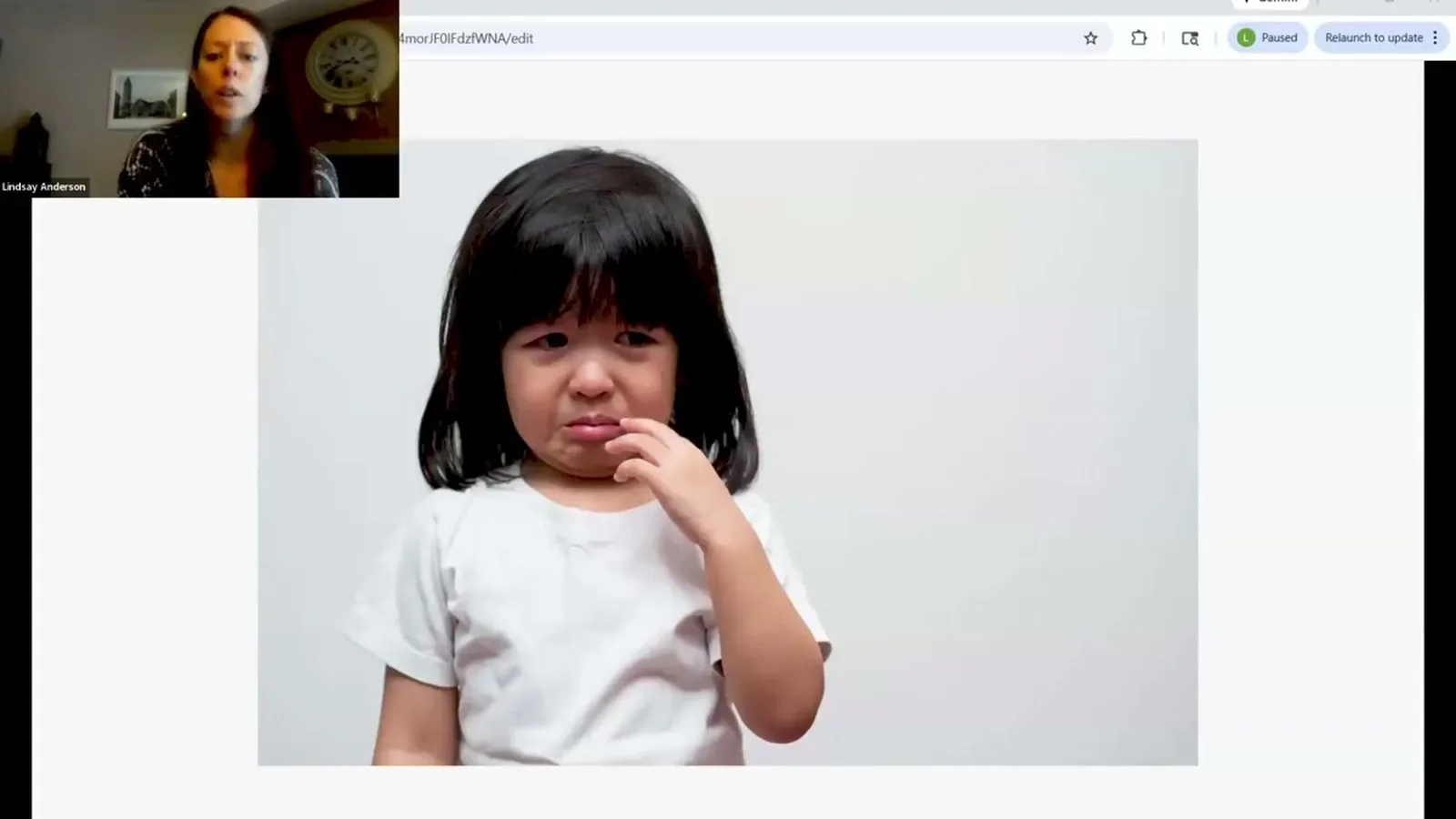
Presented as the fix when a child is put to bed before they are tired: start bedtime near the time the child naturally falls asleep, then shift 15 minutes…
On this page · 7 sections▾
Faded bedtime is a sleep plan that works with the body, not against it. You move bedtime later at first so the child is very tired. A tired child falls asleep fast. Then you shift bedtime earlier in small steps over many nights.
The method fixes a common mistake. Many children are put to bed before they are sleepy. Then they lie awake, get upset, and fight sleep. BCBAs, RBTs, and parents can use faded bedtime to break that cycle. This page explains how it works and how to run it.
Building sleep drive first#
Faded bedtime starts by making sleep more valuable. This uses the establishing operation, the setup that raises sleep drive. When a child is more tired, sleep is a stronger reward. Dr. Emily Ice describes the first move.
faded bedtime is looking at that EO component. We are looking at what is the baseline bedtime?... on night one, you're going to push it a little later because now they're even more tired and that means that the strength of sleep is higher. From the talk — Dr. Emily Ice
So the plan may feel backward at first. You delay bedtime on purpose. A later start means a sleepier child. A sleepier child falls asleep quickly, which is the whole goal.
Lindsay Anderson explains the same first step in plain terms. You match bedtime to when the child really falls asleep now.
for that child, we want to recommend a faded bedtime procedure by putting them to bed close to the time that they're usually falling asleep, so 9.30 or even a little bit later instead of 8 o'clock, with that goal of really getting them to fall asleep as quickly as possible. From the talk — Lindsay Anderson
Fading the time earlier#
Once the child falls asleep fast, you start to fade. Fading means moving bedtime earlier by small amounts. You only move earlier after a success. Dr. Ice gives a clear example.
Once they've hit their goal of falling asleep within the goal period, then now instead of 11, you're going to bring it back to 1030. From the talk — Dr. Emily Ice
The rule is simple and data-based. A fast sleep earns an earlier bedtime the next night. A slow sleep means you hold or push later again. Anderson lays out both directions.
once the child is falling asleep quickly, within about 15 minutes or so, the next night we can start moving the bedtime earlier by 15 minutes. If the child doesn't fall asleep quickly, the next night we can push bedtime later by 15 minutes to build up more of that sleep pressure. From the talk — Lindsay Anderson
This back-and-forth keeps the plan fair to the child. You never force an early bedtime the body cannot meet. You let the data guide each night's start time.
Small steps work best#
 Advertisement
The size of each step matters. Big jumps can undo your progress fast. Dr. Ice favors gentle moves. She finds that many of the learners she works with do much better with a 15 minute fade.
A 15 to 30 minute step is common. Small moves keep sleep coming quickly. Quick sleep keeps the plan feeling like a win. Wins keep the child and family on board.
Anderson treats the whole thing like shaping tolerance. Shaping means building a skill in small, rising steps. She starts slow, then speeds up near the goal.
Whenever I've done faded bedtime, it's been a, I always treat it as if I'm shaping toleration for anything, meaning that I go slower at the beginning and then increase velocity towards when I'm getting closer. From the talk — Lindsay Anderson
When to use it#
Faded bedtime fits the child who lies awake and fights sleep. It helps most when the current bedtime is too early. It also helps with night wakings and bedtime resistance. The plan resets the link between bed and quick sleep.
It is a gentle option compared to some sleep methods. It does not rely on leaving a child to cry for long. It works with the body's own sleep pressure. That makes it easier for tired parents to keep up. You can hear a full routine walk-through in Why Won't They Go to Bed? A BCBA's Guide to Effective Bedtime Routines.
What the research says#
Faded bedtime has solid support for children with autism. One study had parents run bedtime fading at home (Delemere & Dounavi, 2017). It increased total sleep and cut the time to fall asleep. Parents were able to carry out the plan themselves.
The method has a long history in the research. Early work paired faded bedtime with a response cost step for severe sleep problems. In that version, a child who did not fall asleep fast was taken out of bed for a set time. Those studies reduced night wakings and improved sleep for children with developmental delays.
Later work replicated the approach in the home. One replication used parents as therapists with a young child. The child's multiple sleep problems improved after treatment. Together, these studies show faded bedtime can travel from the clinic into real family life.
Tips for running it well#
Data makes or breaks a faded bedtime plan. Track when the child goes to bed each night. Track how long it takes them to fall asleep. Those two numbers guide your next move.
Keep the goal window clear and simple. Decide what "fast" sleep means, like within 15 minutes. A night inside that window earns an earlier bedtime. A night outside it means you hold or push later.
Protect the wake-up time too. A steady wake time keeps sleep drive strong. Let the child sleep in and you weaken the plan. Consistent mornings support consistent nights.
Coach the family before you start. Warn them the first nights may feel late. Explain that a tired child is the point. When parents know the plan, they stick with it.
FAQ#
How does faded bedtime work?
You first set bedtime near when the child truly falls asleep now. That builds sleep pressure so sleep comes fast. After quick sleep, you move bedtime earlier by 15 to 30 minutes. You keep fading earlier until you reach the target bedtime.
Is faded bedtime the same as bedtime fading?
Yes, the two names mean the same procedure. Some versions add a response cost step for slow nights. That step removes the child from bed for a set time. The core idea is the same: build sleep drive, then fade earlier.
How long does faded bedtime take to work?
It varies by child and by how far bedtime must move. Small 15-minute steps take more nights but feel easier. You only move earlier after a fast sleep, so pace depends on progress. Many families see quicker sleep onset within the first week or two.
 Advertisement
Keep learning
Earn free BCBA CEUs on openceu
Browse on-demand recordings from verified ACE providers and earn CEUs across autism, ABA, and behavior analysis. Detailed certificate, delivered the moment you finish.
Keep going with a free learning path
Supervision, Done Right
Four supervision CEUs that build on each other. What reflective supervision is, how to build a supervision system, how to assess supervisee competence instead of counting hours, and how supervision affects provider outcomes. The BACB asks supervisors for three supervision CEUs per cycle. This covers it.
Parent or caregiver? Find a vetted ABA provider near you on ProviderSpark.