Circadian Rhythm and Sleep: A BCBA's Guide
How the circadian rhythm sets sleep and waking, why teens shift later, and how light helps. Practical sleep support for BCBAs, teachers, and parents.
Key takeaway
The circadian rhythm is your body's internal clock. It runs on about a 24-hour cycle. It tells you when to feel alert and when to feel sleepy.
Explore free BCBA CEU courses
Free learning path on this topic
Supervision, Done Right
Four supervision CEUs that build on each other. What reflective supervision is, how to build a supervision system, how to assess supervisee competence instead of counting hours, and how supervision affects provider outcomes. The BACB asks supervisors for three supervision CEUs per cycle. This covers it.
Experts who cover this
2 recordings on openceu cover circadian rhythm aba.
- 1 CEU
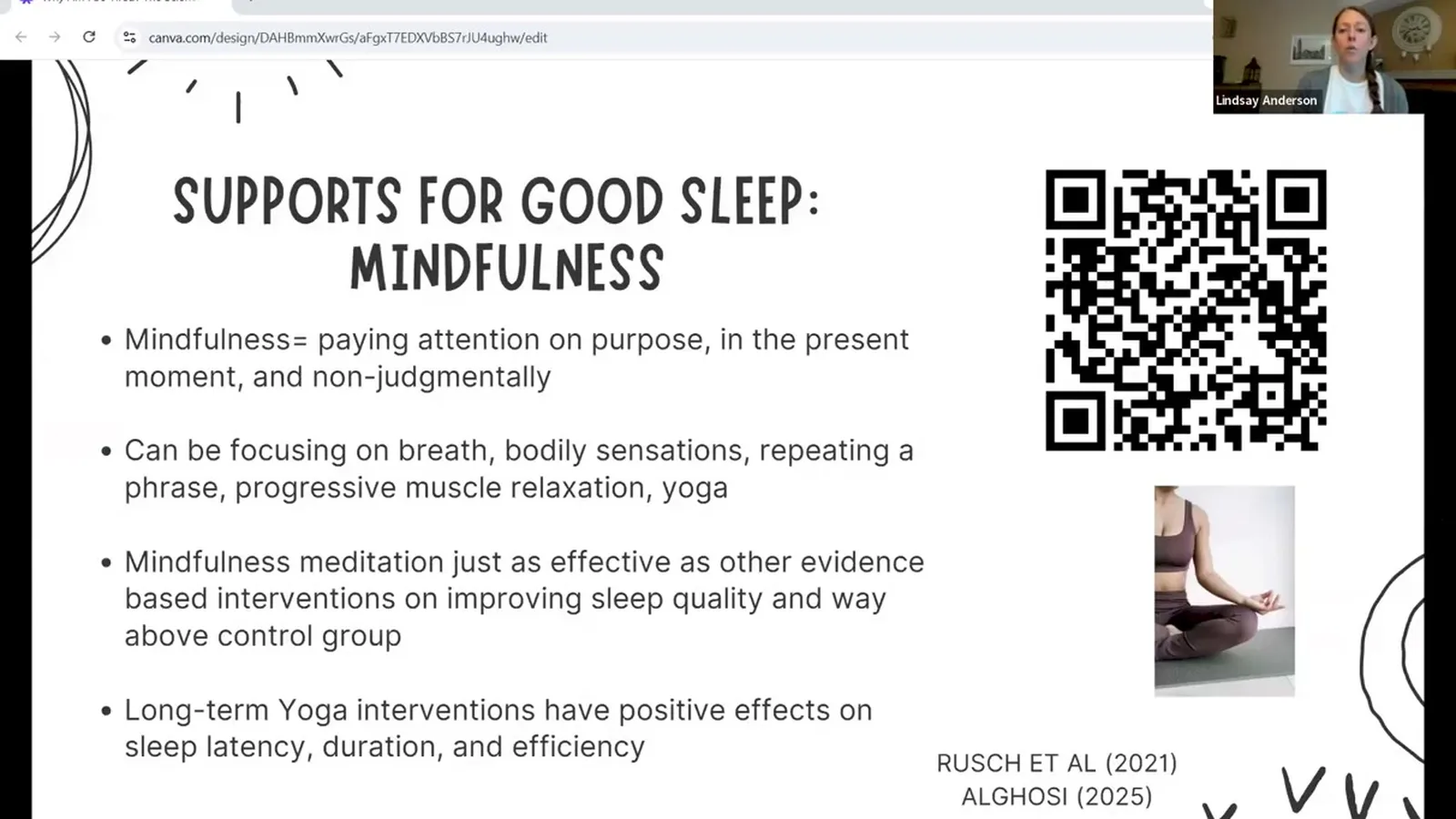
Why Am I So Tired? The Science of Sleep for BCBAs
Lindsay AndersonThe Behaviorist Bookclub
Recommends getting morning light before 10 a.m. to set circadian rhythms, citing a dose-response finding that every extra 30 minutes of morning light exposure…
- 1 CEU
Why Won’t They Go to Bed? A BCBA’s Guide to Effective Bedtime Routines
Lindsay AndersonThe Behaviorist Bookclub
Covered under the physical environment: light signals the circadian rhythm to stay awake, so rooms should stay dim during the routine, with a non-direct night…
On this page · 8 sections▾
The circadian rhythm is your body's internal clock. It runs on about a 24-hour cycle. It tells you when to feel alert and when to feel sleepy. Light and dark are its main signals.
This clock matters a lot in ABA work. Sleep problems are common for autistic children. Poor sleep makes learning and behavior harder the next day. When you understand the rhythm, you can help families fix bedtime.
Behavior and sleep feed each other. A tired child melts down more easily. A child in crisis then sleeps even worse that night. Fixing the clock can break that loop. So sleep support belongs in many behavior plans.
What the circadian rhythm does#
The rhythm lines up your body with day and night. Humans are built to be active in daylight. Dr. Emily Ice explains this basic pattern.
the circadian rhythm, which aligns us to our environment... Since we're diurnal, we are alert during the day when it's light and warm out. From the talk — Dr. Emily Ice
Diurnal means active in the day and asleep at night. Light and warmth push us toward alertness. Darkness and cool push us toward sleep. The clock reads these cues all day long.
Why teenagers shift later#
The clock is not fixed for life. It moves during the teen years. This is called a circadian phase delay.
Teenagers go through a circadian phase delay as they approach puberty... this shift means that they go to bed later. From the talk — Dr. Emily Ice
This shift is biology, not just choice. Teens truly feel sleepy later at night. Early school start times then clash with their clocks. Knowing this helps you set fair, realistic sleep goals.
Light controls the clock#
Light is the strongest signal to the rhythm. Bright light says stay awake. That is why the bedroom setup matters so much. Lindsay Anderson makes this point for bedtime routines.
light really signals to our circadian rhythm that it's time to be awake so it's best to keep lights as dim as possible throughout the bedtime routine From the talk — Lindsay Anderson
So dim the lights well before bed. Screens and overhead lights work against sleep. A calm, dark room helps the clock wind down.
Handling fear of the dark#
 Advertisement
Some children get scared in a dark room. You do not have to force full darkness. A small, indirect light can help.
it is common for kids to be afraid of the dark so if that is the case it's preferable to use a night light that stays on all night and doesn't shine directly in the child's eyes rather than keeping an overhead light on From the talk — Lindsay Anderson
A steady night light beats a bright overhead light. Keep it soft and out of the eyes. This balances comfort with good sleep signals. Lindsay walks through full bedtime plans in Why Won't They Go to Bed? A BCBA's Guide to Effective Bedtime Routines.
Morning light sets the whole day#
The clock also needs a strong morning signal. Bright light early tells the body it is daytime. This sets you up for better sleep that night. Lindsay Anderson calls morning light the first support for a good night's sleep.
More morning light seems to pay off at night. Lindsay describes a dose-response pattern from research.
And studies have shown that the more morning light people are exposed to before 10 a.m., the better their sleep quality is at night. And for every 30 minutes more of morning light exposure they get, their sleep quality increases. From the talk — Lindsay Anderson
So morning walks or a bright breakfast spot can help. The sleep science behind this appears in Why Am I So Tired? The Science of Sleep for BCBAs.
Sleep problems in autism#
Sleep struggles are very common for autistic children. They fall asleep harder and wake more often. A misaligned body clock is one likely cause. This is why the rhythm is more than a science fact.
The clock differences can run deep. Some research on severe autism found changes in genes that control the circadian rhythm. Melatonin, a sleep hormone, may also work differently. That may explain why some children resist normal bedtimes.
For BCBAs, this shifts how you read the problem. Bedtime resistance is not just "acting out." Biology may be pushing against the schedule. Light routines and steady habits give the clock the cues it needs.
What the research says#
Researchers often measure this clock with actigraphy. Actigraphy uses a watch-like device to track movement and rest. One study found that most sleep measures were reliable over 7 to 10 nights (Reliability of Actigraphy for the Assessment of Sleep and Circadian Rhythms in Rett and Related Syndromes).
Autistic people often show clock differences. Adults with Asperger syndrome had lower-amplitude rhythms and more fragmented sleep than peers (A Comparative Study of Circadian Rhythm Functioning and Sleep in People with Asperger Syndrome). Another study linked poor sleep to a misaligned biological clock, especially in autistic children with ADHD (Sleep Problems and Circadian Rhythm Functioning in Autistic Children). Circadian rhythm has also become a rising research keyword in this field (A Bibliometric and Visualized Analysis of Sleep Problems in Children with Autism Spectrum Disorder).
The roots may reach down to genes and hormones. One study of severe autism found 15 genes that regulate circadian rhythm among its unique markers (Gene Expression Profiling Differentiates Autism Case-Controls). Another checked the daily cortisol cycle in high-functioning autistic children. It found the timing of the rhythm was likely normal, with a tendency toward daytime cortisol hypersecretion (Urinary Cortisol Circadian Rhythm in a Group of High-Functioning Children with Autism).
FAQ#
What is a circadian rhythm in simple terms? It is the body's internal 24-hour clock. It controls when you feel awake or sleepy. Light and dark are its main signals. It runs in the background all day. When it drifts out of sync, sleep and mood often suffer.
Why do teenagers stay up so late? Their internal clock shifts later around puberty. This circadian phase delay is biology, not just habit. They truly feel sleepy later at night. Early school starts then make sleep harder.
How does light affect sleep? Light tells the clock it is daytime and time to be awake. Bright light at night delays sleep. Dim light before bed helps you wind down. Morning light before 10 a.m. improves sleep quality that same night. More morning light tends to help even more.
 Advertisement
Keep learning
Earn free BCBA CEUs on openceu
Browse on-demand recordings from verified ACE providers and earn CEUs across autism, ABA, and behavior analysis. Detailed certificate, delivered the moment you finish.
Keep going with a free learning path
Supervision, Done Right
Four supervision CEUs that build on each other. What reflective supervision is, how to build a supervision system, how to assess supervisee competence instead of counting hours, and how supervision affects provider outcomes. The BACB asks supervisors for three supervision CEUs per cycle. This covers it.