Why Am I So Tired? The Science of Sleep for BCBAs
Presented by Lindsay Anderson
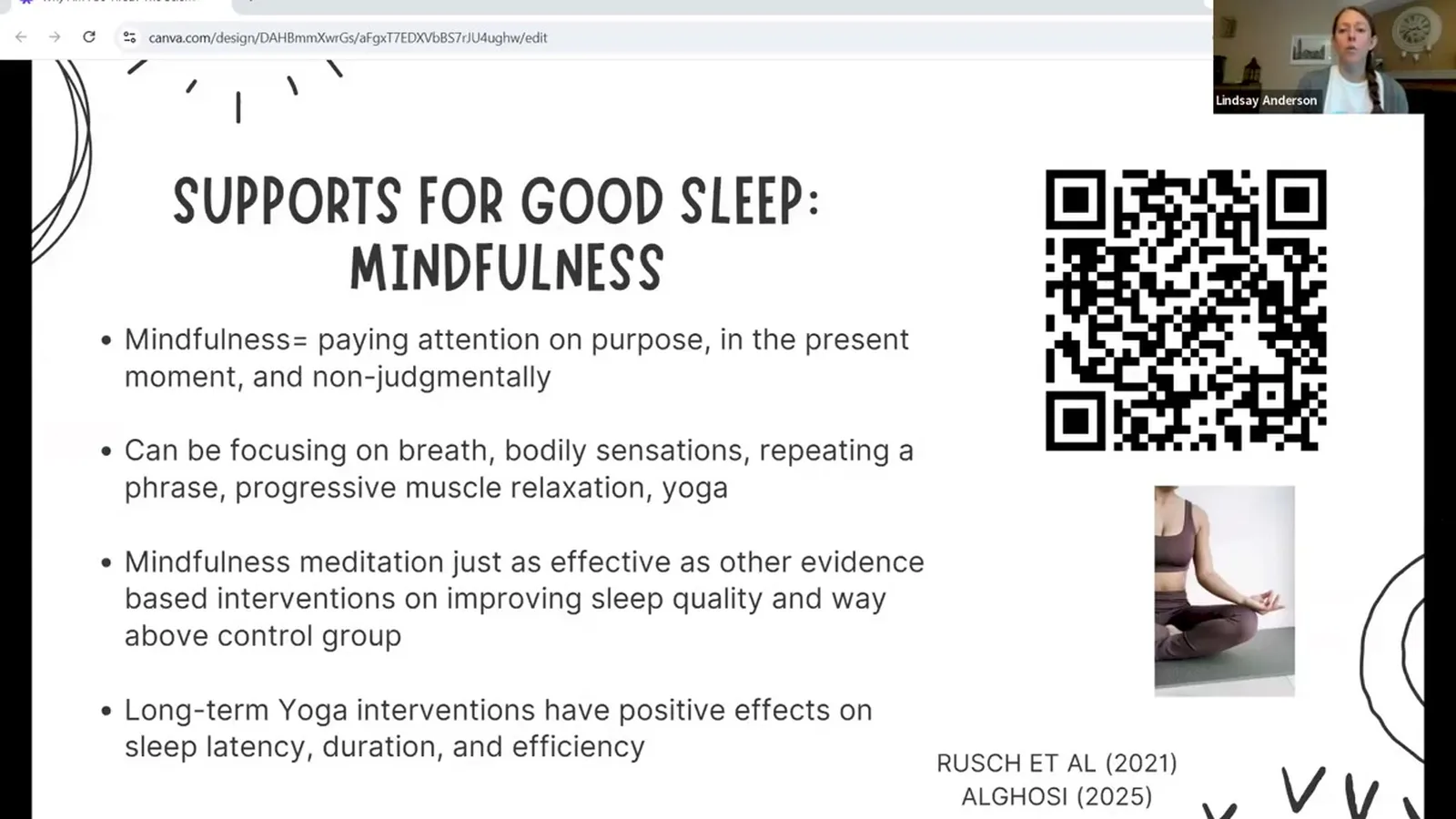
What You’ll Learn & How It Applies to Your Practice Despite decades of research demonstrating the profound effects of sleep on physical health, emotional regulation, and cognitive performance, our culture still treats sleep as a luxury rather than a necessity. This presentation will translate sleep science into practical, behavior-analytic tools specifically for BCBAs, helping attendees understand their own sleep needs, identify personal barriers, and implement sustainable habits that support well-being and effectiveness at work. Participants will learn the four pillars of healthy sleep, review common sleep disruptors, and leave with evidence-based strategies for improving their own sleep, protecting their long-term health, and modeling wellness for the families they serve.
Register free & watch nowCancel any time. Cert delivered to your inbox the moment you pass the quiz.
Learner ratings
from 55 learners
100% would recommend this CEU to other professionals in their field (44 responses)
“Very beneficial. I like the plan at the end as well.”
— Sarah G.“Nicely presented. Thank you!”
— Stephen J.“amazing”
— Ana S.“Great presentation.”
— Alexandra R.
About this CEU
What You’ll Learn & How It Applies to Your Practice Despite decades of research demonstrating the profound effects of sleep on physical health, emotional regulation, and cognitive performance, our culture still treats sleep as a luxury rather than a necessity. This presentation will translate sleep science into practical, behavior-analytic tools specifically for BCBAs, helping attendees understand their own sleep needs, identify personal barriers, and implement sustainable habits that support well-being and effectiveness at work. Participants will learn the four pillars of healthy sleep, review common sleep disruptors, and leave with evidence-based strategies for improving their own sleep, protecting their long-term health, and modeling wellness for the families they serve.
From the talk
What was covered
Lindsay Anderson maps the four pillars of sleep and the barriers that wreck them. She ends with a nightly plan behavior analysts can run right away.
- Aim for seven to nine hours, and treat seven as the floor rather than the goal.
- Keep your bed time and wake time steady, ideally within an hour of each other every day.
- Put handheld screens away one hour before bed and let a timer shut off the TV.
- Cut coffee at least 8.8 hours before bed and pre-workout at least 13.2 hours before bed.
- Write a specific five minute to-do list before bed to park the thoughts that keep you awake.
- If you are awake for about 20 minutes, get up, keep lights low, and return to bed when sleepy.
Why a BCBA's Own Sleep Is a Clinical Issue
BCBAs (board certified behavior analysts) get praised for doing more. We add the case. We answer the late text. Lindsay Anderson opened this talk by flipping that habit around. Your sleep is not a side issue. It shapes the care you give.
The numbers back her up. A CDC survey in 2022 found that 36.8% of adults do not get enough sleep. That bar sits at seven hours, which is only a floor. A 2023 Gallup poll found 57% of Americans would feel better with more sleep. In 2020, the National Center for Health Statistics looked at trouble falling asleep. They found 14.5% of adults struggled most days or every day. The group with the most trouble was 18 to 44 years old, and women more than men. As Anderson pointed out, that is a fair picture of our field.
Poor sleep hits the body, the brain, and the mood. Physical risk goes up for heart disease, diabetes, obesity, and colds. Thinking suffers too: more risk taking, weaker reasoning, and poor planning. Mood shifts toward irritability and lower frustration tolerance. At work that looks like more injuries, more critical mistakes, burnout, and worse clinical calls.
Anderson tied this to ethics code 1.10, awareness of personal biases and challenges. The code asks analysts to notice when a health issue may interfere with their work. She was clear that bad sleep is not an ethics violation. It is a barrier worth naming. She also named the culture behind it, and the thoughts it plants, like having to earn rest first. Acceptance and commitment training (a way to unhook from thoughts) helps here. Notice the thought, name the value, pick one committed action.
we're actually doing a disservice to our clients if we aren't prioritizing our own sleep
From the talk — Lindsay Anderson
The Four Pillars of Sleep, Starting With Quantity
The framework comes from Dr. Matthew Walker. He is a sleep scientist and professor at UC Berkeley who wrote Why We Sleep. He names four pillars: quantity, quality, regularity, and timing. Anderson pointed attendees to his self-assessment quiz at sleepdiplomat.com. Each pillar can be measured. Each one can be fixed.
Quantity is the total sleep you get in 24 hours. For adults the range is seven to nine hours. The right number inside that range is personal. Some people brag about running on four or five hours. Genetic short sleepers (people who truly need less sleep) do exist. They get the same benefits in four to six hours that most people need eight hours to get. Most of us are not them.
Then comes the weekend question. You cannot win back every health benefit you lost. Heart health recovers more than the rest. A 2025 study by Luo looked at sleeping in on weekends. As long as it was under four hours, it lowered the risk of high blood pressure. You can also bank sleep ahead of a stretch you know will be short. This softens the hit to your thinking. Both tricks limit harm. Neither beats steady sleep.
just because seven hours is the minimum to avoid negative health outcomes, that doesn't necessarily mean you'll be thriving at seven hours
From the talk — Lindsay Anderson
Quality and Regularity: What a Good Night Looks Like
Quality means how easily you fall asleep and stay asleep. It is scored as time asleep over time in bed. Anderson set the target at 85% or higher. Below that you start to see low energy, irritability, and low mood. The most exact measure is a polysomnogram (an overnight lab sleep study). A wearable gives a rough read. A paper sleep log works too. The pattern to look for is simple. Fall asleep within about 20 minutes. Have few long wake ups. Stay asleep for most of your time in bed.
Wake ups themselves are normal. The research calls them brief arousals (short wake ups during sleep). Anderson cited a study by Bonnet from 2007. It found about 83 wake ups a night for ages 21 to 30. Ages 31 to 40 average about 116. Ages 41 to 50 average about 109. Almost all of them go unnoticed. When a big one does wake you, telling yourself it is normal keeps the anxiety down.
Regularity is going to bed and waking at about the same time daily. Steady timing has been linked to better alertness, heart health, inflammation, mental health, and thinking. Walker suggests staying within 15 minutes each day. If that feels rigid, an hour still helps a lot. The common break is social jet lag (weekday and weekend clocks clash), which brings fatigue, poor focus, and irritability. A 2023 National Sleep Foundation position paper looked at this tradeoff. Sleep should stay on a steady schedule when possible. But if work day sleep runs short, one to two hours of catch up sleep on days off may help.
keeping a regular schedule is just as important, if not maybe more important, than the total amount of sleep you're getting
From the talk — Lindsay Anderson
Timing: Work With Your Chronotype, Not Against It
Timing is where sleep sits in the 24 hour day. The goal is awake in daylight and asleep at night. Shift work makes that hard, and Anderson said so. Beyond that, try to match your chronotype (when your body wants sleep). It is genetic, so you are not choosing it. The one caution is for extreme night owls, since very late bedtimes have been linked to higher heart disease risk.
Dr. Michael Brios, a clinical psychologist and sleep specialist, splits chronotypes into four animals. He has a free quiz at chronoquiz.com. Bear is the most common at about 55%: up around 7 a.m., bed near 11 p.m., peak focus from 10 a.m. to 2 p.m. Lion is about 15%: up before 6 a.m., bed by 10, peak from 9 a.m. to 2 p.m. Wolf is another 15%: up after 7:30, midnight bedtime is common, peak from 1 p.m. to 5 p.m. Dolphin is about 10%: schedules are harder to hold, light and noise wake them, and sleep is more broken.
our chronotypes dictate which time of day we feel most alert and which time of day we feel most sleepy
From the talk — Lindsay Anderson
Four Daily Supports That Move Sleep in the Right Direction
The first is morning light. Light sets your circadian rhythm (your body's internal daily clock). Studies show that more light before 10 a.m. means better sleep quality that night. Every extra 30 minutes of morning light adds to that benefit. Take a short walk. Drink your coffee outside. Open a window and stick your head out. The point is light reaching your eyes.
The second is movement. Regular activity is linked to shorter sleep latency (how long falling asleep takes) and better overall quality. It has shown promise with insomnia. Moderate effort works best, while hard workouts close to bedtime can backfire. A study by Al Noir found that 10 minutes of light morning exercise added 2.56 minutes of sleep. Small, but it moves the right direction.
The third is mindfulness, which just means paying attention on purpose, in the present moment, without judging it. That can be breath, body sensations, a repeated phrase, progressive muscle relaxation, or yoga. A 2021 study by Rush looked at mindfulness meditation for sleep. It worked as well as other proven treatments and beat the control group by a wide margin. Those gains held at 5 and 12 months later. A 2025 study by Algosy found that long term yoga helped sleep latency, duration, and efficiency.
The fourth is a bedtime routine. Adults need cues too. Do the same things in the same order so your brain learns what comes next. One study had a group read 15 to 30 minutes in bed each night. That group reported better sleep quality than the control group. Leave about 20 minutes to actually fall asleep. Sprinting upstairs at 9:59 will not hit a 10 p.m. goal. Use a timer an hour before bed, or a sticky note on the mirror as a prompt.
we all have those days where you really can only manage a few minutes of light exercise
From the talk — Lindsay Anderson
Sleep Barriers, Part One: Medical Issues and Screens
Start with the body. Obstructive sleep apnea (throat blocks air during sleep) is the big one. Recent estimates put it at up to 33% of adults. If you are wiped out all day and snore loudly or gasp at night, get checked. Restless leg syndrome (an urge to move your legs) affects about 7%. The cause is often unknown. Low iron, pregnancy, and some medical conditions can play a role. Alcohol, caffeine, and stress make it worse. GERD (stomach acid rises at night) may affect up to 20% of adults, and it gets worse lying down. Eating about three hours before bed, raising the head of the bed, and sometimes medication all help. Anderson also flagged vitamin D deficiency. Every one of these belongs with a doctor, not a sleep hack.
Then there is the phone. A large 2025 study by Zong looked at more than 165,000 adults. People who used handheld devices within an hour of bed every day slept less. They were more likely to fall short of the recommended seven to nine hours. On average, they also went to sleep over 19 minutes later. Nineteen minutes sounds like nothing. Stack it across a month on top of poor quality and it adds up.
What you do on the screen matters more than the screen itself. Research in adolescents found that active use like scrolling and gaming hurt sleep far more than watching television. So the action step is specific. Put handheld devices away an hour before bed. If you want something, watch TV instead, and set a timer so the next episode does not start on its own.
your brain has to keep waking you up all night long in order to breathe again
From the talk — Lindsay Anderson
Sleep Barriers, Part Two: Food, Drink, Room, and Stress
Food shows up in the data. Diets high in processed food and added sugar are linked to worse sleep quality. That shows up as less deep sleep, blood sugar swings, and more inflammation. Irregular meal times were tied to more sleep problems in teens, college students, and adults. Skipping breakfast keeps showing up next to later bedtimes, though no one has pinned down why. The action step is a regular meal schedule that includes breakfast, if that works for you. Add more fruit and vegetables too.
Drinks are sharper. Anderson cited two meta-analyses (studies that combine results from many other studies) by Gardner. Two alcoholic drinks within three hours of bed can delay the start of REM sleep (the dreaming stage of sleep). It also shortens that stage, and more alcohol means more disruption. Caffeine cut total sleep time by 45 minutes, and the closer to bed, the bigger the loss. That work gave clean cut-offs. Stop pre-workout at least 13.2 hours before bed. Stop coffee at least 8.8 hours before bed.
Your room counts too. A study of 47,000 women across the country looked at bedroom light. Sleeping with a TV or a light on came with more poor sleep. That included a sleep debt over two hours, trouble staying asleep, and frequent napping. A small nightlight or a little light from outside was not tied to a real change. In a lab study, people slept in a near silent room. They got more deep sleep and fewer wake ups than at home. Heat hurts as well. So use a nightlight instead of overhead lights. Add steady low noise, like a fan, if quiet is not possible. Keep the thermostat between 65 and 68 degrees.
Stress is the one most attendees named. A 2024 American Academy of Sleep Medicine survey found 74% of Americans report stress disrupting their sleep and 68% lose sleep to anxiety. The action step is a five minute to-do list right before bed. In a study of 57 adults ages 18 to 30, one group wrote out upcoming tasks. That group fell asleep faster than the others. More specific lists worked even better. Revenge bedtime procrastination (staying up late for yourself) is the other trap. Talker Research surveyed 2,000 Americans last December. They found 96% do it, about 3.5 times a week. Each time, they stay up an hour and 50 minutes later than usual. Treat it as a function question (the reason a behavior happens). Schedule 10 minute blocks of your own time during the day.
nighttime is the only time that they have for themselves
From the talk — Lindsay Anderson
When You Cannot Sleep, Trackers, and a Sample Plan
Some nights fall apart anyway. Anderson's first rule is to stay calm, because a rising heart rate makes falling back asleep harder. She uses acceptance language for the spiral. It sounds like telling yourself that sleep is not coming right now, and that you can accept that. Do not check the clock, since that starts the math on how little sleep is left. Skip the optional bathroom trip, because walking across the room raises your heart rate. Try box breathing (timed breathing in a set pattern). Her version is in for four, hold for five, out for eight, hold for five. Long exhales calm the heart and switch on the parasympathetic nervous system (the calm down body system). If about 20 minutes pass and you are still awake, or anxiety is climbing, get up. Keep the lights dim, read something boring or listen to a podcast, and go back when you feel sleepy. If this happens often, consider CBTI (cognitive behavioral therapy for insomnia, a short structured therapy). It is highly effective, and many insurance plans cover it.
Trackers came up in questions, and the answer was balanced. On the plus side, a 2025 study found that people who wore a device more often moved more. More activity feeds better sleep. Trackers also surface patterns you would miss. For example, they can show how a late bedtime or a couple glasses of wine changes your night. Just measuring a thing tends to change behavior, the same way a step counter makes you walk more. On the minus side, the American Academy of Sleep Medicine says consumer sleep tracking falls under health and wellness. It does not fall under FDA oversight, so accuracy varies by device and maker. No tracker replaces a medical evaluation. There is also orthosomnia, the obsessive chase of perfect sleep scores, which makes sleep worse.
The talk closed with a worked example you can copy. Goal bedtime 10 p.m., with eight and a half hours needed, so wake up at 6:30 a.m. Walk from 7:00 to 7:15 for movement and morning light. Meals at 8 a.m., 1 p.m., and 6 p.m. Last coffee by 1 p.m. A few 10 minute breaks for yourself during the day. Thermostat down by 8 p.m. so the room is cool by bedtime. Timer at 9 p.m.: phones away, lights dim. Then hygiene, five minutes writing the to-do list, and about 15 minutes of reading, yoga, or meditation. Lights out at 9:40 with box breathing, which leaves the 20 minutes it takes to actually fall asleep.
using a sleep tracker is going to be an individual choice
From the talk — Lindsay Anderson
Common questions
How many hours of sleep do adults actually need?▾
The adult recommendation is seven to nine hours per night. Seven is the minimum to avoid negative health outcomes, not the number where most people thrive. Your best number inside that range is individual, so test it and notice how you feel. Genetic short sleepers who do fine on four to six hours are rare.
Can I catch up on sleep over the weekend?▾
Partly. You never recover all the lost health benefits. But heart health recovers more than other areas. A 2025 study by Luo found that sleeping in on weekends, under four extra hours, lowered the risk of high blood pressure. A 2023 National Sleep Foundation paper looked at catch up sleep too. It said one to two hours of catch up sleep on non-work days may help when weekday sleep runs short.
Is waking up during the night a sign something is wrong?▾
Usually not. Short wake ups are a normal part of sleep. A 2007 study by Bonnet counted roughly 83 to 116 per night, depending on age. Almost all of them pass without you noticing. If you do wake fully, reminding yourself it is normal keeps anxiety low and helps you drift back.
When should I stop drinking coffee if I want better sleep?▾
The meta-analysis Anderson cited gave a firm number: cut coffee at least 8.8 hours before bedtime. Pre-workout supplements need a longer window, at least 13.2 hours. Caffeine in that study cut total sleep time by 45 minutes. The closer to bedtime it was consumed, the bigger the loss.
Should a BCBA wear a sleep tracker?▾
It depends on how you respond to the data. Trackers can nudge you to move more, reveal patterns, and push healthier habits. They are not regulated for accuracy and cannot replace a medical evaluation. If tracking raises your anxiety or turns into obsessing over scores, skip it.
What should I do if I am awake at 3 a.m.?▾
Stay calm and keep your heart rate down. Do not look at the clock, and skip the optional bathroom trip. Try slow breathing with long exhales, such as in for four, hold five, out for eight, hold five. If about 20 minutes pass and sleep still is not coming, get up. Keep the lights dim, read something dull, and return when you feel sleepy.
About the speaker
Lindsay Anderson is a BCBA, certified sleep practitioner, and yoga teacher who owns Restful Kids Behavioral Sleep Consulting. This talk was the third and final part of her CEU series on behavioral sleep. It was the only one aimed at the clinician rather than the caseload. She covered the four pillars of sleep and the common barriers that break them. She also shared a night by night plan built from behavioral strategies.
This summary was generated from the recording’s transcript. Quotes are taken word for word from the talk.
What you'll learn
- 1Learning Objectives
- 21. Describe the four pillars of healthy sleep and explain their impact on physical and mental health, cognitive functioning, and professional effectiveness in ABA.
- 32. Identify common barriers to adequate sleep and describe how these factors disrupt sleep patterns.
- 43. Develop an individualized action plan using behavioral strategies to improve their own sleep consistency and quality.
Concepts in this CEU
Related talks
Talks that cover the same concepts
Why are they Waking up at 2 AM?
The Behaviorist Bookclub
Why Won’t They Go to Bed? A BCBA’s Guide to Effective Bedtime Routines
The Behaviorist Bookclub

Supervision Articles Deep Dive
The Behaviorist Bookclub
New Year, New Care Collab Goals
The Behaviorist Bookclub
PDA: What it is and What it isn't
The Behaviorist Bookclub
Prosocial in the Workplace
The Behaviorist Bookclub
More from The Behaviorist Bookclub

Harm Reduction Within ABA Practice
The Behaviorist Bookclub
Supervising Beyond Technical Skills: Professionalism, Communication, and Clinical Judgment
The Behaviorist Bookclub
Reflective Supervision and Client Outcomes
The Behaviorist Bookclub
OpenCEU is supported by advertising from third-party sponsors. Sponsors are clearly labeled, have no influence over course content, instructors, or CEU decisions, and never appear on certificates. The BACB does not sponsor, approve, or endorse OpenCEU sponsors or their products.