Universal Crisis Protocols in Schools: A BCBA's Plain-Language Guide
What universal crisis protocols look like in real school buildings, why they cut restraint fast, and the 8 components your team needs, from a BCBA-led CEU.
Key takeaway
A universal crisis protocol is one written plan, with eight components, that every adult in a school building runs the same way for a student in crisis.
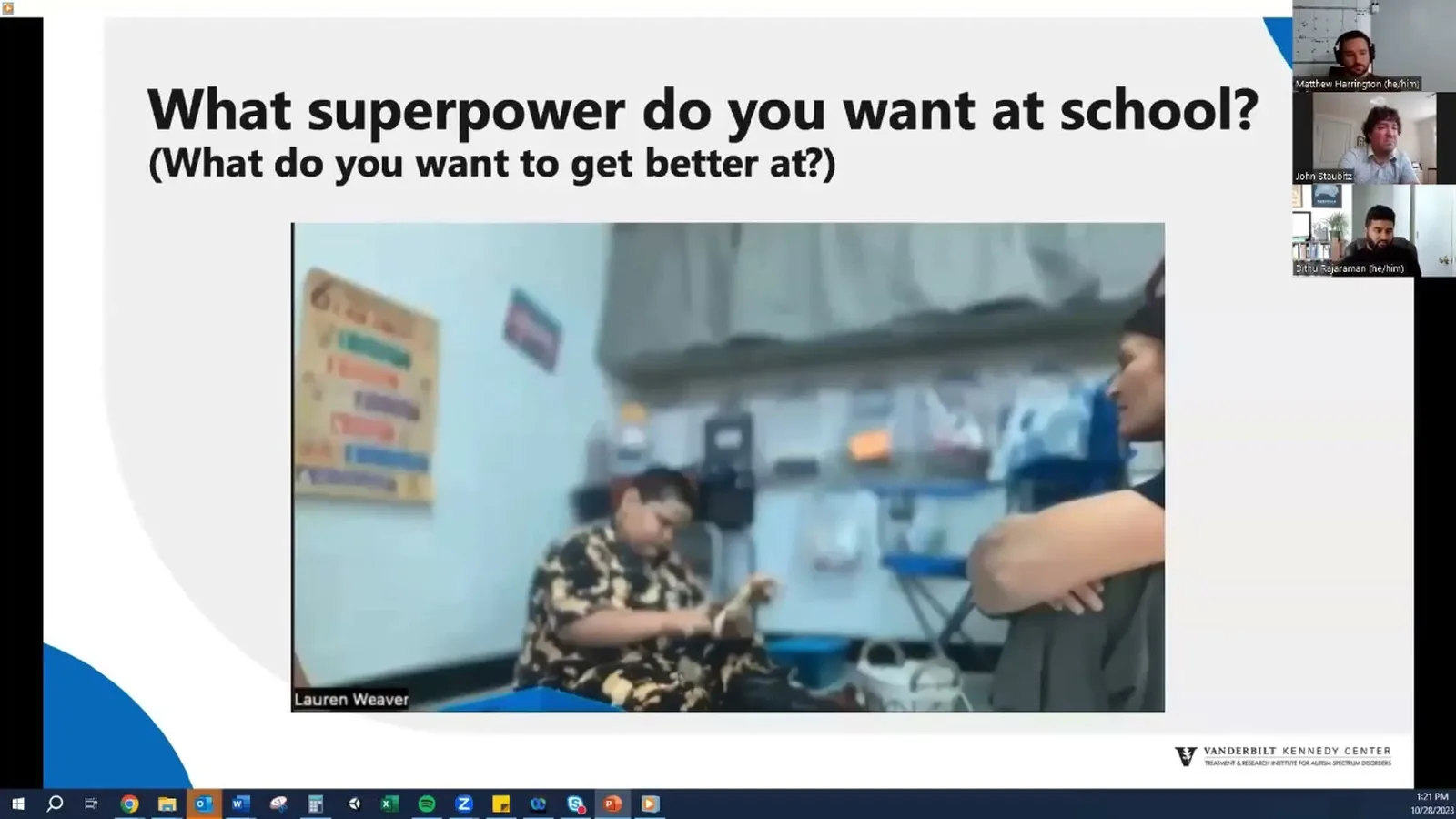
Universal protocols and crisis intervention in schools - Applied 2023
On this page · 8 sections▾
A universal crisis protocol is one written plan, with eight components, that every adult in a school building runs the same way for a student in crisis. When the Vanderbilt team rolled it out for a student named Lewis, aggression dropped from 24% of intervals to 2%, and self-injury dropped from 25% to 6%. Those are the kinds of numbers that pull a student off restraint and back into class.
This page walks through what the protocol is, the eight pieces a BCBA (a Board Certified Behavior Analyst) coaches a school team to run, the one piece teachers push back on the hardest, and what changed for four real students after rollout. It is written for behavior analysts, special education teachers, and school leaders who want a plain version they can hand to their team on Monday.
What a universal crisis protocol actually is (and what it isn't)#
A universal protocol is not a behavior intervention plan (a BIP). It is not a crisis kit. It is a short, written set of rules that the whole team runs the same way, every day, for a student whose dangerous behavior is hurting people and getting them restrained.
The goal is narrow. Make school safer right now. Make the time the student is on campus more rewarding. Catch the small warning signs early and respond in a way that prevents the big stuff. The Vanderbilt team is clear that this is a short-term move while the team works toward longer-term skill teaching.
We chose to begin our work by teaching and implementing this Universal Protocol procedure across all four students' time on campus. Specifically, we'd seek to prevent the escalation of dangerous behavior by creating a more reinforcing and engaging experience during scheduled activities, and would spare no effort reacting in a manner judged to bring about safety whenever escalation was witnessed. From the talk — the Vanderbilt team
A BIP is built for one student around the function of their behavior. A universal protocol is a building-wide playbook that runs the same way no matter who is in the room with the student. That difference matters because schools rarely have the same staff on a student all day. The protocol is what holds when the people change.
The 8 components the Vanderbilt team teaches school staff#
These are the eight pieces the Vanderbilt team coaches every adult on the student's team to run. None of them are new ideas in behavior analysis. The point is that you run all eight, together, all day.
- Show continuous positive regard and empathy. Adults in the room treat the student warmly, even when the student does not seem to want it.
- Enrich the environment. Bring in the items, sounds, and activities the student likes. Make the room a place they want to be.
- Follow the student's lead. Where they go, what they touch, what they want to do, go with it as much as you safely can.
- Invite, do not require, the student to join scheduled activities. Let them know what is happening at 10:30. Make it easy to join. Let them pass without a fight.
- Limit non-essential demands. If a demand is known to trigger problem behavior and is not required, skip it for now. If it is required, like a restroom break or a bus transition, run it as kindly as you can.
- Offer choices, especially before any required demand. Even small choices give the student a sense of control.
- Make required moments feel good. Pair the required stuff with a preferred item, a song, a favorite person, or a short break right after.
- Reinforce precursors at the earliest warning sign. If you spot a small sign that the student is about to escalate, you give them something they like right then.
The eighth component is the one that gets pushback, so it has its own section below.
Why reinforcing precursors is the part teachers push back on most#
Most teachers and many behavior technicians (RBTs, Registered Behavior Technicians) were trained to do the opposite. The old rule was that if you reward a warning sign, you teach the student to use the warning sign more. The Vanderbilt team says, in a crisis, the math is different.
Finally, and this is a really big one, at the earliest warning signs, if someone spots a precursor, if there's low-level problem behavior, we're going to reinforce it, which goes against what many of us were trained to do and many of the people working with were trained to do. From the talk — the Vanderbilt team
Here is the plain version. When a student is being restrained twice a day, the next thirty seconds matter more than the next thirty days. If a small grimace, a hand on the desk edge, or a soft "no" predicts a punch, you stop the punch by responding to the grimace. You hand them the iPad. You back off the worksheet. You walk with them to the hallway. You break the chain before it reaches anyone's body. The team starts teaching skills back in once the crisis is off the table.
A BCBA frames it this way for the team. Right now, the precursor is the safest moment in the day to act. Use it.
What changed for four real students after rollout#
The Vanderbilt team ran this protocol with four students in Tennessee public schools. All four had IEPs, all four had been restrained heavily, and all four spent very short days on campus because of dangerous behavior. The team gave each plan its own small tweaks but kept the eight components.
Madden came back from a 45-day suspension after badly hurting an RBT. He was being restrained nearly once per hour. After full rollout, his classroom team said the intense aggression was rarely seen again. A few one-off bites and hair grabs lingered, but the long struggles in the baseline videos were gone.
Lewis was hurting himself in 25% of fifteen-minute intervals and hitting staff in 24%. The team built up his ability to ask for things using a Velcro choice board. They taught him to tolerate short waits with a visual timer. They told his teachers to respond to crisis moments with care, not firm redirection.
However, once universal protocols could be fully implemented, both aggression and then self-injury dropped to 2% and 6% respectively on average. From the talk — the Vanderbilt team
For DeAndre and Madden, restraint use went down sharply. Days on campus went up. Lewis more than doubled the length of his school day across the months the team worked together. He ended up in choir class, working on IEP goals. None of that happened because the team added a stricter rule. It happened because the team built a building-wide protocol the whole staff could run.
How to individualize the protocol without breaking it#
The eight components stay the same. What you change is how each one looks for this student in this room. A BCBA leads the team through three questions for each component.
What does "enriched" look like for this student? For Madden, that meant his chew toy, an iPad, and the freedom to strobe the lights or touch certain spots on the wall. For Lewis, it meant his choice board, his preferred staff joining him in the activity, and short routines he could end or extend on his own.
What does "limit non-essential demands" mean for this student? For one student, that is skipping the morning worksheet for a week. For another, it is moving the bus transition to a quieter door.
What does "reinforce precursors" look like for this student? For Madden, when he looked stressed, staff approached him, spoke to him, hugged him, and offered him preferred social activities. The Vanderbilt team is honest that an early-career BCBA would not have done this. The shift is part of why it works.
The line that holds the protocol together is this. You can change the look of each component for the student. You cannot drop a component. If you find yourself dropping one, the protocol is no longer universal, and the team will not run it the same way.
When to start layering skill-based treatment back in#
Universal protocol is the fire extinguisher. Skill-based treatment is the wiring rebuild. You do not stay on the extinguisher forever.
The Vanderbilt team watches three signals before they start layering skill work back in. First, a few days in a row with zero restraints. Second, the staff in the room report that they feel safe and that the student seems happier. Third, the student is using a clear way to ask for what they want, whether that is a few words, a choice board, or a sign.
Once those three are stable, the team starts adding small demands back, one at a time, paired with strong reinforcement and clear ways for the student to say no. They keep collecting data. They keep asking the student, the family, and the staff if the new step feels right. If anything slips, they go back to the full protocol and try again later.
A BCBA running this in an MTSS (Multi-Tiered System of Support) building also tells the IEP team up front that this is the plan. We are stabilizing first. We are adding work back second. We are not lowering the bar forever. That conversation, on paper, in the meeting, is part of the protocol too.
Frequently asked questions#
Do universal crisis protocols replace a student's BIP? No. The protocol runs alongside the BIP while the team stabilizes the crisis. The BIP still names the function of the behavior and the long-term teaching targets. The protocol is the short-term, building-wide playbook that keeps everyone safe while the team gets ready to teach. Once the data is stable, the BIP drives the next steps.
How long does a universal protocol stay in place before adding demands back? The Vanderbilt team uses data, not a calendar. They want at least a few days in a row with no restraints, staff who feel safe, and a student who can ask for things in some way. For some students, that is one to two weeks. For others, it is longer. The team adds one demand back at a time and watches the data closely.
Can a paraprofessional implement a universal protocol without a BCBA on site? Yes, that is the point of a written protocol. Once a BCBA trains the team and writes the eight components in plain language for this student, a paraprofessional or RBT can run the protocol day to day. The BCBA stays involved through weekly check-ins, data review, and coaching when something new comes up.
Watch the full talk#
The Vanderbilt team walks through all four cases, shows the multiple baseline graphs, and shares the educator comments that came in after rollout. If you are about to bring this to a school team, watching the talk together is the fastest way to get everyone on the same page.
Watch "Universal protocols and crisis intervention in schools" on openceu.com