Training School Staff in Crisis Response: What a BCBA Actually Coaches
How BCBAs train teachers, paras, and admin in school crisis response without burning them out, including the steps that change behavior fastest, from a BCBA-led CEU.
Key takeaway
School staff, meaning the teachers, paraprofessionals, and admin who actually share the room with the student, walk into a crisis response training carrying a long list of habits they were told to use. Block the hit.
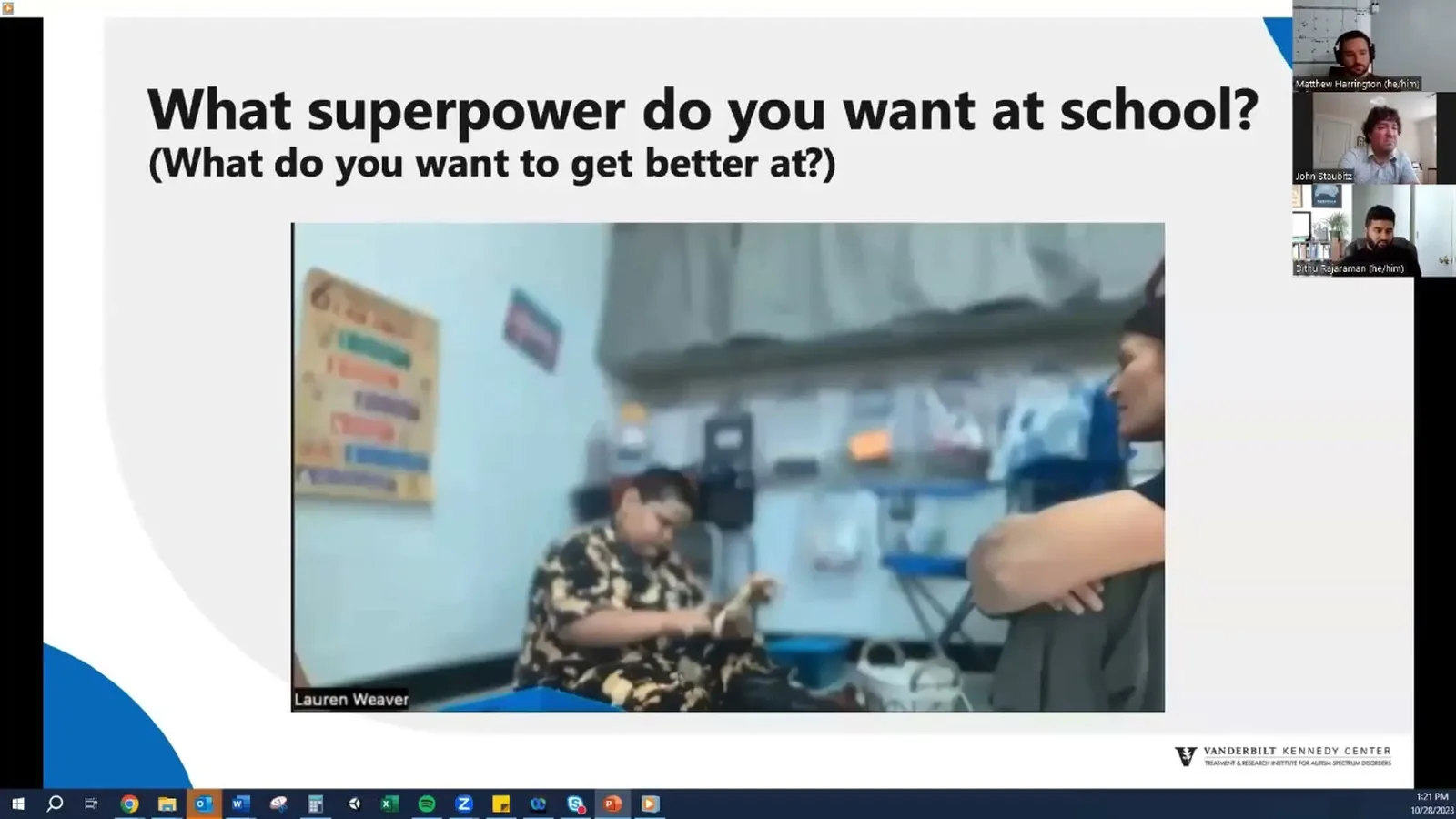
Universal protocols and crisis intervention in schools - Applied 2023
On this page · 8 sections▾
School staff, meaning the teachers, paraprofessionals, and admin who actually share the room with the student, walk into a crisis response training carrying a long list of habits they were told to use. Block the hit. Hold the line on the demand. Ignore the precursor so you don't reinforce it. Most of the work of training them is unlearning that list. A Board Certified Behavior Analyst (BCBA) who has watched the baseline data knows why. In one Tennessee classroom, staff caught the early warning signs of aggression in real time, and even then they only made it through the 15-minute interval safely about 25% of the time. The skill gap is not effort. The skill gap is the playbook.
Why most school crisis trainings don't change behavior#
Most crisis trainings in schools end on a sign-in sheet. Staff sit through a slide deck, practice a hold or two, and go back to the same classroom with the same kid and the same expectations. Nothing about the day changes. The behavior intervention plan still says "minimize attention to precursors." The schedule still expects the student to do the same work at the same time. The team has new vocabulary, but their hands do the same thing they did last week.
That is why fidelity data in those classrooms looks flat. Staff are not lazy. They are running the old script faster.
A training that actually changes behavior starts from a different place. It picks one or two things the team will stop doing. It picks one or two things the team will start doing in the next class period. And it puts the BCBA in the room while they do it. Didactic time matters, but in-the-room coaching is where the change shows up on the graph.
One more thing. Crisis trainings get framed as compliance. Restraint hours. Documentation. Reporting forms. That framing is true, and it is also not why staff show up on Monday. Staff show up because they want the kid to have a better day and they want to go home with no bruises. A BCBA who leads with that wins the room.
So it's within this context that the educators, the people that we consult with, who began their career inspired to instruct, to intervene and nurture, find that much of their time on the job is spent in situations that are stressful, legally fraught, and physically risky. This is not what they thought they were signing on for. From the talk — the Vanderbilt team
What to unteach before you teach anything new#
Before a BCBA teaches anything new, there is usually a short list of habits to retire. These are the moves staff were taught, often by other behavior analysts, and they show up at exactly the wrong time.
The first one is "minimize attention during precursors." Staff were told that talking to the student, comforting the student, or offering a preferred item during a precursor would reinforce the behavior. So when the student starts to spiral, the team goes quiet, steps back, and waits. The graph shows what happens next. The precursor escalates into aggression in 3 out of 4 intervals.
The second one is "hold the demand." Staff were told that pulling back a demand teaches escape. So they re-present the worksheet, the transition, the line-up. The student escalates. The team restrains. Everyone goes home tired.
The third one is "firm redirection." Staff were told to be neutral and short. The Vanderbilt team flips this. They coach staff to respond to dangerous behavior with concern and care, not a flat voice and a body block.
None of this means abandoning behavior analysis. It means picking the parts that fit a kid in crisis and shelving the parts that do not. The BCBA's job in the first week is to give staff explicit permission to stop doing the things their last training told them to do. Without that permission, the new playbook sits on a shelf.
It's worth noting that it seems as if it is specifically those components of universal protocol that require compassion that may have been the most critical for their success. From the talk — the Vanderbilt team
For the educators we work with, we need to help our consultees to unlearn some of the values and tactics that we, behavior analysts, me personally, that I have been teaching them, that we have been teaching them. From the talk — the Vanderbilt team
Coaching paras and RBTs to respond to precursors with reinforcement#
The hardest single skill to coach in a school is reinforcing a precursor. It feels wrong. The student is starting to escalate. The instinct is to pull back. The new move is to lean in.
Here is what that looks like in practice. The student starts pacing, mumbling, or pushing the iPad away. Those are the early signs. A coached para walks toward the student, not away. They say a calm, warm thing. They offer the chew toy, the iPad, the song, whatever the team already knows is preferred. They follow the student's lead. If the student wants to sit on the floor, they sit on the floor.
Two things make this stick. The first is rehearsal. The BCBA names the precursor list out loud before the class period starts. The team practices the response in the hallway. The second is reps in the room. The BCBA stays in the classroom for the first day or two and prompts the team in the moment. "There. You see that head turn? Go now."
Behavior Skills Training (BST) is the structure underneath this. BST is a four-step coaching model where the BCBA explains the skill, shows the skill, watches the staff member try it, and gives feedback. Staff need all four steps. A slide is not enough. A roleplay is not enough. The reps in the actual room with the actual student are what move the fidelity number.
The Vanderbilt data show what happens when this works. In Lewis's classroom, aggression went from 24% of intervals to 2%. Self-injury went from 25% to 6%. The team did not work harder. They worked from a different playbook.
How to model compassionate redirection in front of a stressed teacher#
A stressed teacher does not learn well from a slide. A stressed teacher learns from watching the BCBA walk over and do the thing.
The model is short. The BCBA enters the room. The BCBA picks one moment and shows it. They approach the student calmly, name what they see, offer a choice, and follow the student's lead. They do it for 5 minutes, then they step back and let the team try.
Three coaching cues help the BCBA do this well in front of staff.
First, narrate while you model. Say out loud what you noticed, what you chose to do, and why. "I saw him push the book. I'm going to back the worksheet away and offer the iPad. He needs a reset."
Second, do not be precious. Staff need to see the BCBA get it wrong sometimes. If the student escalates while the BCBA is modeling, the BCBA says so. "That didn't work. Let me try something else." Staff who watch a BCBA recover from a missed read learn faster than staff who watch a flawless demo.
Third, hand off cleanly. After the model, the BCBA stands at the edge of the room and lets the teacher take the next round. The BCBA gives a quiet thumbs-up or a small cue. This is the rep that matters.
When Madden appeared stressed, rather than minimizing attention, team members approached him, spoke to him, hugged him, and offered him preferred social activities. I would have never done this early in my practice as a behavior analyst. From the talk — the Vanderbilt team
Tracking staff fidelity without making teachers feel watched#
Fidelity data is where most school consults go sideways. The BCBA shows up with a checklist. The teacher sees the checklist. The teacher feels graded. The data either stops being honest or stops being collected.
There is a better way to do this.
Use partial interval data on the student, not a checklist on the teacher. The Vanderbilt team used 15-minute partial intervals to track precursors, aggression, and de-escalation success. Those numbers show whether the universal protocol is working. They do not feel like a grade.
Pair every data review with a debrief. Sit down once a week. Look at the graph together. Ask the team what they tried, what worked, and what they want to change. The BCBA brings the data. The team brings the context.
When you do need to score staff behavior, score yourself first. The BCBA models a session, scores their own performance on the same form, and shares it with the team. Staff who see the BCBA score themselves a 7 out of 10 are far more willing to fill out the same form on a Tuesday afternoon.
What to do when a teacher says "this won't work for my kid"#
This is the most common pushback a BCBA will hear in a school. "We already tried that." "He's different." "That won't work in this classroom."
The response is not a counterargument. The response is a contract.
The Vanderbilt team frames it like this. Give us three to five days. No restraints. Full protocol. We will follow his lead. We will reinforce precursors. We will pull non-essential demands. At the end of that window, we look at the data together. If the student is safer, we add the academic asks back in slowly. If not, we change the plan.
That frame works because it does three things at once. It takes the long view off the table, so the teacher does not feel locked into giving up on academics forever. It puts a date on the test, so everyone knows when the conversation comes back. And it puts the data in charge, so the BCBA is not arguing about who is right.
A teacher who agrees to a five-day test will usually become the loudest advocate for the protocol if it works. That is how a building tips.
Frequently asked questions#
How many hours of training do school staff need before a universal protocol rollout?
Plan on a short didactic block, usually 60 to 90 minutes, plus several days of in-the-room coaching. The didactic block covers the eight components of the universal protocol, the precursor list for the specific student, and the unlearning step. The in-the-room coaching is where the skill actually transfers. BCBAs who skip the coaching days and rely on the didactic block see weak fidelity in the first two weeks.
Should general education teachers get the same training as the special ed team?
Not the same depth, but the same frame. Gen ed teachers who share a hallway, a lunch period, or a related arts class with the student need to know the precursor list and the basic response. They do not need the full protocol. The risk of skipping them is high. A gen ed teacher who reacts to a precursor the old way can undo a week of work in 30 seconds.
What's the right ratio of in-the-room coaching to didactic training?
A useful starting point is one hour of didactic for every four or five hours of in-the-room coaching across the first two weeks. The didactic time sets the language. The coaching time builds the muscle memory. Teams that flip the ratio, with more slides and fewer reps, tend to plateau.
Watch the full talk#
The Vanderbilt team walks through baseline data, the eight components of the universal protocol, four real student cases, and the social validity work that holds the whole consult together. If you train school staff in crisis response, this is the talk to send your team before the next IEP meeting.