How to Write a School Restraint Reduction Plan That Actually Works
A BCBA's step-by-step plan for cutting restraint in schools, including the data to collect, the team to involve, and the language admin needs, from a BCBA-led CEU.
Key takeaway
A school restraint reduction plan is an operational document with four sections: a baseline count, a team agreement, a swap in how staff respond to early warning signs, and a monthly report to admin.
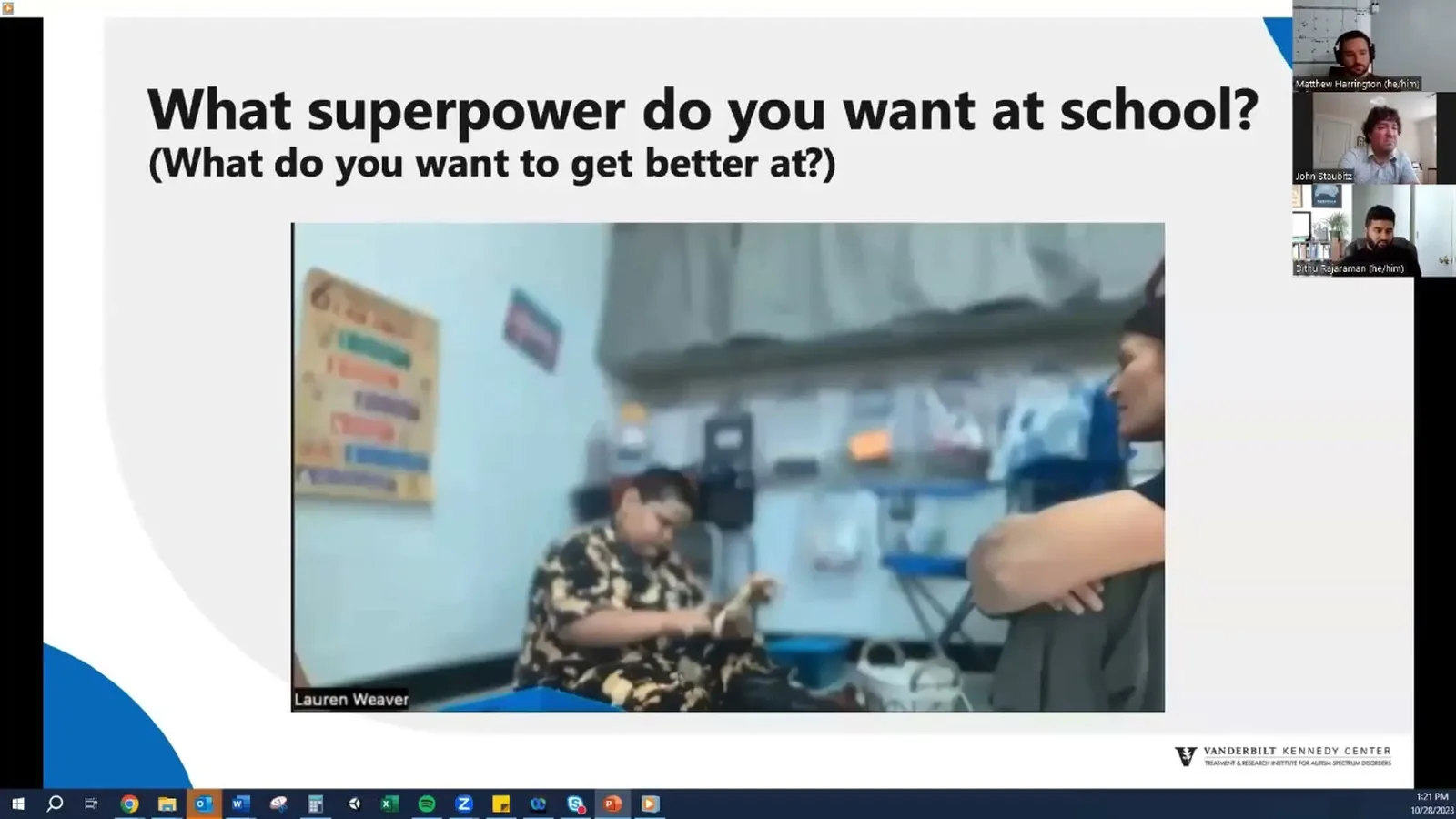
Universal protocols and crisis intervention in schools - Applied 2023
On this page · 7 sections▾
A school restraint reduction plan is an operational document with four sections: a baseline count, a team agreement, a swap in how staff respond to early warning signs, and a monthly report to admin. The numbers driving this page come from a Tennessee grant the Vanderbilt team runs with the state Department of Education, where students with disabilities are restrained 7 times more often and isolated 4 times more often than peers without disabilities. The students in their cases were being held more than two times a day on three-hour campus schedules. After the plan was in place, restraint dropped, suspensions dropped, and the kids got more days back on campus. This page walks through what to actually write in each section so a Board Certified Behavior Analyst (BCBA) can hand it to a school team Monday morning.
What goes into a restraint reduction plan (the 4 sections you need)#
Most plans fail because they read like a behavior plan with restraint language pasted in. A reduction plan is a different document. It has four jobs.
The first job is to name the metric. Pick one number you will move. The cleanest one is restraint episodes per school day. Write it at the top of page one. If the student is also being sent home, add suspension days per month as a second metric.
The second job is to set the baseline. You cannot reduce something you have not counted. The plan says exactly how many days the team will count before changing anything, who is doing the counting, and what counts as one episode.
The third job is to name the swap. The plan says what staff will do differently when they see a precursor. This is the part that breaks most plans. The old habit is to hold a firm line. The new habit is to reinforce the early warning. Write the swap in one sentence so a substitute teacher could read it and act on it.
The fourth job is to set the report. Pick a day of the month when the BCBA will hand admin a one-page summary. Put the date in the plan.
That is the whole shape. Four sections. No appendix. The point of a reduction plan is that anyone on the team can pick it up at 7:45 a.m. and know what their job is by 8.
Borrow the goals language straight from the Vanderbilt team's grant. They list four aims a school district funder agreed to pay for, which means a school board will accept the same language for a single student.
The mission of our contract includes reducing restraint and isolation, mitigating discrepant or illegal practices, increasing access to education, and building capacity relative to planning and implementing evidence-based individualized interventions. From the talk — the Vanderbilt team
Drop that into the goals section of your plan and adapt it to the student's name. Districts respond well to language that sounds like a contract because it is.
Baseline data: what to count for 10 school days before you change anything#
Ten school days is the minimum. Two full school weeks. You need enough days to see a Monday and a Friday and a day when the bus was late.
Count three things in 15-minute partial intervals across the student's entire time on campus. Count physical aggression. Count self-injury if it is in the profile. Count precursors. A precursor is the small thing the student does before the big thing. Standing up. A specific word. A flat tone. The team that knows the student names them. You write them down.
You also want one summary number per day: restraint episodes. That is the number admin will care about. The 15-minute interval data is for the BCBA. The daily restraint count is for the principal.
Despite this extraordinary schedule, placement, and support, he was restrained more than two times daily. From the talk — the Vanderbilt team
A baseline like that is honest, and it is what makes the post-plan number believable. If you skip the baseline, the reduction plan turns into a story, and stories do not survive an IEP meeting with an attorney in the room.
Train the team on the partial interval sheet in one 30-minute session. The Vanderbilt team's case data shows staff can hit precursors in only about 25% of intervals at baseline. That is not a knock on the staff. It is the starting line.
The team meeting that has to happen before week one#
Before any of this runs, the BCBA holds one meeting. Not the IEP meeting. A working meeting with the people who will actually be in the room with the student.
The agenda is short. Read the four sections of the plan out loud. Walk through one example precursor and the new staff response. Ask one question: "What is going to make this hard for you on Tuesday morning?" Write the answers down. Adjust the plan before anyone signs it.
Invite the building administrator for the last 10 minutes. Their job is to say out loud that the staff have permission to follow the plan, including the part where a non-essential demand gets dropped. Staff need to hear that from their principal, not from the BCBA.
A parent gets a separate meeting or a phone call. The plan goes home in writing. If the student is on an Individualized Education Program (IEP), the reduction plan is an attachment to the IEP, not a replacement for it.
Switching the response to precursors (the hardest piece)#
This is the section staff will push back on. Reinforce a precursor. That goes against what every behavior textbook says. The reason it works in a crisis case is that the old response was making things worse, fast. A child who is about to hurt someone is not in a learning state. They are in a survival state. Reinforcement at the precursor gets them out of that state in seconds.
Write the swap in a single sentence the staff can repeat. Something like: "When you see Camden flat-tone or stand up, walk toward him, offer the iPad, and say his name softly." That is what staff need on a sticky note above the desk.
Strip non-essential demands for the first two weeks. Restroom and bus transitions stay. Math worksheets can wait. The point is not to lower the bar forever. The point is to stop the bleeding so the team can build skills on top of safety.
Also write down what staff stop doing. Stop blocking the self-stim that is not dangerous. Stop the firm verbal redirect. Stop the planned ignore during precursors. Three "stops" in writing make it easier for a team to act on them than three "starts."
Reporting progress to admin in a language they actually care about#
Admins do not read graphs. They read sentences with three numbers in them. Your monthly one-pager should fit on one screen and lead with the win.
Open with this kind of sentence: "Last month, restraint dropped from 2.1 per day to 0.3, suspensions dropped from 4 to 0, and campus time went from 3 hours to 5 hours." That is the format. Three numbers. One paragraph.
Below that, put a small line graph of restraint episodes by week. Below that, one quote from a teacher about what is different in the room. Below that, the asks for next month. Done.
In line with the goals of these teams, both DeAndre and Madden saw significant reductions in the daily utilization of restraint. Corollary reductions in suspensions and removals resulted in an increase in the number of days these students were able to be on campus. From the talk — the Vanderbilt team
That chain is the case admin will pay attention to. Restraint down, suspensions down, campus days up. When you put those three together, the conversation about adding hours back to the school day starts to happen on its own.
When restraint goes up before it goes down (and what to do)#
Sometimes the first week looks worse on paper. A team that used to redirect at a precursor and end up in a restraint will, in the new plan, reinforce the precursor and get a quieter rest of the hour. Other teams hit a rough Tuesday because the student is testing whether the new rules are real.
Plan for this in writing before week one. The plan should say: "If restraint episodes rise above baseline in week one, the BCBA does not change the plan. They observe one full school day in person and meet with the team on Friday."
That sentence saves the plan. Without it, a panicked admin asks the BCBA to add a restriction back, the team loses faith, and the plan dies in week two. With it, everyone knows week one is a checkpoint, not a verdict.
Build the feedback loop with the team into the rhythm. Do not just hand a graph at the IEP meeting. Ask the staff what felt acceptable and what did not. The Vanderbilt team's social validity work is clear that asking the team is what makes the plan stick past the BCBA's last visit.
We were able to share the data you have seen today about the reductions in aggression, precursors, and sleeping. We asked about the acceptability of procedures, and to our delight, the school team was pleased with outcomes. From the talk — the Vanderbilt team
Frequently asked questions#
Does a restraint reduction plan need to be added to the IEP?
Yes, attach it. If the student has an IEP, the plan rides as an attachment so it has the same legal weight as the rest of the document. That also means changes to the plan need an IEP team agreement, which is what you want anyway. Districts vary on whether the plan is pasted into the Behavior Intervention Plan section or kept as a separate addendum. Ask the special education director once and use the same format for every student in the district.
What if the parent asks for restraint to be allowed in the plan?
Some parents will. They have watched their child hurt staff and they are scared. Treat it as a request for safety, not a request for restraint. Write the safety section of the plan in detail. Name who responds, where the student goes, and how long it lasts. When parents see the safety part written out, the request to keep restraint usually softens. Keep restraint as a last-resort response that triggers a same-day plan review, not as a planned procedure.
How do you handle one staff member who keeps restraining outside the plan?
This is a coaching problem, not a plan problem. Sit with the staff member, watch one day with them, and walk through what they saw at each precursor. Most of the time they did not see the precursor. Sometimes they did and they did not trust the swap yet. If the behavior continues after coaching, that is an admin conversation about role fit, not a BCBA conversation. Document each coaching session in writing.
A restraint reduction plan is a short document that does a lot of work. Four sections, ten days of baseline, one meeting before week one, and a one-page monthly report. The Vanderbilt team's data shows what happens when those pieces are in place. Watch their full talk for the case footage and the social validity tools the team uses to keep the plan honest.