The Bedtime Pass: a BCBA's Plan for Curtain Calls
How to set up a bedtime pass for a child who keeps getting out of bed, with the Friman protocol and age limits from a BCBA-led CEU.
Key takeaway
The bedtime pass protocol from Pat Friman (1999) gives a child one card to trade for one short trip out of the bedroom after lights out, and Lindsay Anderson is clear that it only fits when the sleep schedule is already right, the child can talk in full sentences, and the child scores under one SD (Standard Deviation) above the mean on a behavior problem checklist.
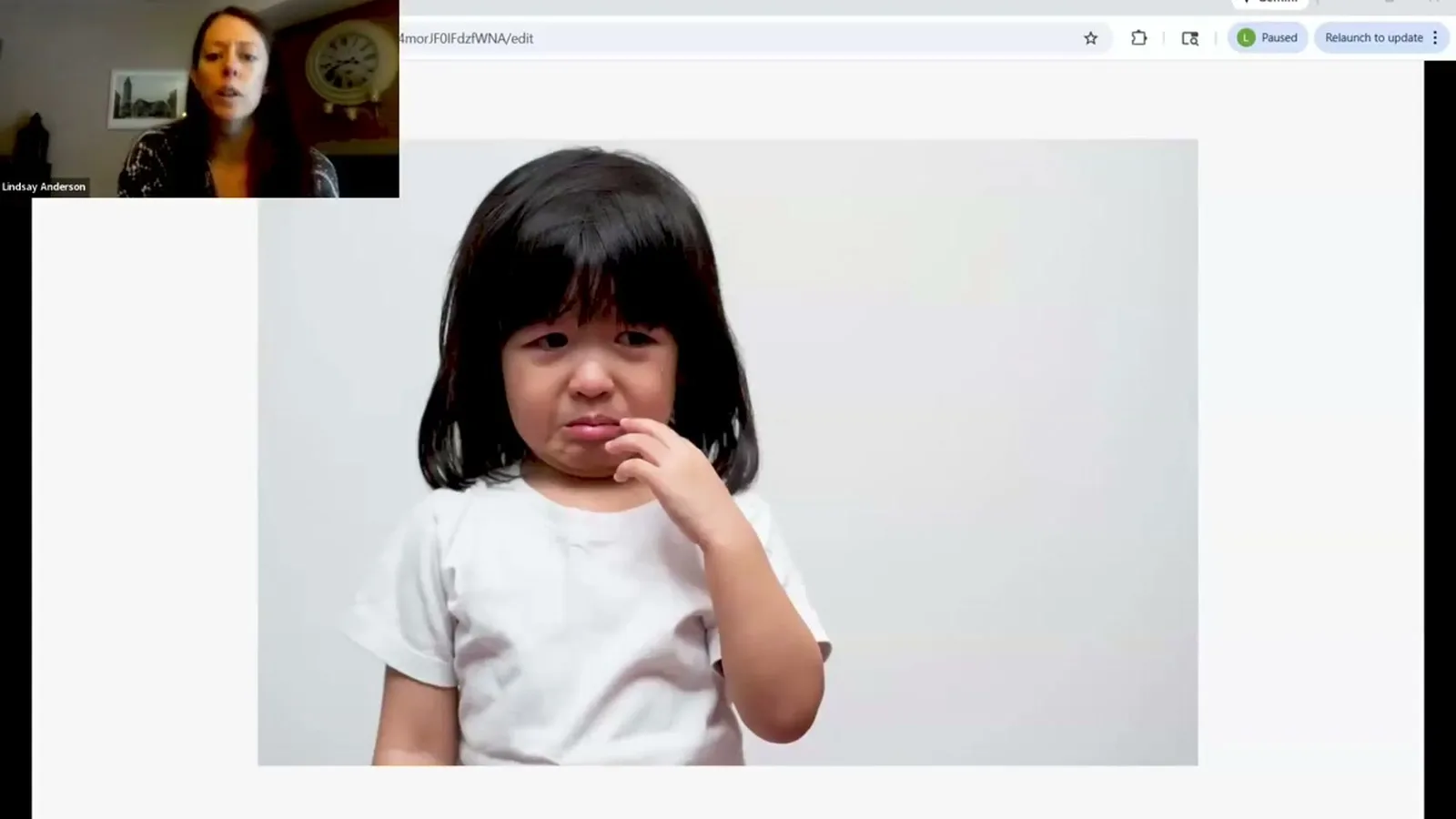
Why Won’t They Go to Bed? A BCBA’s Guide to Effective Bedtime Routines
On this page · 8 sections▾
The bedtime pass protocol from Pat Friman (1999) gives a child one card to trade for one short trip out of the bedroom after lights out, and Lindsay Anderson is clear that it only fits when the sleep schedule is already right, the child can talk in full sentences, and the child scores under one SD (Standard Deviation) above the mean on a behavior problem checklist. Miss any of those three screens and you are setting up a Board Certified Behavior Analyst (BCBA) and a tired family for a plan that will not stick. This page walks through who the pass fits, how to run it at home, two real variations Lindsay shared, what to do when the pass fails, and the backup options to reach for next.
What the bedtime pass is and who invented it#
The bedtime pass is one paper card the child holds at bedtime. The child can trade it for one short trip out of the room. That trip can be a drink, a hug, or the bathroom. After that trip, the card goes back to the parent until morning. Pat Friman built the protocol in 1999. He tested it with two brothers, ages three and ten. Both boys cried and left their rooms a lot at night. Once they got the pass, crying and curtain calls dropped to zero. The change held at a three-week check.
The bedtime pass involves giving kids a pass to exchange for being allowed to come out of their room one time after bedtime for a short specific purpose so maybe getting a drink getting a hug using the bathroom things like that and it was invented by Pat Fryman in 1999. From the talk — Lindsay Anderson
A 2006 replication tried the pass with four three-year-olds. It worked again. The team also did not see an extinction burst, which is the spike in old behavior that often shows up when reinforcement stops.
When the pass works and when it doesn't#
Three screens decide if the bedtime pass is the right tool. Miss any one and pick a different plan.
First, the sleep schedule has to be right for the child's age. If the child is in bed at 8 p.m. but not tired until 9:30 p.m., the pass cannot fix that. You need a faded bedtime first. That means setting bedtime closer to the time the child actually falls asleep. Then you walk it earlier in fifteen-minute steps once they fall asleep fast.
Second, the child has to know how to fall asleep on their own. If a parent has been rocking or feeding the child to sleep, the pass will not teach that skill. You build sleep-onset independence first, then layer the pass on top.
Third, the child needs language. Friman's protocol was tested on kids who could talk in full sentences and follow short directions from parents. A child with lower language might not link the card to the trip. The contingency, the if-then rule that drives the plan, does not land without that language base.
The bedtime pass should only be used when the sleep schedule is right and the child knows how to fall asleep on their own. From the talk — Lindsay Anderson
There is one more screen most caregiver blogs skip. Friman saw weak results in kids who scored one SD (Standard Deviation) or more above the mean on a behavior problem checklist. SD is a stats term. It marks how far a score sits from the average. A score above one SD means the child shows more challenging behavior than about 84 out of 100 kids the same age. For those kids, the pass is likely too thin a tool. Friman also said the pass may not fit kids under three or kids over ten without tweaks.
Dr. Freiman said that he had limited success with kids that score one standard deviation or more above the mean on behavior problem checklists so it probably won't be an appropriate choice for children with those higher levels of behaviors. From the talk — Lindsay Anderson
How to set up the pass at home, step by step#
Once a child passes all three screens, the home setup is simple. Make the steps boring and the same every night.
- Make one card. A note card with the child's name works. Let the child decorate it during the day so they own it.
- Teach the rule before bedtime. Use one or two short sentences. "This is your pass. You can use it one time to come out of your room. You can ask for a drink, a hug, or the bathroom. Then I keep it until morning."
- Run the normal bedtime routine. Tuck in. Hand the card over. Turn the light out.
- If the child uses the pass, walk them through the short request. Then take the card. Bring the child back to bed. Keep talking flat and quiet.
- If the child comes out a second time without the card, walk them back. Do not give a drink, a hug, or any reason they ask for. Stay quiet. No long talks.
- In the morning, hand the card back and reset.
Track two simple numbers. Count how many times the child leaves the room each night. Count how long it takes them to fall asleep. Both should drop within a few nights if the pass is the right tool.
Two variations: multiple passes and morning trade-in#
Lindsay shared two tweaks for kids who need a softer start.
The first is more passes at the start. Hand the child three or four cards on night one. That way the child touches the reinforcer more often and learns the rule by doing it. Each night, drop the stack by one. Land on one pass after three or four nights. This works well for kids who get worked up about new rules.
The second is the morning trade-in. The child holds the card all night. If the card is still in their hand in the morning, they trade it for a small prize. That can be five extra minutes of a show, a sticker, or a favorite snack at breakfast. The morning trade-in flips the plan from a cost to a prize. Some kids respond better to that frame.
You could give kids a higher number of passes at first so that they really contact that reinforcement and slowly fade down to one pass and you could also allow kids to hold on to their pass all night and turn it in the morning for a special treat or activity. From the talk — Lindsay Anderson
You can stack the two. Start with three passes plus a morning prize for any cards left over. Then fade to one card with the morning prize. Then fade the prize.
What to do if the child uses the pass and comes out again#
The hardest moment in the plan is the second trip out. The child has already cashed in the card. Now they are at the bedroom door asking for one more thing. The plan only works if the second trip earns nothing.
Walk the child back to bed. Do not say much. Do not give in to the request. If the child cries, you can sit near the door or use a quick check-in. But you do not give a drink, a snack, a long talk, or a cuddle. Those would reinforce the second trip and break the rule the card stands for.
If the child cries hard or stays at the door, two backup options come in. Camping out means a parent sits in a chair near the bed and slowly moves the chair toward the door over many nights. Time-based visiting means a parent checks on the child on a set clock, like every five minutes, no matter what the child does. Lindsay covered both in her first CEU in this series. They work better than the pass for kids who cannot use language to ask or who get too escalated to follow the contingency.
Better options if the pass isn't a fit#
When a screen fails, swap the pass for one of these.
If the sleep schedule is off, run a faded bedtime. Move bedtime to the time the child actually falls asleep. Hold it for one night of fast sleep onset. Then walk it earlier by fifteen minutes per night until you hit the target. Sleep onset under fifteen minutes is the green light to move.
If the child cannot fall asleep alone, work on sleep-onset independence first. Move feeding or rocking earlier in the routine. Add a clear last step, like a song or a tuck-in line, that is short. Build from there.
If language is too low for the contingency, use camping out or time-based visiting. Both are described in CEU one of this series. They do not need the child to understand the if-then rule of the card.
If the child scores above one SD on a behavior problem checklist, the pass alone is too thin. A BCBA can build a Behavior Intervention Plan (BIP, the written plan that lists the antecedents, replacement skills, and consequence steps) that includes the pass as one piece. But the pass should not be the only tool.
Frequently asked questions#
What age range is the bedtime pass for?
Friman tested the pass with kids ages three to ten. He said the pass may not fit kids under three because the contingency is too abstract for them. Kids over ten often need a richer plan with more steps or a token system that earns bigger rewards over a week. The age band that fits best is roughly four to eight, when the child can hold a card, follow a short rule, and care about the trade.
Do I have to take the pass away if my child cries instead of leaving the room?
No. The pass is a card for leaving the room. Crying in bed is a different behavior. If the child cries but stays in bed, the card stays with them. They can still use it later for a drink, a hug, or the bathroom. If you want to address the crying, plan a short, quiet check-in on a set clock. Do not use the check-in as a chat. Keep it under thirty seconds. Then leave.
Will using a bedtime pass cause an extinction burst?
The 2006 replication of Friman's protocol did not show an extinction burst in any of the four three-year-olds. That is a small sample, so it is not a promise. An extinction burst is the short spike in old behavior that can show up when reinforcement stops. The pass does not pull all reinforcement at once. It gives one chance per night for the trip out. That partial schedule is part of why bursts seem rare. If you see a burst, hold the plan steady. Do not change the rule for a few nights. Then check if the child meets all three screens.
Where to go from here#
The bedtime pass is one tool in a larger sleep plan. It works best when the schedule, the room, and the routine are all set up first. If the family has not nailed those pieces, start there. If the child is screaming through bedtime and cannot use language to ask for things, the pass is the wrong fit and camping out is the next stop.
Want the full bedtime routine framework that the pass sits inside? Watch the CEU below. Lindsay walks through screen time rules, the 65 to 70 degree room target, the language-based routine, and the sleep pressure graph that decides bedtime by age.
Turn this topic into a CEU
You just studied this. Now get credit for it.
Watch Why Won’t They Go to Bed? A BCBA’s Guide to Effective Bedtime Routines with Lindsay Anderson and earn 1 free BCBA CEU. Detailed certificate, delivered the moment you finish.