Social Jet Lag: Why Weekend Sleep-Ins Backfire
A plain guide to social jet lag in ABA. Learn how shifting wake times on weekends disrupts the body clock and causes fatigue and mood problems.
Key takeaway
Social jet lag is a mismatch in your sleep timing. It happens when you wake at one time on workdays and a very different time on weekends.
Why are they Waking up at 2 AM?
Free learning path on this topic
Supervision, Done Right
Four supervision CEUs that build on each other. What reflective supervision is, how to build a supervision system, how to assess supervisee competence instead of counting hours, and how supervision affects provider outcomes. The BACB asks supervisors for three supervision CEUs per cycle. This covers it.
Experts who cover this
2 recordings on openceu cover social jet lag.
- Featured talk1 CEU
Why are they Waking up at 2 AM?
Lindsay AndersonThe Behaviorist Bookclub
Explains social jet lag as circadian disruption from inconsistent wake times (e.g., sleeping in on weekends), which can cause fatigue and mood disturbance even…
- 1 CEU
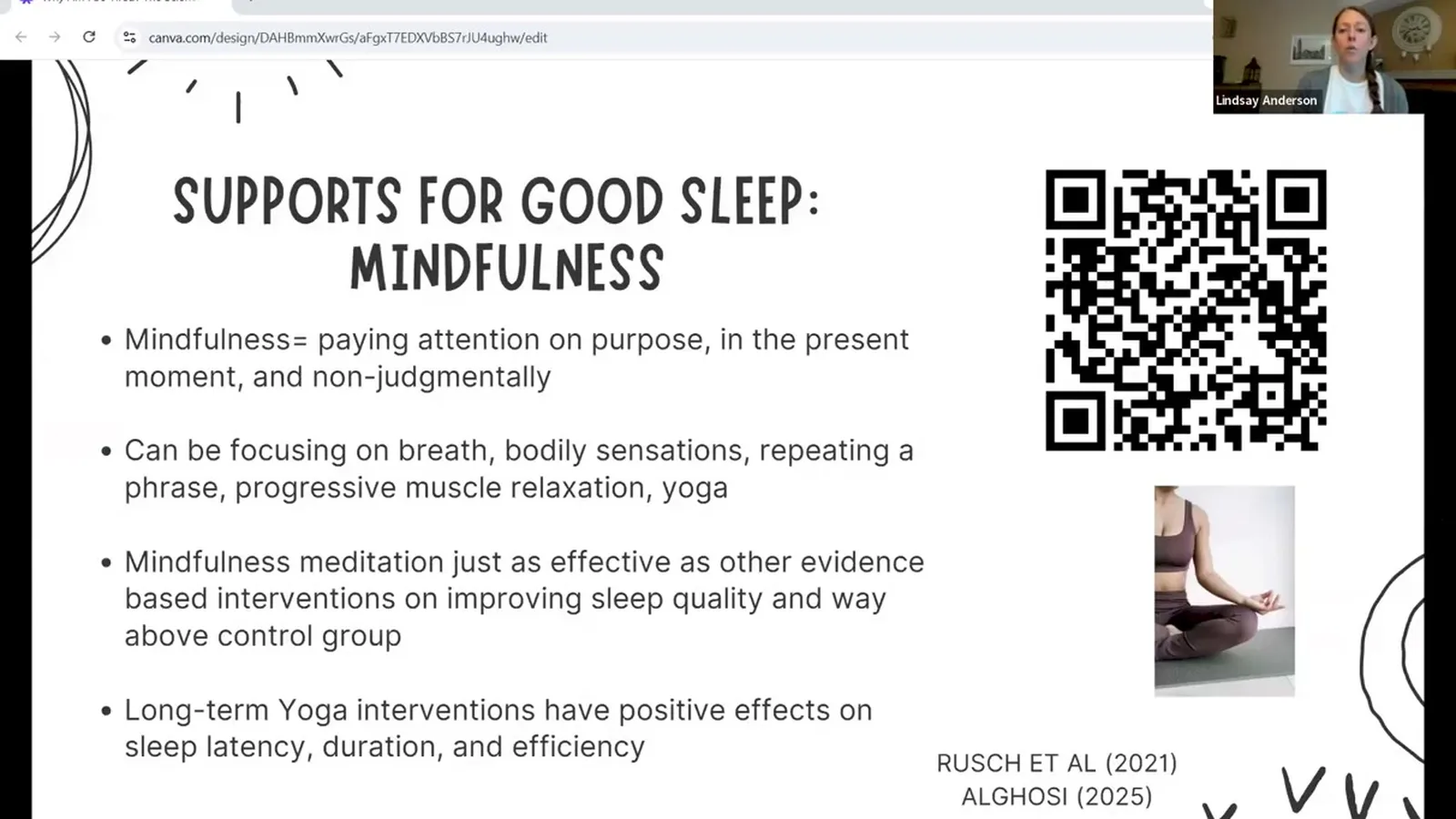
Why Am I So Tired? The Science of Sleep for BCBAs
Lindsay AndersonThe Behaviorist Bookclub
Defines social jet lag as the mismatch between weekday sleep schedules driven by work obligations and weekend catch-up sleep, and links a large gap between the…
On this page · 8 sections▾
Social jet lag is a mismatch in your sleep timing. It happens when you wake at one time on workdays and a very different time on weekends. Your body clock gets confused, much like it does after a real flight across time zones.
The surprising part is that total sleep may not change at all. You could get the same number of hours. But the shifting schedule still leaves you tired and cranky. For BCBAs, RBTs, teachers, and parents, this concept explains why a "restful" weekend can make Monday feel worse.
What social jet lag is#
Your body runs on an internal clock. It expects sleep and wake at steady times. When weekend wake times jump way later, the clock falls out of sync. Lindsay Anderson compares this directly to travel jet lag.
if kids have a very significantly different wake-up time on the weekends than they do on the weekdays, this can lead to something called social jet lag. And that really works very similarly to the jet lag we have when we kind of cross time zones. From the talk — Lindsay Anderson
You do not fly anywhere. Yet the body feels like it did. Sleeping in until 10 AM on Saturday, after waking at 6 AM all week, is a four-hour shift. That is like flying across four time zones and back in two days.
Timing matters as much as duration#
Many people focus only on how many hours they sleep. Social jet lag shows that timing counts just as much. When you sleep can matter more than how long you sleep. Anderson makes this point clearly.
research has shown that the variability in timing impacts sleep just as much, if not more, than that actual duration of sleep. From the talk — Lindsay Anderson
This flips a common belief. Two kids can each get nine hours of sleep. The one with steady times feels fine. The one with wild swings in timing feels drained. The clock cares about consistency, not just the count.
How the weekday-weekend gap forms#
The pattern usually starts with too little sleep during the week. School, work, and early alarms cut the week short. The body then tries to catch up on the weekend. Anderson names this cycle in her talk for BCBAs.
So this sleep deprivation during the week a lot of times leads to the most common pattern of a regularity, which is called social jet lag. From the talk — Lindsay Anderson
The catch-up sleep feels good in the moment. But it widens the gap between weekday and weekend timing. That gap is exactly what throws the clock off. The bigger the gap, the worse the drag.
The symptoms look like real jet lag#
 Advertisement
The effects are not just feeling a little off. They mirror true jet lag. Anderson lists what a large weekday-weekend gap can bring.
But if our weekday and weekend schedules are significantly far apart from each other, this can lead to symptoms similar to regular jet lag, like fatigue, difficulty concentrating, irritability, and sleep disturbances. From the talk — Lindsay Anderson
For a child, these signs can look like behavior problems on Monday. Trouble focusing in class. A short fuse. More meltdowns. The root cause may be a weekend that shifted the body clock, not a bad attitude.
This matters for how we read behavior. A Monday full of hard moments is easy to blame on the child. But the real driver may be timing, not choice. Before you write a behavior plan, check the sleep schedule. A simple timing fix can solve what looks like a behavior problem.
Why this matters for clinicians#
Social jet lag is easy to miss. A parent may report that their child gets plenty of sleep. On paper, the hours look fine. But the timing tells another story.
Ask about wake times, not just total hours. Compare a school day to a Saturday. A gap of two hours or more is a red flag. That gap can drive the very behaviors you are trying to help.
This also applies to the clinicians themselves. Many BCBAs and RBTs run short on sleep during the week. They then sleep in on weekends to catch up. That same pattern leaves them foggy and short-tempered on Monday. Steady timing helps the helper too.
Track the weekday-weekend gap#
You can spot social jet lag with a simple check. Have the family log wake times for one full week. Include both weekdays and weekend days. Then look at the spread between the earliest and latest wake time.
A small spread is healthy. A large spread points to social jet lag. Once you see the gap, the fix is clear. Pull the weekend wake time closer to the weekday one. Small, steady changes work better than one big shift.
How to reduce social jet lag#
The fix is steady wake times. Keep the weekend wake time close to the weekday one. A small shift is fine. Aim to stay within about an hour if you can.
Here are a few simple moves. First, protect enough sleep during the week so there is less to catch up on. Next, set a consistent wake time every day, including weekends. If a child needs more rest, an earlier bedtime beats a late sleep-in. Finally, get bright light in the morning to anchor the clock.
Steady timing pays off fast. Kids feel more alert and even-tempered. The Monday crash fades because the clock never got scrambled in the first place.
Be patient with the change. The body clock shifts slowly, not overnight. Give a new schedule a week or two to settle. Keep the wake time steady even when sleep was rough. Over time, the clock locks in and mornings get easier.
FAQ#
What causes social jet lag? A big gap between weekday and weekend sleep timing. Early alarms shorten the week, so the body catches up on weekends. Sleeping in late shifts the body clock, much like flying across time zones.
Can I have social jet lag even with enough sleep? Yes. Total hours are only part of the picture. If your sleep times swing a lot from day to day, your body clock still falls out of sync. That leads to fatigue and low mood.
How do I fix social jet lag? Keep wake times steady, even on weekends. Try to stay within about an hour of your weekday wake time. Get enough sleep during the week so you do not need to catch up. Morning light helps set the clock.
For a deeper look at sleep science built for clinicians, watch Why Am I So Tired? The Science of Sleep for BCBAs with Lindsay Anderson.
 Advertisement
Turn this topic into a CEU
You just studied this. Now get credit for it.
Watch Why are they Waking up at 2 AM? with Lindsay Anderson and earn 1 free BCBA CEU. Detailed certificate, delivered the moment you finish.
Keep going with a free learning path
Supervision, Done Right
Four supervision CEUs that build on each other. What reflective supervision is, how to build a supervision system, how to assess supervisee competence instead of counting hours, and how supervision affects provider outcomes. The BACB asks supervisors for three supervision CEUs per cycle. This covers it.