Prosocial in ABA: Building Cooperation in Groups
Prosocial is a framework for helping groups work together better. Learn its roots, how it builds cooperation, and why behavior analysts use it.
Key takeaway
Prosocial is a framework for helping groups cooperate. It brings together several fields of science. The aim is simple. Make teams more fair, more productive, and more connected.
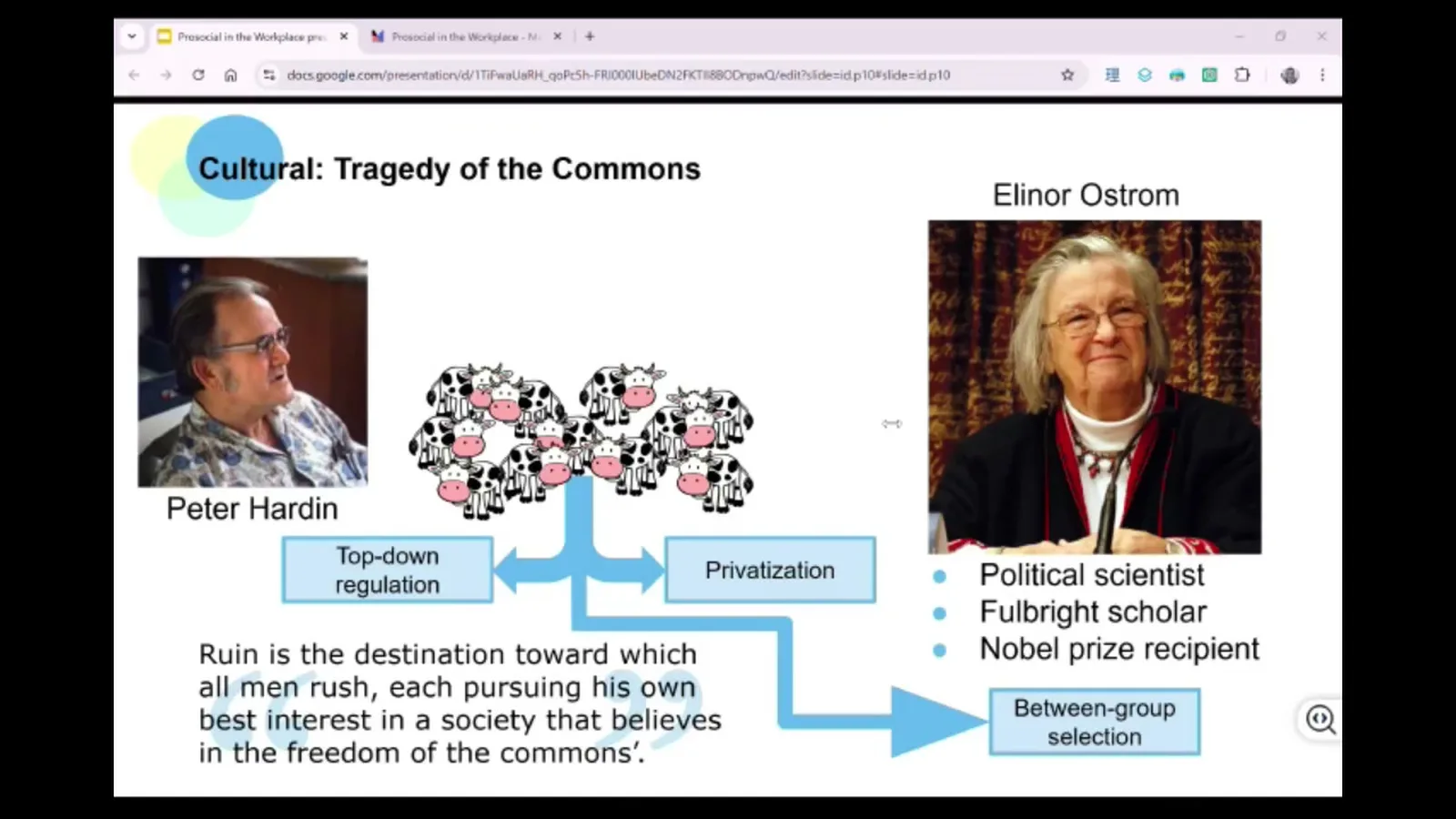
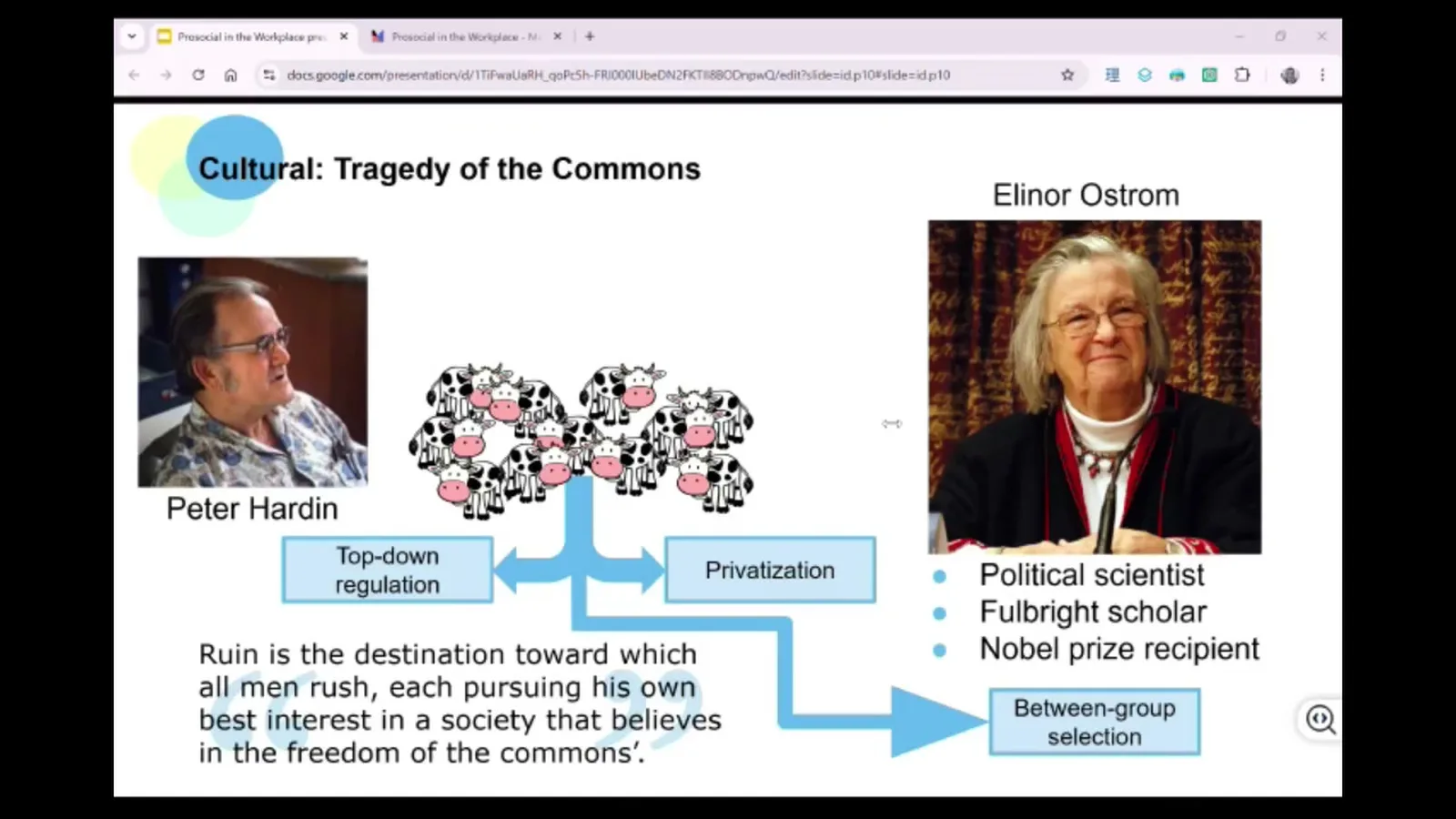
Prosocial in the Workplace
Free learning path on this topic
Supervision, Done Right
Four supervision CEUs that build on each other. What reflective supervision is, how to build a supervision system, how to assess supervisee competence instead of counting hours, and how supervision affects provider outcomes. The BACB asks supervisors for three supervision CEUs per cycle. This covers it.
Experts who cover this
The recording behind this guide covers prosocial aba.
- Featured talk1 Supervision CEU
Prosocial in the Workplace
Jason StaufferThe Behaviorist Bookclub
Presents ProSocial (Wilson, Atkins, Hayes, 2019) as a synthesis of contextual behavioral science, cultural evolution (Ostrom), and multi-level selection theory…
On this page · 9 sections▾
Prosocial is a framework for helping groups cooperate. It brings together several fields of science. The aim is simple. Make teams more fair, more productive, and more connected.
This matters to BCBAs, RBTs, and anyone who leads a team. ABA work happens in groups, not alone. Clinics, schools, and homes all run on cooperation. Prosocial gives a plan for building that cooperation on purpose.
Where prosocial comes from#
Prosocial is not one idea. It is a blend of three. It joins contextual behavior science, cultural evolution, and multi-level selection theory. Jason Stauffer sums the whole thing up in three words.
One way to sum up the idea of pro-social is three words, conscious, cultural, evolution. From the talk — Jason Stauffer
Break that phrase down. Conscious means on purpose, not by accident. Cultural means the shared rules of a group. Evolution means those rules can change over time. Prosocial helps a group shape its own culture with intention.
Why the blend is powerful#
Each field on its own is useful. Together they do something bigger. Stauffer describes the mix as a synthesis. It creates results that no single idea reaches alone.
This combination creates a powerful synthesis leading to increased collaboration productivity and equity in groups. From the talk — Jason Stauffer
Note the three payoffs. Collaboration means people working together. Productivity means the group gets more done. Equity means the benefits are shared fairly. Prosocial aims for all three at once.
Cooperation needs the right conditions#
Groups do not cooperate by luck. Certain conditions make cooperation grow. One key factor is who people choose to work with. Stauffer points to research on this idea.
The evolution and stability of cooperation depends particularly on the ability of those with pro-social preferences to alter their social networks. From the talk — Jason Stauffer
The lesson is practical. People who value cooperation seek out others like them. When they can shape their own networks, cooperation spreads. So groups should let helpful people find each other. That choice keeps cooperation stable.
From theory to team practice#
 Advertisement
Prosocial is not just a theory to admire. It is a working tool for real groups. It gives a team clear steps to follow. Those steps build trust and shared purpose.
The framework often uses a set of core design principles. Groups define their shared goals together. They agree on fair rules and how to hold them. They also decide how to handle conflict. Structure makes cooperation easier to sustain.
For behavior analysts, this is familiar ground. You already shape behavior with clear plans and feedback. Prosocial simply aims that skill at a whole group. The target is the culture, not one person.
Why it fits ABA teams#
ABA teams face real cooperation problems. Staff burn out. Communication breaks down. People pull in different directions. Prosocial offers a shared language for fixing this.
It helps a team name what it values. It helps members hold each other to fair rules. It also builds the trust that hard work requires. A team that cooperates serves clients better.
Turnover is a real pain in this field. Staff leave when they feel unheard or unfair treatment. Prosocial gives people a voice in the rules. That voice can help good staff want to stay.
The framework scales from small teams to large ones. The same principles guide a two-person pair or a whole company. You start with shared purpose and clear agreements. Then you protect them over time.
The payoff reaches past the workplace too. Groups that cooperate well tend to include more people. They welcome different views and share benefits widely. That kind of culture is good for everyone in it.
You can hear the full framework in Prosocial in the Workplace.
The core design principles#
Prosocial rests on a set of design principles. These come from research on groups that thrive. They give a team a clear checklist to follow. Each one makes cooperation a little easier.
A group first names a shared purpose everyone can see. Then it sets fair rules for sharing effort and reward. Members agree on how choices get made together. They also plan how to spot and settle conflict early.
Fair agreements only work if people keep them. So the group builds in ways to notice slip-ups gently. It rewards helpful behavior and addresses harmful behavior. Over time, these habits shape a stronger culture.
Why psychological flexibility helps#
Prosocial leans on a skill called psychological flexibility. It means acting on your values even when it feels hard. This skill helps people cooperate under stress. It keeps a team steady when things get tense.
Flexible people can wait for a bigger, shared reward. They can sit with discomfort for the good of the group. They can also see a problem through another's eyes. Those habits are the soil that cooperation grows in.
So prosocial work often builds this skill first. A team that can handle hard feelings works together better. Then the shared rules and goals have room to take hold. The inner skill and the group structure support each other.
What the research says#
Prosocial behavior connects to family life for autistic children. One study looked at parenting and emotion regulation in children with autism. It found that authoritative parenting linked to better emotion regulation. The prosocial behavior of siblings partly explained that link (Imran, Iftikhar, Arshad, Hassan, & Almusharraf, 2026).
The study also looked at sibling gender. That factor changed how strong the effect was. This suggests family relationships shape prosocial growth. It is a reminder that cooperation is learned in context.
FAQ#
What does prosocial mean?
Prosocial describes behavior that helps others or a group. In this framework, it also names a method for building cooperation. The method blends behavior science with ideas about culture and evolution. The goal is fairer, more effective groups.
What is the Prosocial framework used for?
It helps groups work together better on purpose. Teams use it to set shared goals and fair rules. It builds trust, productivity, and fairness. Behavior analysts use it to improve clinic and school teams.
Is prosocial the same as social skills training?
No. Social skills training teaches one person new behaviors. Prosocial shapes how a whole group works together. It focuses on shared values, fair rules, and cooperation. The target is the group culture, not a single learner.
 Advertisement
Turn this topic into a CEU
You just studied this. Now get credit for it.
Watch Prosocial in the Workplace with Jason Stauffer and earn 1 free BCBA CEU. Detailed certificate, delivered the moment you finish.
Keep going with a free learning path
Supervision, Done Right
Four supervision CEUs that build on each other. What reflective supervision is, how to build a supervision system, how to assess supervisee competence instead of counting hours, and how supervision affects provider outcomes. The BACB asks supervisors for three supervision CEUs per cycle. This covers it.