Extinction Bursts in ABA: What They Are and What to Do
An extinction burst is a short spike in behavior when reinforcement stops. Learn why it happens, when it is risky, and how BCBAs plan around it.
Key takeaway
An extinction burst is a short spike in behavior. It happens right after you stop reinforcing that behavior. The behavior gets worse before it gets better.
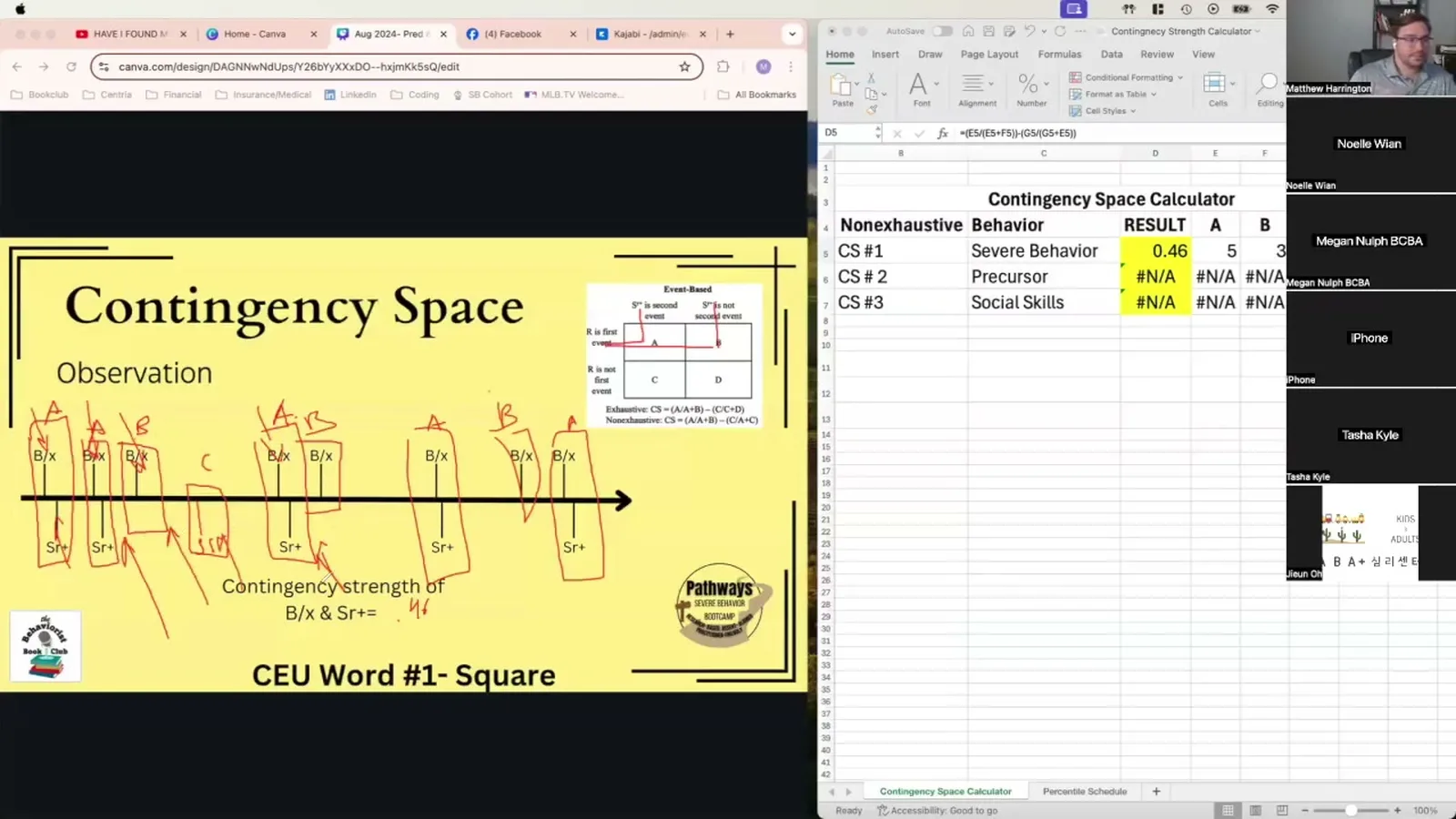
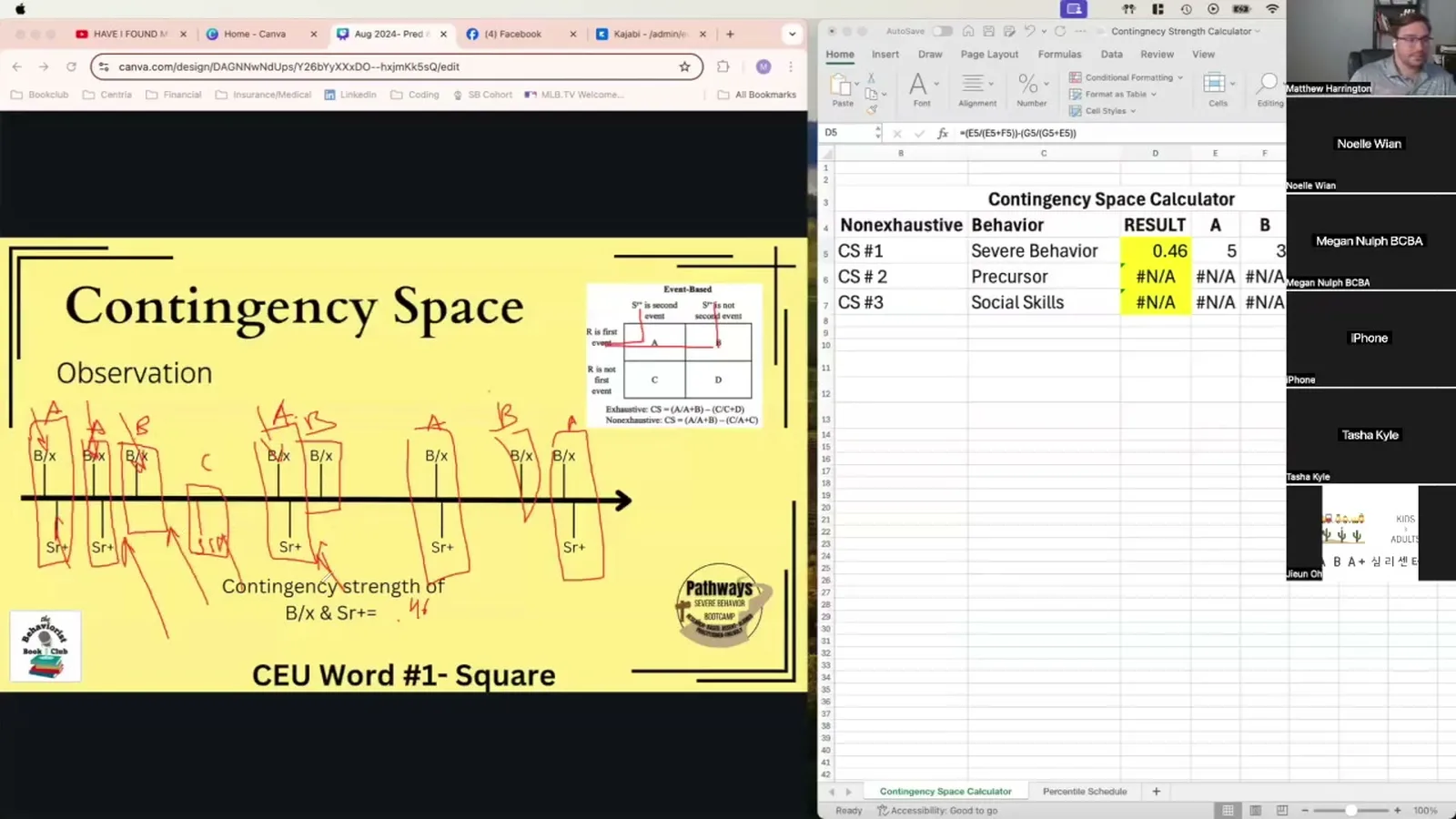
Prediction and Probabilities: Three foundational equations to successful behavior reduction
Free learning path on this topic
Master PFA and SBT
Matt Harrington's 12-article walk through practical functional assessment and skill-based treatment, from Hanley's 2014 study to the enhanced choice model. Then assent, since SBT depends on it, and the ethical guardrails that keep behavior reduction defensible. Five CEUs, one of them ethics.
Experts who cover this
2 recordings on openceu cover extinction burst.
- Featured talk2 CEUs
Prediction and Probabilities: Three foundational equations to successful behavior reduction
Matt HarringtonThe Behaviorist Bookclub
Extinction bursts are framed as the main risk of extinction-based procedures, including DRO, and are the reason Matt reaches for NCR instead when a client's…
- 2.50 CEUs
5 Days of Manding Mastery
Matt HarringtonThe Behaviorist Bookclub
Cited from the Landa prompting-timing study: delaying the prompt after problem behavior (a changeover delay) was more likely to produce an extinction burst…
On this page · 7 sections▾
An extinction burst is a short spike in behavior. It happens right after you stop reinforcing that behavior. The behavior gets worse before it gets better. This can surprise families and staff who expected a quick drop.
Extinction means you no longer give the reinforcer that kept a behavior going. When that reward stops, the behavior often flares up first. BCBAs, RBTs, teachers, and parents all need to plan for this. If you know the burst may come, you can prepare instead of panic.
Why the burst happens#
The burst is a normal part of extinction. The behavior once earned something. When that something stops, the person tries harder to get it back. Think of a vending machine that eats your dollar. You press the button again and again before you give up. The behavior spikes for a short time, then fades.
Researchers think this spike comes from a shift in what competes for a person's effort. When the reward is gone, the old behavior floods back for a while. Its value then drops as the reward keeps not coming. This helps explain why the burst is brief and does not always show up.
A burst can look scary in the moment. The behavior may get louder, faster, or bigger. Families often feel like the plan made things worse. But a short spike is usually a sign the reward is truly gone. The trick is to expect it and hold steady.
The main risk of extinction procedures#
For clinicians, the burst is the big worry. Some procedures lean heavily on extinction. Matt Harrington points to DRO as one example. DRO gives reinforcement for the absence of a behavior, so the behavior itself often hits extinction.
one worry that I always have about DRO is that there's a lot of extinction within DRO, because if a behavior occurs, then oftentimes that client's not going to access reinforcement. And thus, they might hit an extinction contingency that then might lead to an extinction burst. From the talk — Matt Harrington
The risk is not just noise or fuss. A spike in a dangerous behavior can hurt someone. Matt is blunt about the stakes.
If an extinction burst happens, and that behavior spikes in intensity and frequency, we could be looking at a trip to the hospital. And thus, we don't want to risk an extinction burst, so then we use NCR instead. From the talk — Matt Harrington
When to pick a gentler tool#
 Advertisement
Sometimes the setting cannot handle a spike. A client with self-injury is one clear case. In those moments, Matt reaches for NCR. NCR means noncontingent reinforcement, or giving the reward on a set schedule no matter what.
NCR is great as an intervention tool when the environment around you can't sustain an extinction burst. From the talk — Matt Harrington
Sleep is another risky setting. Dr. Emily Ice warns against extinction-only sleep plans. Parents are exhausted at night. They are unlikely to ride out a burst at 2 AM.
don't push for extinction because you're not going to be there to walk through the extinction burst at nighttime when everybody's already tired and it's hard enough. From the talk — Dr. Emily Ice
Prompt timing can trigger a burst#
How you time a prompt matters too. In manding work, the goal is to cut out the challenging behavior. You do not want your teaching step to spark a burst. Matt notes that delaying the prompt sometimes backfired.
We want, wherever we prompt, whether it be following, before, after, wherever, we want it to cut out the challenging behavior and not result in an extinction burst, which the delaying method sometimes did result in an extinction burst. From the talk — Matt Harrington
You can see this timing work in 5 Days of Manding Mastery.
How to prepare for a burst#
Preparation is your best tool. Before you start extinction, warn the family. Tell them a spike may come and that it is normal. A calm family is far less likely to give in mid-burst.
Giving in is the real danger. If the behavior gets the reward during the spike, you teach a worse lesson. The person learns that pushing harder works. So you plan for the burst and stay consistent through it.
Have a safety plan for risky behaviors. Know when a spike is too much for the setting. Pick a gentler tool like NCR when the risk is high. Match the procedure to what the environment can hold.
What the research says#
Extinction bursts are common but not guaranteed. One clinical record review of 108 clients found bursts in about 24% of cases (Muething et al., 2024). The same review found burst size shrank across later sessions. The authors urge clinicians to prepare for a short burst when they use extinction.
Alternative reinforcement can soften the burst. One rat study modeled clinic conditions (Shahan & Avellaneda, 2025). Giving another reward cut the burst's size and how often it showed up. A larger backup reward helped even more. This supports pairing extinction with a strong alternative source of reinforcement.
There is also a theory behind all this. One model suggests the burst comes from the loss of activities that once competed with the target behavior (Shahan, 2022). The theory explains why bursts are brief and why they fade with an alternative reward. It gives clinicians a reason to build in other sources of reinforcement.
FAQ#
How long does an extinction burst last?
A burst is usually short. Behavior spikes early in extinction, then declines as the reward stays gone. Research shows the size often shrinks across later sessions. Still, you should plan for the first spike before you start.
Does an extinction burst always happen?
No. One clinical review found bursts in about 24% of cases. Many extinction plans show no burst at all. You cannot predict it for sure, so you prepare for it just in case.
How can I reduce an extinction burst?
Pair extinction with an alternative reward. Studies show this cuts the burst's size and frequency. Tools like NCR give reinforcement on a schedule so the environment stays safe. This is a common choice when a spike could be dangerous. A burst is not a sign the plan is failing. It often means the old reward is truly gone, and the behavior will fade soon.
 Advertisement
Turn this topic into a CEU
You just studied this. Now get credit for it.
Watch Prediction and Probabilities: Three foundational equations to successful behavior reduction with Matt Harrington and earn 2 free BCBA CEUs. Detailed certificate, delivered the moment you finish.
Keep going with a free learning path
Master PFA and SBT
Matt Harrington's 12-article walk through practical functional assessment and skill-based treatment, from Hanley's 2014 study to the enhanced choice model. Then assent, since SBT depends on it, and the ethical guardrails that keep behavior reduction defensible. Five CEUs, one of them ethics.
Want the primary literature? Read the Extinction Bursts in ABA research roundup on our sister site, Behaviorist Book Club.