Experiential Avoidance in ABA and ACT
Experiential avoidance means escaping your own thoughts and feelings. Learn how it differs from normal avoidance and why it matters in ABA and ACT.
Key takeaway
Experiential avoidance is a way people try to dodge their own inner world. It means fighting off unwanted thoughts, feelings, and memories. The person is not running from a place or an object.
Explore free BCBA CEU courses
Free learning path on this topic
PDA and Demand Avoidance
B. Kuereine Gray's three PDA talks plus Clelia Sigaud on the logic of anxiety. What PDA is and isn't, how to collaborate with caregivers, how to handle complex profiles and replacement behaviors, and why demand-avoidant learners respond the way they do.
Experts who cover this
The recording behind this guide covers experiential avoidance.
- 1 Supervision CEU
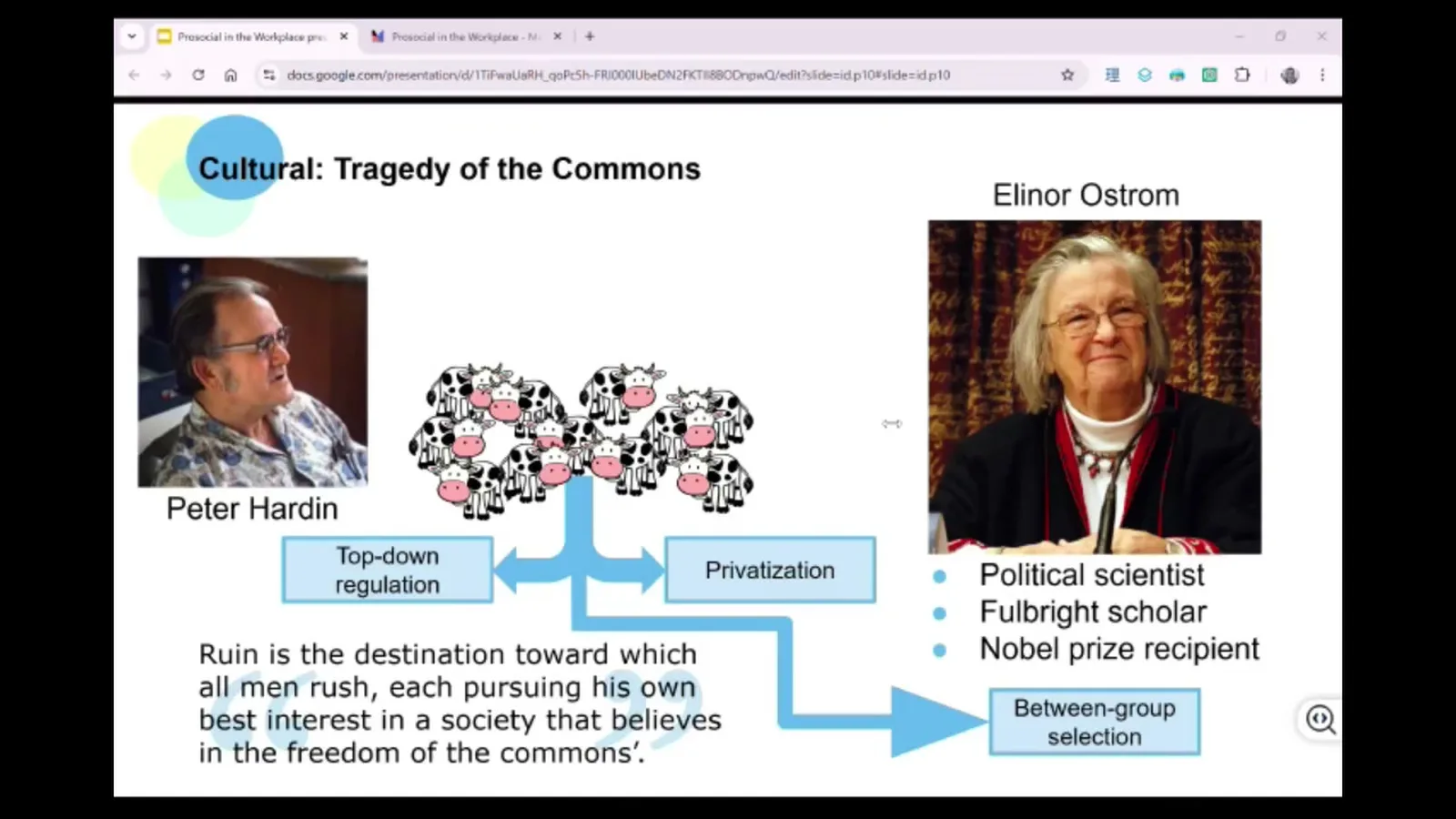
Prosocial in the Workplace
Jason StaufferThe Behaviorist Bookclub
Identifies experiential avoidance, escaping from imagined future threats that haven't happened yet, as a key behavioral barrier that prevents groups from…
On this page · 7 sections▾
Experiential avoidance is a way people try to dodge their own inner world. It means fighting off unwanted thoughts, feelings, and memories. The person is not running from a place or an object. They are running from what happens inside them.
This idea comes from Acceptance and Commitment Therapy, often called ACT. It matters to BCBAs, RBTs, teachers, and parents who see anxiety and distress. When someone avoids their feelings too much, life gets smaller. This page explains what the term means and why it counts.
A different kind of avoidance#
In ABA class, avoidance often means escaping a thing in the room. A child leaves a hard task. A person walks away from a loud sound. Experiential avoidance is not that. Dr. Tom Szabo draws a sharp line.
Acceptance is being willing to have contact with all of life's emotions. The flip of that is experiential avoidance. And that's a very different kind of avoidance than what we typically study in grad school in applied paper analysis. From the talk — Dr. Tom Szabo
So the target is not the desk or the noise. The target is the private feeling that comes with it. Szabo spells out what the person is really trying to escape.
We're talking about avoidance of thoughts and emotions and memories about people, places, and things. So, it's about the private experience of people, places, and things. Not avoidance of people, places, and things. From the talk — Dr. Tom Szabo
This shift matters for how we help. You cannot remove a memory the way you remove a task. The work is about willingness, not escape. That is why acceptance sits at the center of ACT.
Avoiding a future that has not happened#
Humans can suffer over things that are not real yet. We picture bad outcomes and feel the fear now. Then we act to dodge a threat that only lives in our head. Jason Stauffer describes this trap.
There's experiential avoidance. We can imagine future threats, anticipate pain that hasn't happened yet, and construct elaborate what-if scenarios. Then engage in behaviors to escape from things that haven't even happened yet. From the talk — Jason Stauffer
This is a very human problem. Language lets us plan, but it also lets us dread. We build "what if" stories and then hide from them. The escape feels smart in the moment but costs us later.
Acceptance is the flip side#
 Advertisement
The opposite of avoiding your feelings is accepting them. Acceptance does not mean liking pain. It means being willing to feel it without a fight. Stauffer keeps the pairing simple.
Acceptance is the flip side of experiential avoidance. From the talk — Jason Stauffer
You can see why the two are linked. If avoidance shrinks your life, acceptance widens it again. A person who can feel fear can still act on their values. They do not have to wait for the fear to leave first.
This framing helps groups too, not just individuals. Stauffer ties avoidance to why teams struggle to work well together. When people escape imagined threats, they stop cooperating. You can explore that group angle in Prosocial in the Workplace.
Why it matters for practice#
Experiential avoidance can drive many hard behaviors. A person may use food, substances, or self-harm to escape a feeling. On the surface these look very different. Underneath, they can share one job: to make the inner pain stop.
This is useful for a clinician to see. If avoidance is the shared function, you can target it directly. You teach willingness and contact with feelings instead. That gives you one clear path across many problems.
It also changes your goals. You are not trying to erase every hard emotion. You are helping the person carry feelings and still live well. That is a kinder and more workable aim. Feelings will always come and go. What matters is whether they run the person's choices.
What the research says#
Researchers have studied experiential avoidance as a risk factor. One brief intervention taught socially anxious students to accept their feelings before a speech. Those students reported lower avoidance right after the task. This suggests a short acceptance exercise can shift the process.
Avoidance also links to trauma and to problem behavior. One study of trauma survivors found that rumination raised distress partly through avoidance. Another study found that avoidance tied together very different problem behaviors. Both point to avoidance as a shared engine worth targeting.
Weight and eating research shows a similar pattern. One study framed binge eating as a form of experiential avoidance. After a brief acceptance workshop, less avoidance led to less binging. These findings support acceptance-based work across many concerns.
Spotting it in daily work#
You do not need a lab to notice avoidance. It shows up in small, daily choices. A person skips a task that stirs up worry. A parent avoids a topic that brings up guilt.
Watch for patterns that shrink a person's world. The list of "can't do" things keeps growing. Each item ties back to a feeling they dodge. That growing list is a clue worth exploring.
The helpful response is not to force the feeling. It is to build willingness in gentle steps. You help the person hold a feeling and still act. Small wins here can open up a fuller life.
This work also protects the helper. Staff and parents feel avoidance too. Naming it in yourself makes it easier to face. Then you can model the willingness you hope to teach.
FAQ#
How is experiential avoidance different from regular avoidance?
Regular avoidance escapes an outside thing, like a task or a place. Experiential avoidance escapes an inside thing, like a thought or feeling. You cannot remove a memory the way you remove a chore. So the work focuses on willingness, not on removing the trigger.
Is experiential avoidance always bad?
Short-term avoidance is normal and not always harmful. The problem is when it becomes a rigid, main coping style. Then it can shrink your life and feed anxiety or depression. Acceptance offers a more flexible way to handle hard feelings.
How do you treat experiential avoidance?
ACT-based work builds acceptance and willingness to feel. The person learns to hold a feeling without fighting it. Then they act on their values even while the feeling is present. Research shows brief acceptance exercises can lower avoidance. The aim is not to erase hard feelings but to carry them. A person who can carry a feeling gets their life back.
 Advertisement
Keep learning
Earn free BCBA CEUs on openceu
Browse on-demand recordings from verified ACE providers and earn CEUs across autism, ABA, and behavior analysis. Detailed certificate, delivered the moment you finish.
Keep going with a free learning path
PDA and Demand Avoidance
B. Kuereine Gray's three PDA talks plus Clelia Sigaud on the logic of anxiety. What PDA is and isn't, how to collaborate with caregivers, how to handle complex profiles and replacement behaviors, and why demand-avoidant learners respond the way they do.