When to Stop Giving Feedback During RBT Supervision
Once an RBT hits 75% fidelity, more feedback becomes aversive. Here is the research on when to fade it, from a BCBA-led CEU.
Key takeaway
Once your RBT hits 75% fidelity on a task, only 18% of them still want feedback from you. That number comes from Theobodu 2025, and it flips the way most BCBAs (Board Certified Behavior Analysts) think about supervising RBTs (Registered Behavior Technicians).
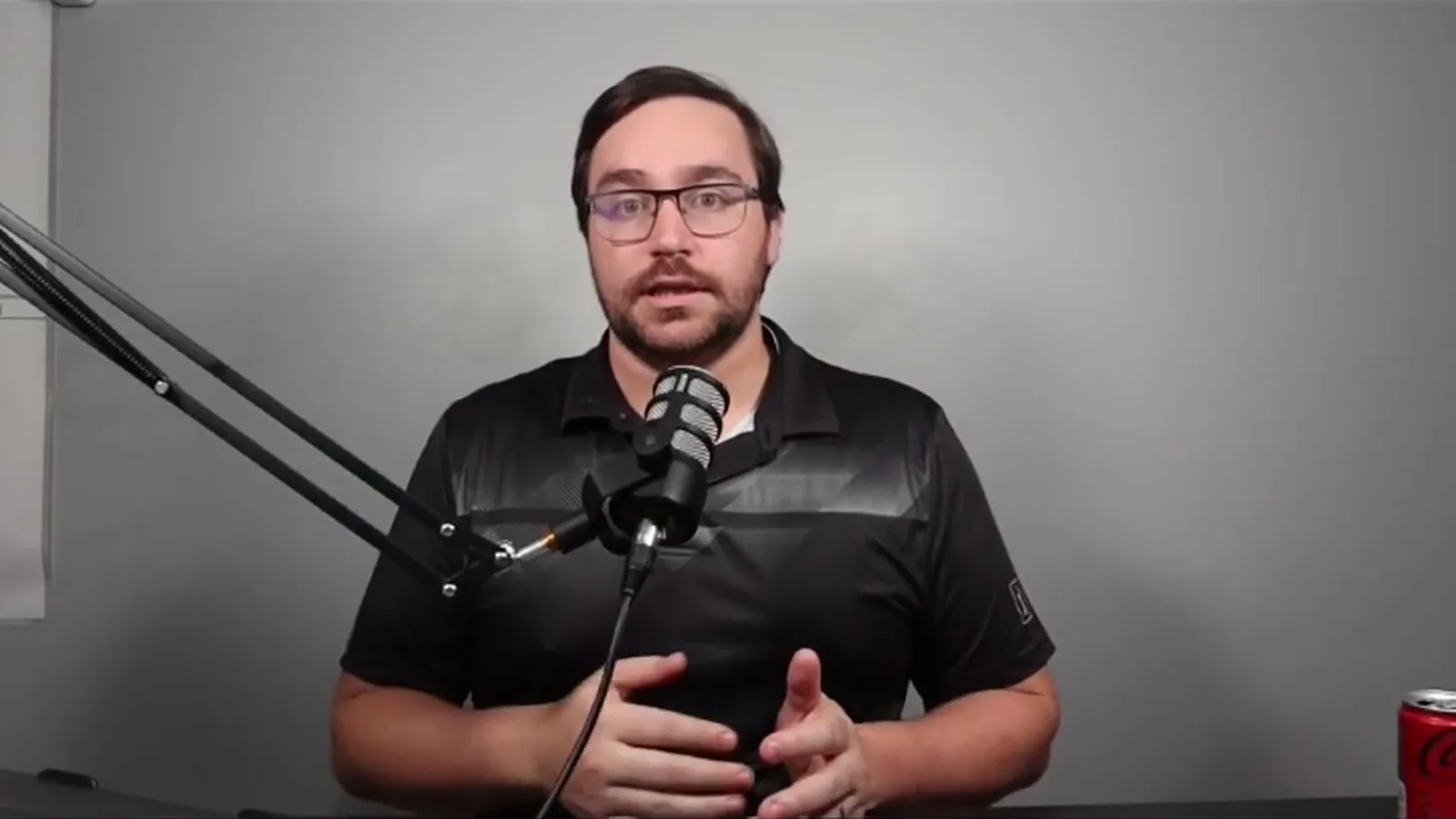
Supervision Articles Deep Dive
Free learning path on this topic
Supervision, Done Right
Four supervision CEUs that build on each other. What reflective supervision is, how to build a supervision system, how to assess supervisee competence instead of counting hours, and how supervision affects provider outcomes. The BACB asks supervisors for three supervision CEUs per cycle. This covers it.
On this page · 8 sections▾
Once your RBT hits 75% fidelity on a task, only 18% of them still want feedback from you. That number comes from Theobodu 2025, and it flips the way most BCBAs (Board Certified Behavior Analysts) think about supervising RBTs (Registered Behavior Technicians). The common move is to keep coaching until the RBT hits 100%. The data says that is the moment your feedback starts to feel like a punishment.
This page is about when to stop. If you supervise RBTs and you want to know the cutoff where your feedback stops helping and starts hurting, you are in the right place. We cover the fluency curve (the speed and accuracy with which someone performs a skill), the 80% rule, the swap from feedback to the "why" conversation, and where to load feedback in earlier so you do not need to dose it later.
The Theobodu 2025 fluency curve in plain English#
Theobodu and team asked a simple question. When people are learning a skill, at what level of mastery do they actually want a coach to give them feedback? They broke the answers into three bands based on how many steps of the task the learner got right.
The shape of the curve is the whole story. At the low end, almost everyone wants help. In the middle, most still do. At the high end, the appetite falls off a cliff. This is not a small dip. It is a sharp drop.
That matters because it lines up with how an RBT actually feels in session. Early on, they know they are figuring it out and they want a second set of eyes. Once they think they have it, they stop wanting your voice in their ear. Whether or not they are actually at 100% fidelity is a different question. What changes is their want for feedback.
Once you went 75% to 100%, once they mentally crossed that mind of, okay, I know what we're doing, there was a sharp drop. It was only 18% request for feedback at that point. From the talk — Matt Harrington
Below 50%: feedback is requested, deliver it#
If your RBT is hitting fewer than half the steps of a protocol, over 90% of learners in this band want feedback. That is the easy zone. They know they do not know it yet. They are looking at you. Give it to them.
Two practical notes for this band. First, keep your feedback specific to the step they missed, not the whole run. They cannot fix five things at once. Second, deliver it close to the moment. The longer the gap between the run and the coaching, the worse the learning. This is the band where coaching pays back the most for the least friction.
This is also the band where most BCBAs already do fine. The risk is not under-coaching here. The risk is staying in this mode after the RBT has moved on.
50 to 75%: feedback is still wanted but the appetite drops#
Once your RBT is hitting half to three quarters of the steps, about 78% still want feedback. That is the middle band. Still a strong majority. Still worth giving. But the slope is starting to bend.
This is where you start watching their face and their behavior more carefully. Are they asking what they got wrong? Are they trying it again before you say anything? Those are signals that they are starting to self-coach. When that starts, you can shorten what you say. One line of feedback in this band beats a paragraph.
A small move that works in this band: ask before you tell. "Want me to share what I noticed, or do you want to try the next one first?" If they say try first, let them. You are training them to read their own performance, which is what you actually want by the time they are working unsupervised.
75 to 100%: feedback becomes aversive and your RBT tunes out#
Here is the band that should change what you do. Only 18% of RBTs above 75% fidelity want more feedback. That means 82% of the time, your feedback is landing on someone who did not ask for it. In behavior analysis terms, that puts your feedback into the punishing function, not the supporting function. They are not learning more. They are learning to dodge you.
You will see this play out as classic escape behavior. The RBT nods faster. Cuts the conversation short. Stops making eye contact during the debrief. Starts saying "got it" before you finish. None of that means they actually got it. It means your voice has become something they want to make stop.
If you're just giving feedback after the preference for feedback goes away, then that means there's a preference away from feedback, which means you're now providing an aversive stimulation. Make sure that the person giving feedback understands that their role isn't just to take things and audit and say you're doing things wrong, but to provide support as needed. From the talk — Matt Harrington
The fix is not to stop caring about that last 25%. The fix is to swap the tool. Feedback was the right tool for 0 to 75%. It is the wrong tool for 75 to 100%.
What to do instead of feedback after 80% fidelity (the "why" conversation)#
The 80% mark is a clean line for your Monday morning brain. Once your RBT is hitting four out of five steps, change the conversation. Stop telling them what to fix. Start telling them why the last 25% matters.
The "why" conversation sounds different from feedback. Feedback is "you did X, try Y." Why is "here is what is going on under the hood with this kid when you get this step right." Why opens up the technical layer that an RBT does not usually get from a BCBA. It is also a conversation they actually want, because it makes them feel like a thinking part of the case, not a body running a checklist.
Instead of just saying, here's the thing, go do it. Now start talking about why this last 25% is important. Because they probably know why going from 0% to 75% fidelity was important. But now start talking about the more intricate principles of behavior analysis we're dealing with here. Specifically, it's probably going to be intermittent reinforcement. From the talk — Matt Harrington
Intermittent reinforcement (reinforcement delivered on a schedule, not after every response) is the most common reason that last 25% slips. The RBT runs the protocol the same way every time, but the kid does not get reinforced every time on purpose. That looks like the RBT did something wrong unless they know the schedule is designed that way. Walk them through it. That is the conversation that gets you to 100% without the sandbagging.
A second move that works at this stage: ask them to teach you the step. If they can teach the why of step seven back to you, they own it. If they cannot, you found the gap without having to give a single piece of feedback.
Front-loading feedback into modeling and role play instead of after#
If the back half of the curve is feedback-shy, the front half is feedback-hungry. That is your lever. The earlier you can get feedback into the training, the faster you climb the curve, and the less you need to ride them at the top.
In BST (Behavior Skills Training, the four-step model of instruction, modeling, rehearsal, and feedback), most clinics treat feedback as the last step. You watch them run it, then you tell them what to fix. Flip that. Build feedback into the modeling step and the role play step.
Feedback might need to be much earlier on in the process, maybe during the modeling and role play. So instead of just modeling, now it's modeling plus feedback. Instead of just role play, it's role play plus feedback. From the talk — Matt Harrington
What that looks like in practice: when you model the protocol, narrate the choices out loud. "I am pausing here for three seconds because the prompt level is being faded." That is feedback before the RBT has done anything wrong yet. Same thing in role play. Stop them mid-run when the choice point comes up. "Right here, what are you going to do if they reach for the wrong card?" Coach the answer before they have to make it.
You will feel the difference downstream. RBTs who got feedback woven into modeling and role play hit the 75% band faster. Because they hit it faster, you spend less of your supervision life trying to deliver feedback to someone who no longer wants it.
Frequently asked questions#
How often should a BCBA give feedback during a 1-hour RBT supervision?
There is no fixed number. The rate should track the RBT's current fidelity band, not the clock. If they are below 75% on what you are observing, lean in and coach the missed steps in the moment. If they are already running it cleanly, one short debrief at the end is enough, and most of that should be why, not what. If you find yourself giving more than three pieces of corrective feedback to an RBT at 80% plus, you are probably outside what they want and what helps.
Is positive feedback still useful after an RBT reaches mastery?
Yes, but the form should change. Short, specific praise tied to a concrete decision still works ("nice call holding the prompt for three seconds before delivering"). Vague praise like "great job today" wears out fast and starts to feel like filler. After mastery, the highest-value reinforcer from a BCBA is usually trust, not praise. Letting them run the session without you hovering tells them you see the mastery. That lands harder than a compliment.
How do you fade BCBA feedback without losing treatment fidelity?
Two pieces. First, before you fade, build the "why" conversation into your supervision so the RBT can troubleshoot drift on their own. Second, fade your direct feedback but keep your data check. Pull fidelity data on the same protocols at the same cadence even when you have stopped coaching them in the moment. If the data slips, you have an objective signal to step back in. That keeps you out of the aversive zone without flying blind.
You watched the talk. Now run it on Monday.#
The cutoff is 75%. The tool swap is feedback to why. The front-load is feedback inside modeling and role play. Try it on one RBT this week and see what their face does at the debrief. If you want the full Theobodu walkthrough and the rest of the supervision articles deep dive, the recording is here.
Turn this topic into a CEU
You just studied this. Now get credit for it.
Watch Supervision Articles Deep Dive with Matt Harrington and earn 3.5 free BCBA CEUs. Detailed certificate, delivered the moment you finish.
Keep going with a free learning path
Supervision, Done Right
Four supervision CEUs that build on each other. What reflective supervision is, how to build a supervision system, how to assess supervisee competence instead of counting hours, and how supervision affects provider outcomes. The BACB asks supervisors for three supervision CEUs per cycle. This covers it.