Release of Information in ABA: A Practical Guide
A release of information lets you share client details with other providers. Learn how to get one the right way and use it ethically in ABA care.
Key takeaway
A release of information is a signed form. It gives you permission to share client details with other people. Those people might be a pediatrician, a teacher, or a speech therapist.
Dunder Mifflin’s Guide to BCBA Ethics: Lessons from The Office
Free learning path on this topic
Your 4 Ethics CEUs, Done
Four ethics CEUs in three courses, all free. Start with Matt Harrington's assent and data course, then ethical guardrails in behavior reduction, then cultural considerations in clinical practice. Every course carries ethics credit, so this path covers the BACB requirement with nothing to buy.
Experts who cover this
3 recordings on openceu cover release of information.
- Featured talk1 Ethics CEU
Dunder Mifflin’s Guide to BCBA Ethics: Lessons from The Office
Mellanie PageThe Behaviorist Bookclub
Uses an Office confidentiality scene to discuss BACB ethics code 2.03, arguing confidentiality gets sticky when a clinician believes sharing information could…
- 1 CEU
Stronger Together: Care Collab
Matt HarringtonThe Behaviorist Bookclub
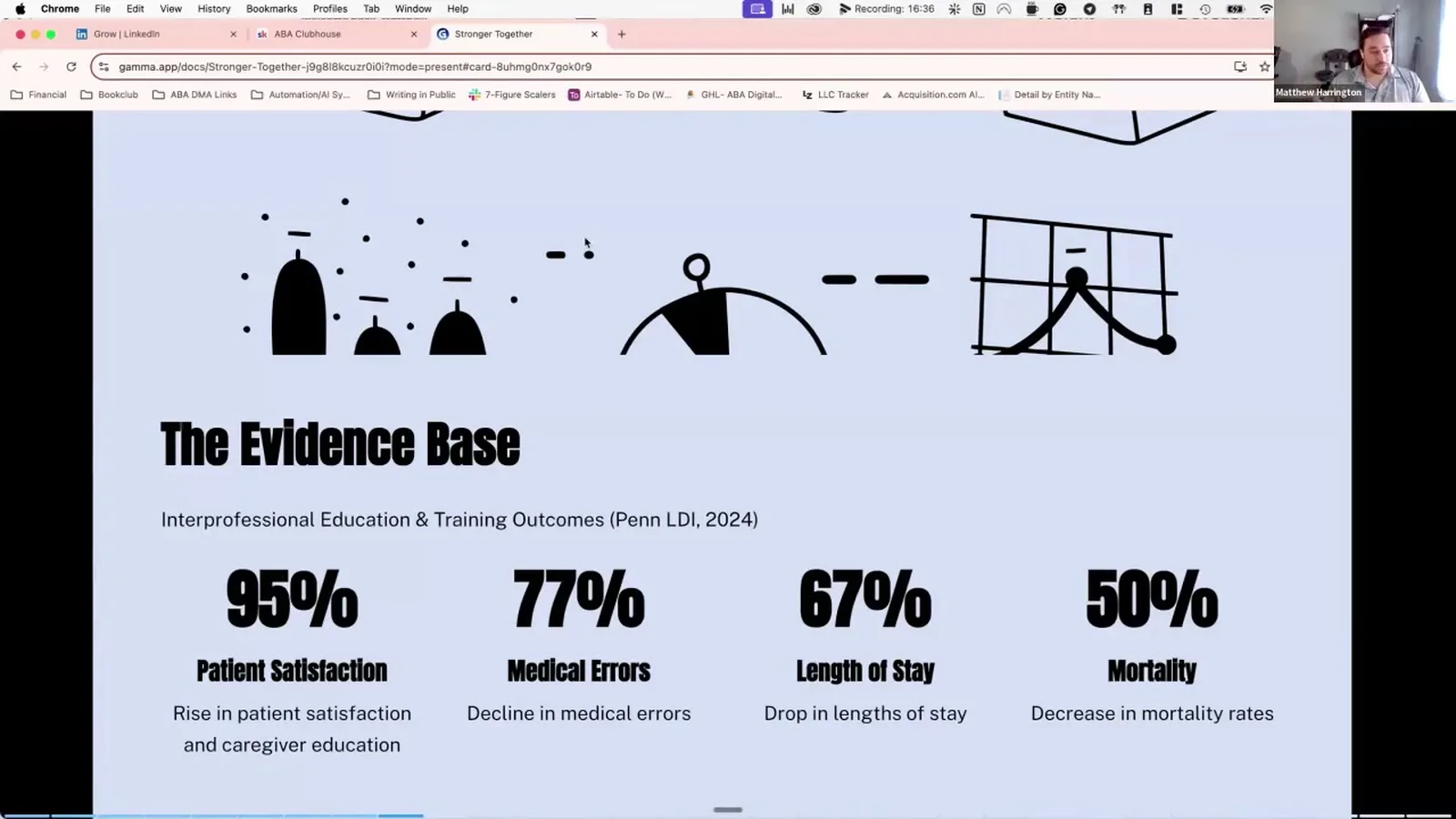
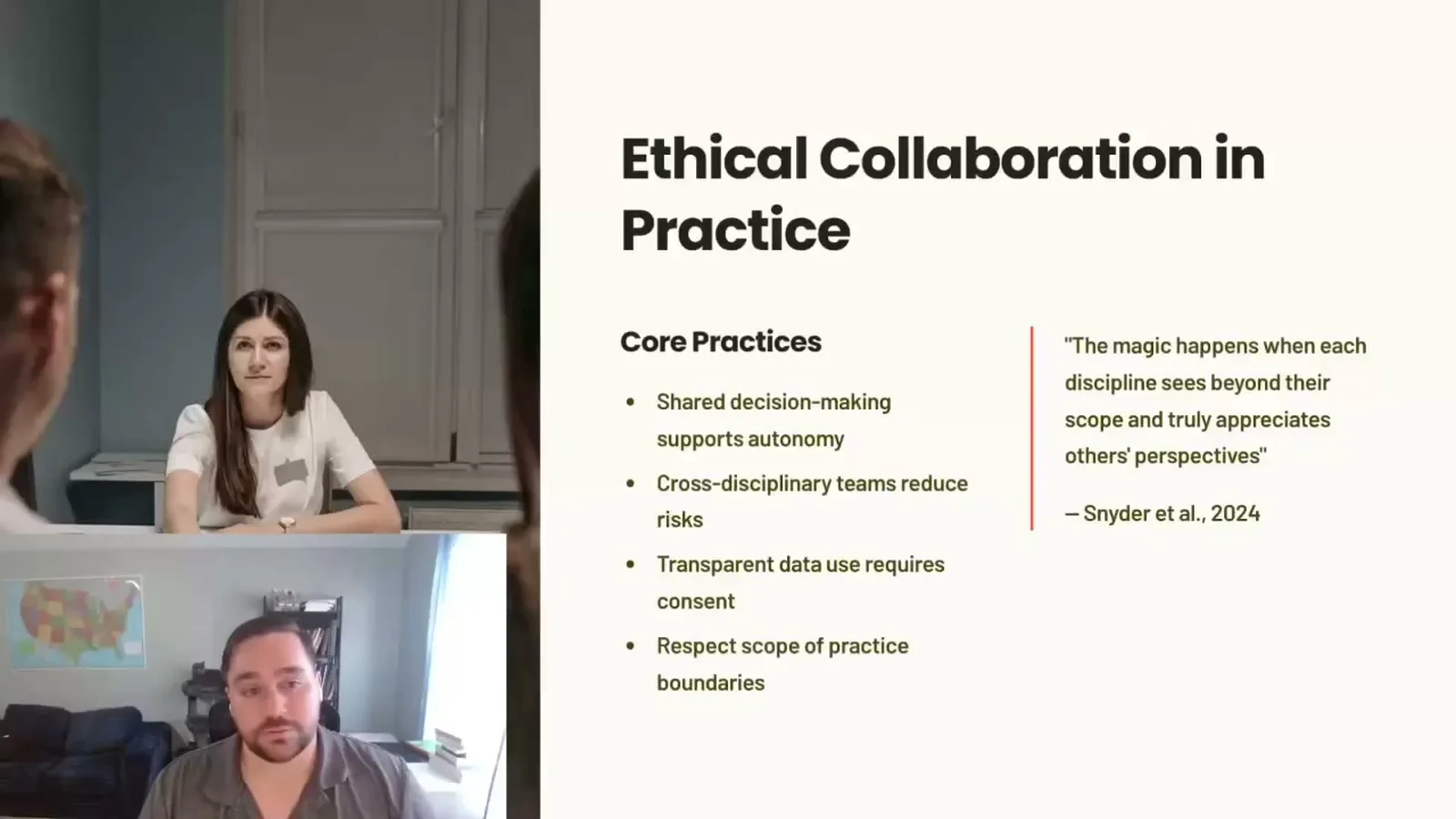
Matt covers how to obtain and use a release of information ethically and practically, recommending a dedicated conversation with caregivers about what is…
- 1 CEU
New Year, New Care Collab Goals
Matt HarringtonThe Behaviorist Bookclub
Framed as the ethical prerequisite that must be confirmed before any collaboration meeting, and as the opening line of every outreach script to a new provider.
On this page · 6 sections▾
A release of information is a signed form. It gives you permission to share client details with other people. Those people might be a pediatrician, a teacher, or a speech therapist. Without it, you cannot legally talk about the client with anyone outside your team.
This form matters more than it looks. It protects the client's privacy. It keeps you inside HIPAA and the ethics code. And it opens the door to real teamwork with other providers. Every good care collaboration starts here, so it is worth getting right.
What a release of information actually does#
The form gives you a legal green light. It names who you can talk to and what you can share. Once it is signed, you can trade notes with a doctor or a school. Before it is signed, your hands are tied.
Think of it as the first brick. You lay it before you build anything else. The form is not just paperwork. It is the ethical base for every conversation that follows.
A release usually names a few things. It names the client. It names the other provider or agency. It says what kind of information you can share. Some forms also set a time limit or an expiration date. You should know these details before you use the form.
Matt Harrington puts the rule plainly when he sets up a collaboration talk. Nothing happens until the paperwork is done.
release of information forms always have to be in place. Make sure we're honoring HIPAA. For the rest of the presentation, I'm going to assume that we have the correct documentation in place From the talk — Matt Harrington
Notice the order. The form comes first. The work comes after. You never flip that around. If you are not sure the release is active, you check before you make a single call.
Get consent the respectful way#
 Advertisement
Many clinics bury the form in a huge intake packet. The caregiver signs page after page. They never really read the release. That is a weak way to get consent. The signature is there, but the understanding is not.
A better way is a real conversation. Sit with the caregiver. Explain what you want to share and why. Name the providers you hope to reach. Let them ask questions. This treats consent as a choice, not a formality.
instead of hiding your roi at the bottom of a 17 page docu sign putting it either at the front or preferably having a separate conversation From the talk — Matt Harrington
A separate talk has other benefits too. The caregiver feels respected. They learn what collaboration will look like. They can set limits on what they want shared. That trust pays off later when the plan gets hard.
Consent also is not a one-time event. Families can change their minds. They can pull a release or narrow it. You honor that. Good consent is an ongoing relationship, not a single signature.
Share only what is needed#
A signed form does not mean you share everything. You still limit what you say. This rule is called minimum necessary. You give other providers only the parts they truly need.
Focus on the big picture first. What are the shared goals? How are you getting there? Keep the detail tied to those outcomes. A pediatrician rarely needs your full session notes. They need the goals and the plan.
once you have that roi you're... you have the ability to share with other providers now we can step into what is relevant so we always focus on broad strokes what are our agreed upon outcomes and then how we're getting there From the talk — Matt Harrington
This keeps the client safe and the talk useful. You share enough to help. You hold back the rest. That balance is the heart of good collaboration.
Confidentiality is the default#
The ethics code tells us to guard client information. Sharing is the exception, not the rule. Mellanie Page frames this as a strong duty for every behavior analyst.
We are advised and commanded, essentially, to keep information confidential. From the talk — Mellanie Page
This gets tricky when you believe sharing could help the client. The urge to help is strong. You might feel sure that another provider needs to know something. But you still wait for permission first. Good intentions do not replace consent.
When you do share, trim the details. Use client initials. De-identify records when you can. Say only what the situation calls for. These small habits protect the client every time.
Limiting the disclosure. So we talked about using initials and some other suggestions to make sure that we are not sharing more than we need to. And de-identifying information. From the talk — Mellanie Page
When you are unsure, ask for help. Talk to your supervisor before you disclose. A quick check can prevent a real ethics problem.
Use the form to open collaboration#
Once the release is active, you can reach out to other providers. A clean outreach script saves time. Lead with the release so the other office knows you are cleared to talk. In your first sentence, say the release is on file. Then name who you want to collaborate with.
Keep the first ask small. You do not need an hour on the calendar. Confirm the release is active, then book a short first call. Fifteen minutes is plenty to start the relationship. Small steps build strong partnerships over time.
Matt walks through this whole collaboration flow in New Year, New Care Collab Goals. He treats every step of the process with the same care.
FAQ#
What is a release of information in ABA?
It is a signed form from the caregiver. It lets you share client details with named people outside your team. That could be a doctor, a school, or another therapist. Without it, you cannot legally discuss the client with them.
Is a release of information the same as informed consent?
No, they work together but are not the same. Consent is the caregiver agreeing to treatment and to sharing. The release is the paperwork that records permission to share. You want both in place before you collaborate.
How much can I share once I have a release?
Share only what the other provider needs. This is the minimum necessary rule. Focus on shared goals and how you are reaching them. Use initials or de-identified notes when you can.
 Advertisement
Turn this topic into a CEU
You just studied this. Now get credit for it.
Watch Dunder Mifflin’s Guide to BCBA Ethics: Lessons from The Office with Mellanie Page and earn 1 free BCBA CEU. Detailed certificate, delivered the moment you finish.
Keep going with a free learning path
Your 4 Ethics CEUs, Done
Four ethics CEUs in three courses, all free. Start with Matt Harrington's assent and data course, then ethical guardrails in behavior reduction, then cultural considerations in clinical practice. Every course carries ethics credit, so this path covers the BACB requirement with nothing to buy.