Individualized Programming: No Cookie Cutters
Individualized programming means each client gets a plan built for them. Learn why cookie cutter goals fail and how BCBAs design better plans.
Key takeaway
Individualized programming means each client gets a plan built just for them. No two learners get the same copy-paste goals. The plan starts from that one person's needs and motivation.
Child Development Deep Dive: Early Childhood (2-5 year olds)
Experts who cover this
2 recordings on openceu cover individualized programming aba.
- Featured talk1 CEU
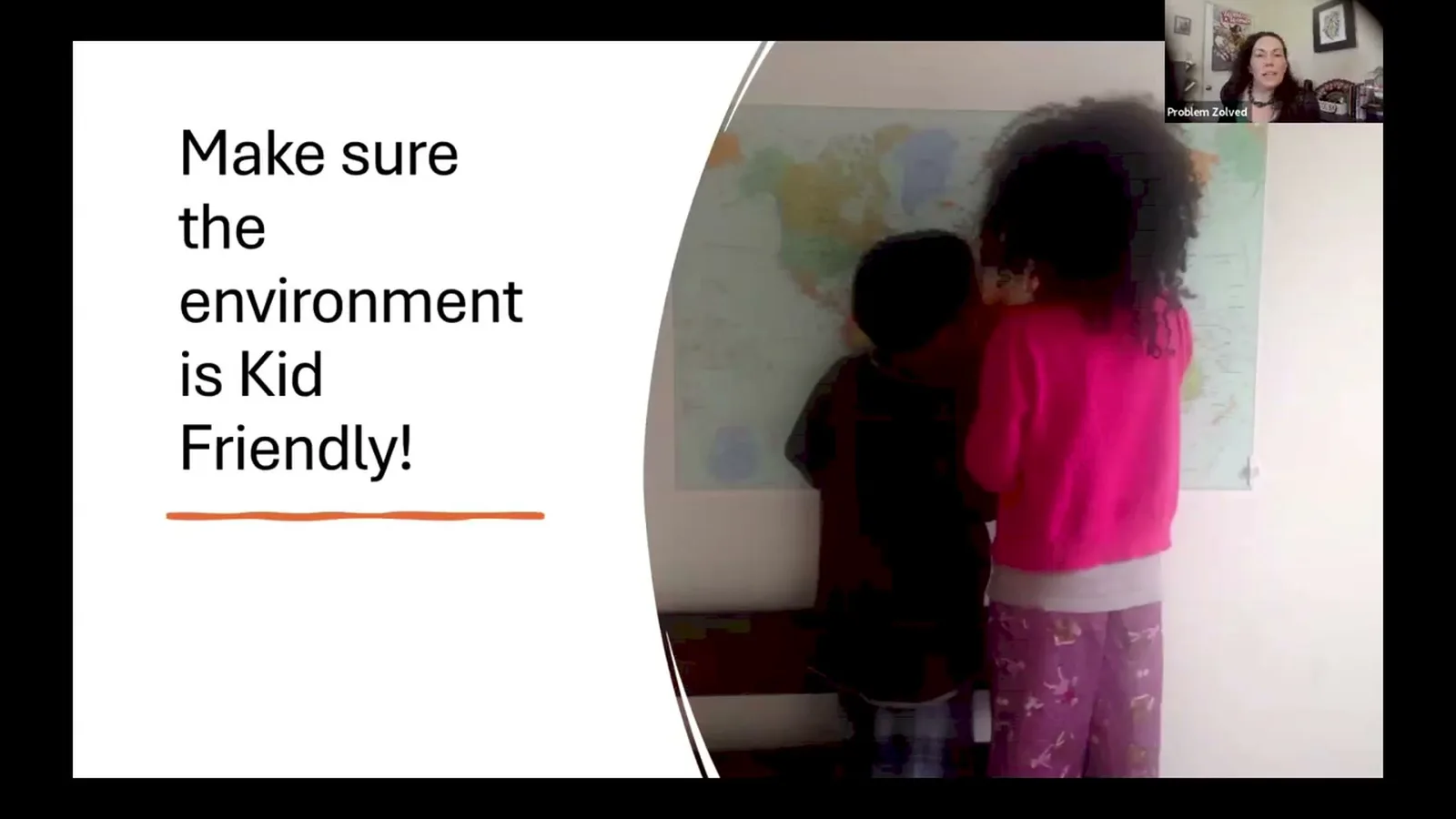
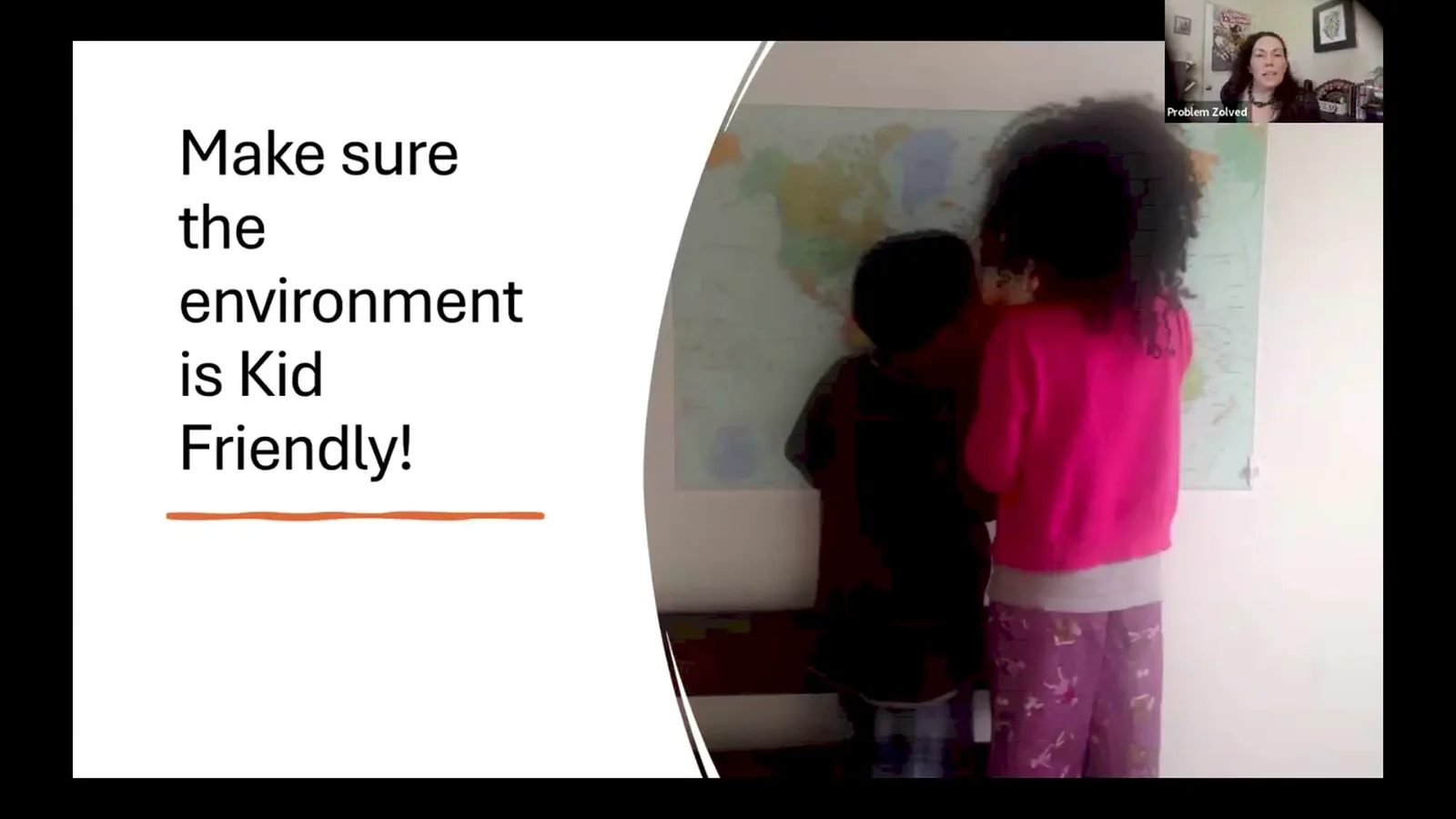
Child Development Deep Dive: Early Childhood (2-5 year olds)
Kelly BrzakThe Behaviorist Bookclub
Kelly warns against 'cookie cutter' one-size-fits-all programming, insisting each child's intervention plan must be individually designed to meet their unique…
- 1 CEU
Child Development for BCBAs- Age 9-11
Kelly BrzakThe Behaviorist Bookclub
Kelly repeatedly warns against choosing goals or assessments by a child's age alone, citing Sundberg and Partington to argue every learner's plan must be built…

On this page · 8 sections▾
Individualized programming means each client gets a plan built just for them. No two learners get the same copy-paste goals. The plan starts from that one person's needs and motivation.
BCBAs, RBTs, and teachers hear this word a lot. It sounds obvious, yet it is easy to skip. This page shows why one-size-fits-all plans fail so often.
Every learner is a unique individual#
Kelly Brzak returns to one core idea again and again. You must build the plan around the actual child. You cannot start from a template.
Each child is unique individual. Thus, it is necessary to individually determine a child's educational needs and design an intervention plan to directly meet those needs. From the talk — Kelly Brzak
This means real assessment comes first. You look at what the child can do now. Then you design goals that fit that child, not a group.
The cookie cutter trap#
The biggest threat is "cookie cutter" programming. That is when the same goals get copied to many clients. Brzak admits this is an easy habit to fall into.
Cookie cutter programming is something that I've done before, and maybe you have too. And when it comes to these little tiny kids especially, we really, really, really have to make their learning meaningful. From the talk — Kelly Brzak
Copied goals may not match the child in front of you. The child may already have the skill, or not be ready for it. Either way, the time is wasted.
Do not pick tools out of habit#
Brzak also warns about lazy tool choices. Some teams pick a test because it is familiar. Others pick it just by the child's age. She pushes back hard on that.
We're not picking assessment tools based on the ages, based on whether or not we like the person who published them, or if it's the only one we know about. From the talk — Kelly Brzak
The right tool depends on the learner and the question. Age alone is not enough. She grounds this in the work of Sundberg and Partington.
Sundberg and Partington highlighted that each child is a unique individual. From the talk — Kelly Brzak
Make the plan meaningful#
 Advertisement
The goal is not just a full program. The goal is a program that matters to the learner. Brzak frames her whole message around one aim.
The overarching motivation here is to expose and dismantle any practices of cookie cutter programming. From the talk — Kelly Brzak
Meaningful goals connect to the child's real life. They help the child do more, play more, or communicate more. That is the true point of programming. Brzak carries this idea into older ages too in Child Development for BCBAs- Age 9-11.
An individual plan respects the person. It also works better and wastes less time. Families notice when a plan truly fits their child. Staff feel it too, because progress comes faster.
Skipping this step feels quick at first. But it often leads to stuck goals and lost trust. Doing it right pays off for everyone.
How to keep programming individual#
Good intentions are not enough on their own. You need habits that keep the plan personal. Start every plan with a fresh look at the learner. Do not reach for last client's goals out of habit.
Pick assessment tools that fit the question you have. Match the tool to the child, not to your comfort. Then write goals that connect to the child's real life. Ask if this goal will help the child at home or at play.
Review the plan often as the child grows. A goal that fit last month may not fit now. Small check-ins keep the plan tied to the person. This is how you stop cookie cutter habits before they start.
Individual planning can sound like endless extra work. It does not have to. You can still use proven methods and tools. The key is choosing them for this learner on purpose.
You lean on assessment, data, and known strategies. You just aim them at one child's needs. The science stays the same. The target becomes the specific person in front of you.
Signs your plan has gone cookie cutter#
It helps to know the warning signs. One sign is goals that look the same across clients. If two very different kids share a goal list, pause and check. Another sign is picking a test just because you know it.
A third sign is a plan that never changes. Kids grow and shift, so plans should too. A goal set in stone for a year is a red flag. Real plans get updated as new data comes in.
The fix is a simple question you ask often. Does this goal fit the child in front of me right now? If the answer is unclear, you have more assessing to do. Asking that question keeps your work honest and personal.
What the research says#
Research supports building plans around the person, not the clock. One study weighed quality against quantity in autism care. More therapy hours did not always mean better results. Careful, individualized planning mattered more than raw volume (Lin, Santos, & Gonçalves, 2026, Jornal de Pediatria).
Families and staff also value this approach. A social validation survey asked parents, teachers, and administrators what makes a strong program. Individualized programming was one of the top areas they supported (Social validation of evidence-based practices in autism by parents, teachers, and administrators). People trust plans that clearly fit the learner.
Structured, personal programs can shape daily life too. One study of a TEACCH-model residence found more structure and more individualized programming. Families were more satisfied, and behavior problems dropped over time (Effects of a model treatment approach on adults with autism). Personal planning is not just kind, it is effective.
FAQ#
What is individualized programming in ABA? It is designing a treatment plan around one client's real needs. The goals, tools, and steps all fit that person. No two learners get the exact same plan.
What is cookie cutter programming? It is copying the same goals or targets across many clients. It saves time up front but often misses the learner. The plan may target skills the child does not need yet.
How do BCBAs make a plan individual? They assess the learner first and pick tools that fit the question. They set goals tied to the child's own life and motivation. Then they adjust the plan as the child grows and changes.
 Advertisement
Turn this topic into a CEU
You just studied this. Now get credit for it.
Watch Child Development Deep Dive: Early Childhood (2-5 year olds) with Kelly Brzak and earn 1 free BCBA CEU. Detailed certificate, delivered the moment you finish.