Grief Support for Adults with IDD: A BCBA Guide
How BCBAs and direct support staff help adults with intellectual disabilities grieve. A plain guide to front-line grief support and a 4-tier continuum.
Key takeaway
Grief support means helping someone cope after a death or a big loss. For adults with intellectual and developmental disabilities (IDD), that help often looks different.
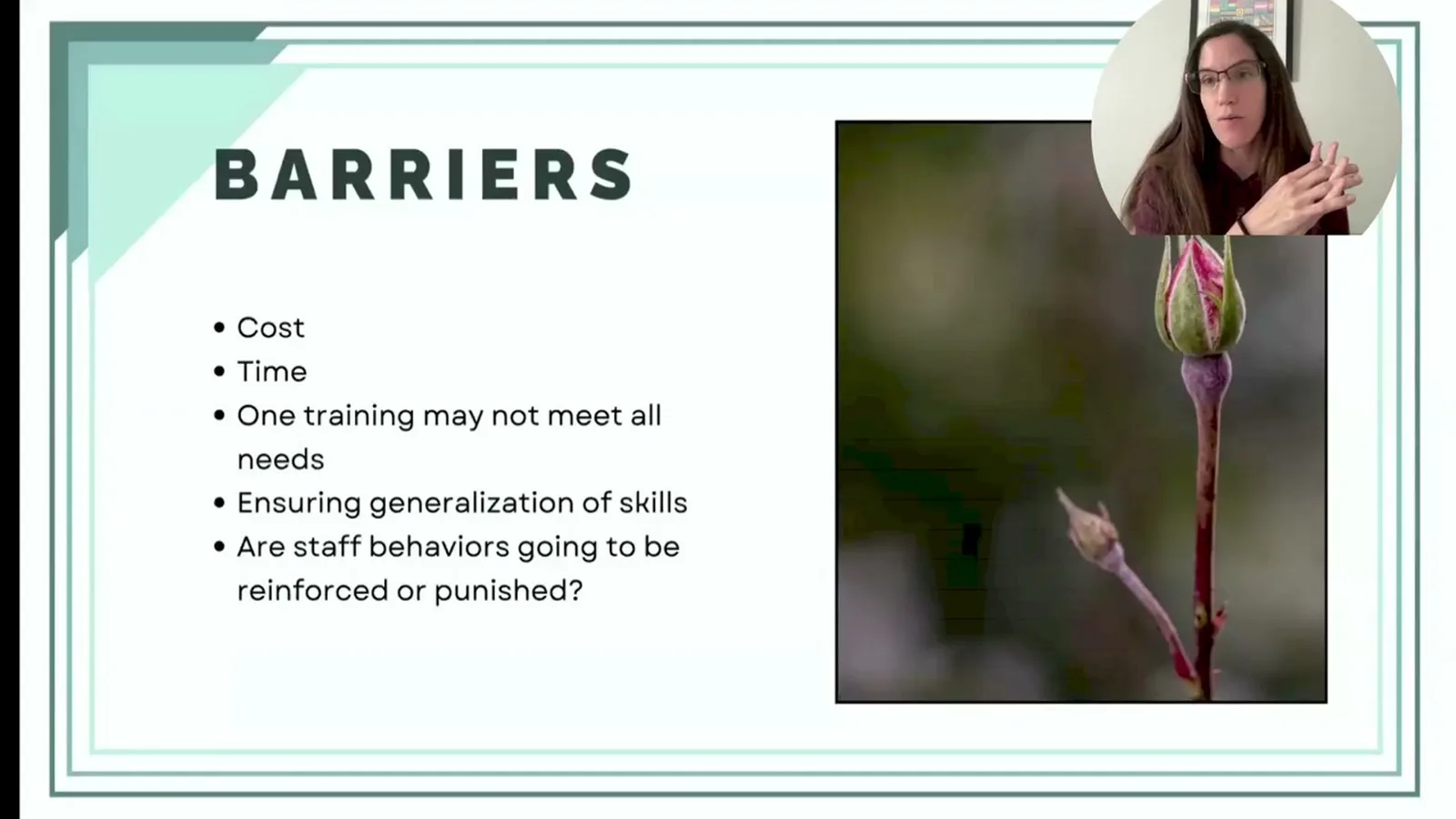
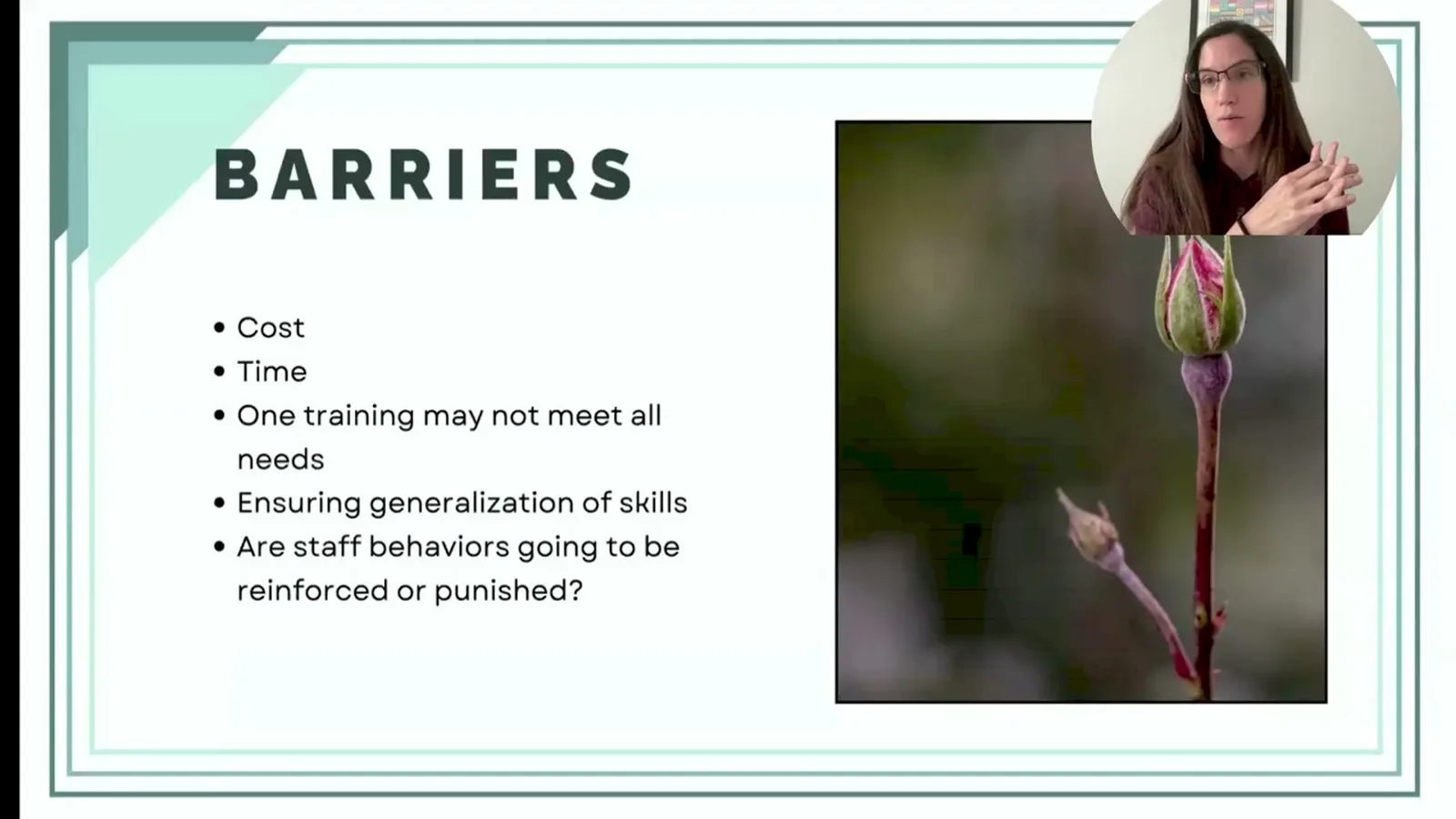
Grief Support at the Front Lines: Training Day Hab and Group Home Staff to Support Adults with IDD Through Bereavement
Free learning path on this topic
Supervision, Done Right
Four supervision CEUs that build on each other. What reflective supervision is, how to build a supervision system, how to assess supervisee competence instead of counting hours, and how supervision affects provider outcomes. The BACB asks supervisors for three supervision CEUs per cycle. This covers it.
Experts who cover this
2 recordings on openceu cover grief support aba.
- Featured talk1 CEU
Grief Support at the Front Lines: Training Day Hab and Group Home Staff to Support Adults with IDD Through Bereavement
Tricia LundThe Behaviorist Bookclub
The core topic: Tricia Lund makes the case that direct support staff, not clinicians, are best positioned to provide front-line grief support to adults with…
- 1 Ethics CEU
Interdisciplinary Grief Support for People with Disabilities: Enhancing Outcomes Through BCBA-LPC Collaboration
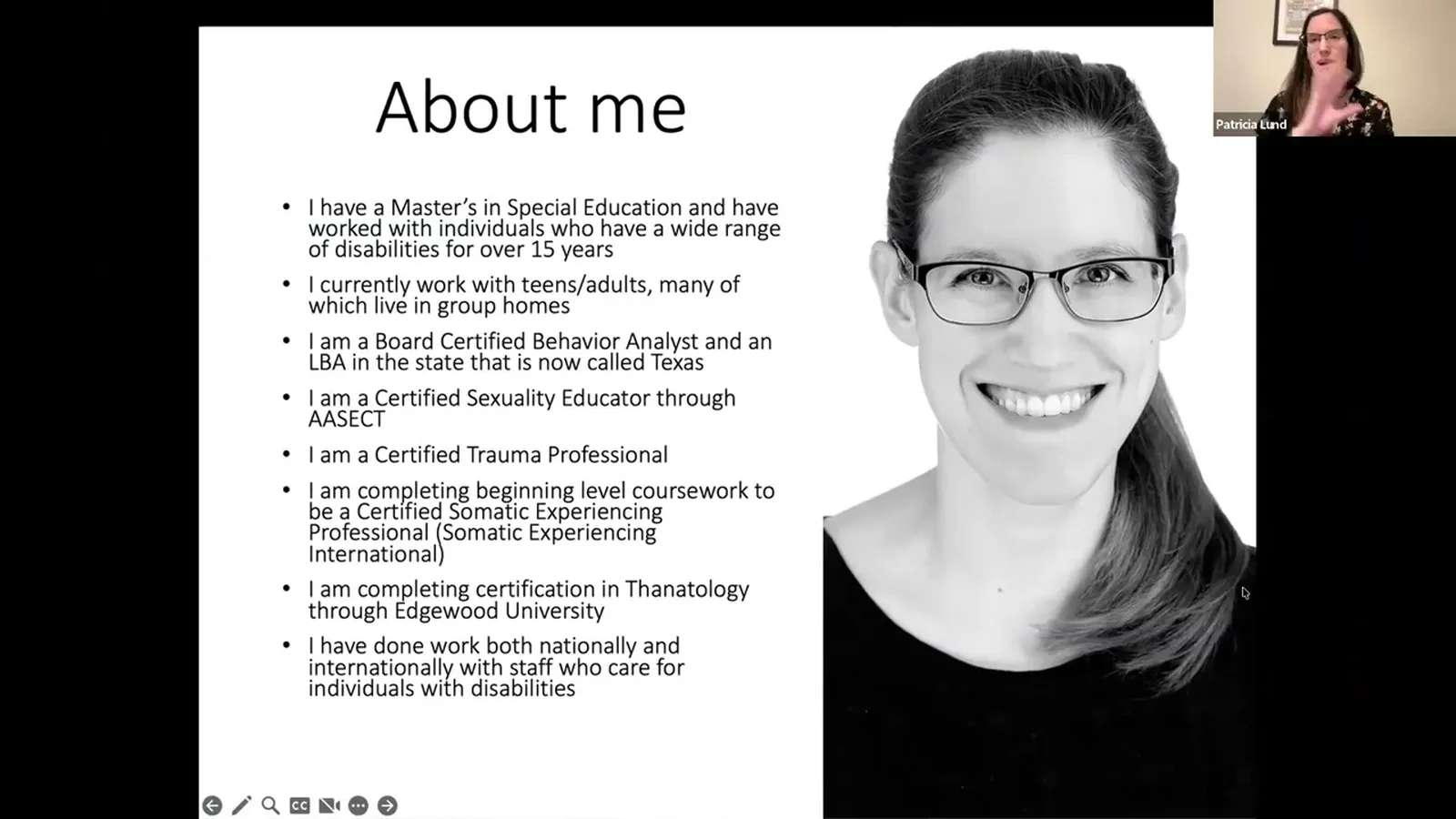
Patricia LundThe Behaviorist Bookclub
Patricia presents Sue Reed and David Elliott's continuum model with four tiers (education, participation, facilitation, intervention) as a way to visualize how…
On this page · 8 sections▾
Grief support means helping someone cope after a death or a big loss. For adults with intellectual and developmental disabilities (IDD), that help often looks different. Their feelings can get missed or brushed aside. So they may need extra care to grieve in a healthy way.
This page pulls together ideas from two OpenCEU talks. Both focus on adults with IDD. The main lesson is simple. The people closest to the client are often the best ones to help. BCBAs, RBTs, and direct support staff all have a part to play.
Front-line staff are the first responders#
Tricia Lund makes a strong case in her talk. The staff who see a person every day already have trust and rapport. That daily bond matters when grief hits. A clinician who visits once a month cannot match it.
So Lund argues that day hab and group home staff should be trained to respond right away. They do not need to be therapists. They need to know how to show up with care.
if we can train them to respond with immediate support and compassion, then we are increasing the likelihood that our clients are going to be able to handle death losses better From the talk — Tricia Lund
This flips the usual model. Grief support does not have to wait for a specialist. It can start with the person handing out breakfast.
Short training raises staff comfort and skill#
Many staff feel unsure around grief. They worry they will say the wrong thing. Lund found that even brief training changes this. Staff feel more ready and know more after learning a few basics.
training providing specific grief and death related training can increase staff's comfort level and their knowledge when it comes to supporting people through grief and loss From the talk — Tricia Lund
That is good news for busy teams. You do not need a long program to make a real difference. A focused session can raise both confidence and skill.
Old habits can hurt grieving clients#
People with IDD have often been shielded from loss. Staff may hide a death to protect them. Or they may treat sad behavior as a problem to fix. Both moves can backfire.
people with disabilities, they had those complex emotions ignored and punished, which did not help them deal with the grief From the talk — Tricia Lund
Grief is not a behavior to extinguish. Crying, anger, and withdrawal are normal parts of loss. The goal is to make room for those feelings, not to stop them.
A continuum shows how much support to give#
 Advertisement
In a second talk, Patricia Lund shares a model from Sue Reed and David Elliott. It is a continuum, which means a sliding scale of support. It helps a team judge how much help a grieving person needs. The idea is that there are many ways to support one person.
The model has four tiers. Each tier adds more support than the one before it.
In the first tier, we have education... Participation... And then facilitation... And then our last one is going to be a more focused intervention. From the talk — Patricia Lund
Education means teaching the person about death in plain terms. Participation means including them in rituals like a funeral. Facilitation means guiding them through feelings and memories. Focused intervention is deeper clinical help for harder cases.
The tiers are not a strict ladder. A person may need one tier for one loss and another tier later. The model is a guide, not a rulebook. It helps a team match support to real need.
Simple ways to help right now#
You do not have to wait for a plan to start helping. Small acts of care matter a lot. Use clear words about what happened and let questions come.
Give the person real ways to take part. That might mean lighting a candle or looking at photos. Keep routines steady, since routine feels safe during loss. And do not rush the timeline, because grief has no set schedule.
Watch for changes in behavior too. Sleep, appetite, and mood can all shift after a loss. These changes are often grief, not misbehavior. Naming them as grief keeps the response kind.
Not everyone needs the top tier#
The continuum has one calming message. Most people do not need intensive treatment. Many just need honest talk, a chance to take part, and steady support.
Not everyone is going to need this. Some people, in order to go through a normal grieving process, just need these things here. From the talk — Patricia Lund
This helps a BCBA stay in the right lane. You can safely offer education and participation. When grief turns into deep depression or trauma, you bring in a licensed mental health pro. Patricia's talk pairs a BCBA with a licensed counselor for exactly this reason. You can see that model in Interdisciplinary Grief Support for People with Disabilities: Enhancing Outcomes Through BCBA-LPC Collaboration.
What the research says#
Research backs up the case for training and honest support. One review found that bereavement clearly affects people with IDD. After a loss, signs of depression and anxiety go up, and daily behavior can change (A review of the emotional, psychiatric and behavioural responses to bereavement in people with intellectual disabilities).
Understanding of death is often partial in this group. One study interviewed 34 adults with IDD. Nearly a quarter had a full grasp of death, and over two thirds had a partial grasp (Concept of death and perceptions of bereavement in adults with intellectual disabilities). A limited understanding can make loss more confusing and more distressing.
Experts also agree that staff training should be a priority. A panel of 18 experts used a structured method to rank training needs. They agreed that staff must learn to spot and support grief, and must get help managing their own grief too (A Delphi Study on Staff Bereavement Training in the Intellectual and Developmental Disabilities Field).
FAQ#
Should you tell a person with IDD that someone died? Yes, in most cases. Hiding a death often leaves the person confused and alone. Use clear, simple, honest words. Give them a chance to ask questions and take part in goodbyes.
Can a BCBA provide grief support? A BCBA can offer education, participation, and everyday support. These are safe, helpful roles. When grief becomes severe or looks like trauma, refer to a licensed mental health professional and work as a team.
Do direct support staff need special training to help? Formal therapy training is not required for front-line care. But even short grief training helps a lot. It raises staff comfort and knowledge, so they respond with calm and compassion instead of avoidance.
 Advertisement
Turn this topic into a CEU
You just studied this. Now get credit for it.
Watch Grief Support at the Front Lines: Training Day Hab and Group Home Staff to Support Adults with IDD Through Bereavement with Tricia Lund and earn 1 free BCBA CEU. Detailed certificate, delivered the moment you finish.
Keep going with a free learning path
Supervision, Done Right
Four supervision CEUs that build on each other. What reflective supervision is, how to build a supervision system, how to assess supervisee competence instead of counting hours, and how supervision affects provider outcomes. The BACB asks supervisors for three supervision CEUs per cycle. This covers it.
Parent or caregiver? Find a vetted ABA provider near you on ProviderSpark.