Bedtime Visual Schedule for Autistic Kids: a BCBA Plan
How to build and use a bedtime visual schedule for an autistic child, with the daytime ABA prep steps from a BCBA-led CEU.
Key takeaway
A bedtime visual schedule for an autistic child only works if the child can already follow a visual schedule during the day, and if the last icon is the same sleep signal every single night. That is the part most parent guides skip.
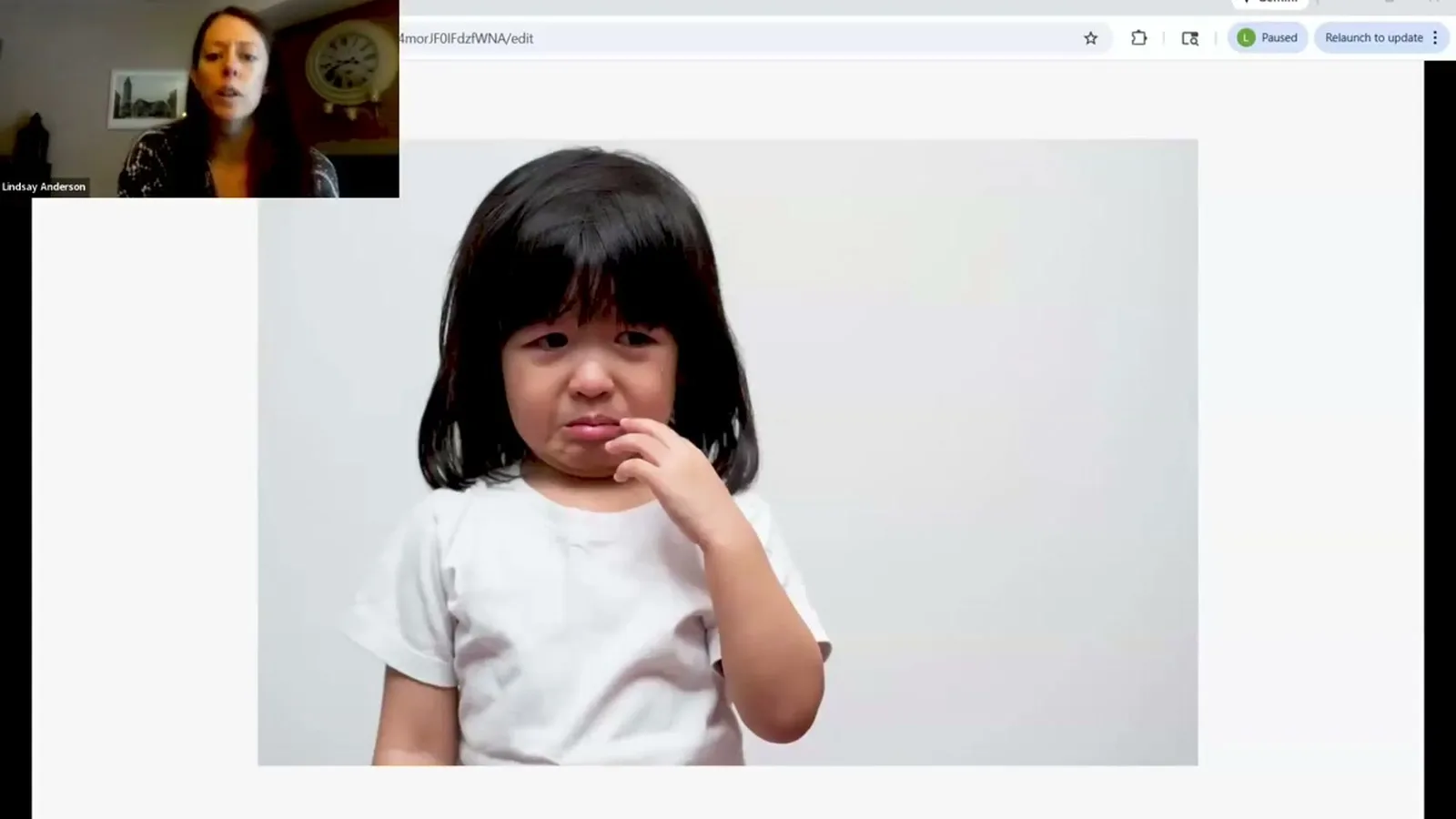
Why Won’t They Go to Bed? A BCBA’s Guide to Effective Bedtime Routines
On this page · 8 sections▾
A bedtime visual schedule for an autistic child only works if the child can already follow a visual schedule during the day, and if the last icon is the same sleep signal every single night. That is the part most parent guides skip. Before you print the chart, your child needs daytime fluency with picture schedules from ABA (Applied Behavior Analysis, the therapy used to teach skills step by step), and the schedule needs a fixed final step like "tuck in, I love you, lights out." A safe place to add a choice is inside one step, for example asking "Good Night Moon or Llama Llama?" while keeping reading time in the same slot.
Why a visual schedule helps autistic kids at bedtime#
A bedtime visual schedule does two jobs at once. It tells the child what is coming next, and it keeps the parent honest about doing the steps in the same order every night. That second part matters more than most people think. Kids do not get into trouble at bedtime because they forgot what comes next. They get into trouble when the order shifts and their brain can no longer predict that sleep is close.
Predictability is the whole point of the chart. The science behind bedtime routines is about training the brain to release sleep hormones at the right time. A schedule that changes order every night does not do that. A schedule that runs the same way every night does.
If it's appropriate for the child it can also help to give families a visual schedule of the bedtime routine which not only helps the learner know what to expect next but can also help keep families consistent with the routine as well. From the talk — Lindsay Anderson
That two-way benefit is why the schedule belongs on the wall, not in a binder. Mom needs to see it as much as the child does. If dad runs bedtime on Tuesdays, he runs it the same way mom does on Mondays, because the chart is right there.
What activities to put on the schedule#
Think of the schedule as the last 30 to 60 minutes before lights out. The activities should be calm and quiet. Common steps include bath, lotion, pajamas, toileting, brushing teeth, reading books, a hug or song, and lights out. You do not need fancy activities. You need the same activities in the same order.
If your child does not have many calm play skills yet, it is fine to include things like dinner or a longer bath. The point is that the routine lasts long enough for the body to wind down. What you want to avoid are things that wake the body back up. Rough housing, jumping, chase games, and bright screens belong earlier in the evening, not in the routine.
Calm shows with a clear ending are okay for some kids. Auto-play YouTube and active tablet games are not. The first kind has a stop. The second kind does not, and bedtime keeps slipping later.
Where to put choices without breaking the order#
Some kids fight the schedule because they feel out of control. You can give them control without breaking the order. Keep the slot the same. Let them pick what fills it. Books at 7:45 is the slot. Which book is the choice. Toothpaste at 7:20 is the slot. Mint or strawberry is the choice.
Some learners will increase cooperation with the routine if they're given choices so again we want to keep the order of the activities consistent but we can still incorporate choices so maybe it's always time to read books at a certain time but we can ask do they want to read good night moon or llama llama. From the talk — Lindsay Anderson
This is the small move that fixes a lot of nightly battles. The slot is non-negotiable. The pick inside the slot is theirs. Two cups, two books, two pairs of pajamas, one toothpaste flavor or another. Keep the menu small, two options, so the choice itself does not turn into a stalling tactic.
Pre-teach the schedule during the day in ABA#
Here is the part almost every other autism bedtime article misses. If your child cannot follow a picture schedule at 2 in the afternoon, they will not follow one at 8 at night. Bedtime is the hardest time of day for any kid to learn a new skill. The body is tired. The light is low. The reinforcers are weak. That is not when you teach a new behavior. That is when you use a behavior the child already has.
So the schedule has to be taught during ABA sessions or with the parent during the day, well before it shows up at bedtime. Start with a short schedule, maybe two or three icons, for an activity the child already enjoys. Build up to longer schedules. Then build up to schedules that include the actual self-care steps that will be in the bedtime version, like toileting, brushing teeth, and reading.
It can also be helpful to teach following a visual schedule during ABA […] and we might want to work up to a schedule that looks similar to the bedtime routine so maybe including activities like toileting brushing teeth reading books so that they really become fluent with following that schedule during the day […]. From the talk — Lindsay Anderson
The word to underline there is fluent. Fluent means fast, smooth, and without prompting. If your child needs five reminders to move from icon one to icon two at noon, you are not ready to put that schedule in the bedroom. Keep teaching during the day. Add the bedtime version later.
If you have a BCBA (Board Certified Behavior Analyst, the clinician who runs your child's ABA plan), ask them to write daytime schedule-following as a goal. Have them target the exact steps that will be on the bedtime chart. That makes the bedtime version a generalization task, not a new skill.
Pick the right last icon: the sleep signal#
The last icon is the most important one on the chart. It is the signal that tells the brain sleep is here. Whatever it is, it has to happen the same way every single night, in the same order, with the same words.
We want the activities to occur in the same order every night and end with that same consistent signal for sleep. So maybe tucking the child in a certain way or saying I love you and then turning out the light in that same order every night. From the talk — Lindsay Anderson
A common last step is tuck in, say "I love you, goodnight," and turn out the light. Pick one and run it every night. If you change the words or the order, the signal gets weaker.
Skip anything that the child needs you to keep doing after the lights go out. That includes feeding, rocking to sleep, or rubbing their back until they doze off. Those things become part of how the child falls asleep. Then when they wake up in the middle of the night, which all kids do, the routine is gone and they cannot get back to sleep on their own. Put feeding, rocking, and back rubs earlier in the routine, with lights still on. The last icon should be something brief and finishable.
When the schedule stops working: troubleshooting#
A schedule that worked for a month can stop working. Run through this checklist before you change the schedule itself.
First, is the bedtime still right for the child's age and current nap status? If your 4 year old dropped their nap last week, their old 7:30 bedtime is now too early. They are not tired yet. No schedule fixes that. Move the bedtime later to match when they are actually tired, then fade it back earlier 15 minutes at a time.
Second, are the daytime fluency steps still in place? If you stopped using picture schedules during the day, the bedtime one will start to drift. Restart daytime practice.
Third, did the order change? Sometimes one parent skips a step "just tonight" and a few days later the order is different than the chart. The chart only works if you follow it. If you cannot follow a step, take that step off the chart instead of skipping it.
Fourth, is the last step still a clean signal? If you added a story after lights out, or you started laying in bed until your child fell asleep, you have changed the sleep signal. Take it back to a brief finishable ending.
If all four are in place and the schedule still is not working, talk to your BCBA about layering in a bedtime pass or a faded bedtime procedure. Those are different tools, and the recording covers when each one fits.
Frequently asked questions#
Should bedtime visual schedules use photos or icons?
Use whatever your child already understands. If they follow real-photo schedules at school or in ABA, use photos at home so you do not have to teach a new symbol system. If they follow line-drawing icons (like Boardmaker or generic clipart), use those. The format does not matter. Consistency with what they already read does. Do not mix formats on the same chart. Either everything is a photo or everything is an icon.
How long should a bedtime visual schedule be?
Long enough to cover every step you actually do, no longer. For most families that is 5 to 8 icons. Fewer than that and the steps get bundled and confusing. More than that and the chart gets long enough that the child cannot scan it in one look. If you need 10 steps, break it into "before bath" and "after bath" mini-schedules. Each one stays under 6 icons.
What if my child rips up or throws the schedule?
Two things, in order. First, check if the schedule is appropriate for the child right now. Tearing or throwing is often a sign the child cannot follow the schedule yet and the request feels too hard. Drop back to a shorter chart, or go back to teaching schedule-following during the day. Second, if the schedule fits but tearing or throwing is happening for attention or escape, talk to your BCBA. They can run a quick assessment of what the behavior is paying off, and write a plan. Do not move the chart higher on the wall and call it solved. Figure out the function first.
Watch the full talk#
The 60 minute CEU recording with Lindsay Anderson walks through the full bedtime routine framework, including the timing math, the faded bedtime procedure, the bedtime pass, and the daytime ABA skills that set up a successful routine. The recording also covers the temperature, lighting, and sound setup that the article only mentions, plus when to suspect a medical issue like sleep apnea or restless leg syndrome instead of behavior. If you are a BCBA writing sleep goals or a parent trying to fix a routine that keeps falling apart, the full talk gives you the playbook.
Turn this topic into a CEU
You just studied this. Now get credit for it.
Watch Why Won’t They Go to Bed? A BCBA’s Guide to Effective Bedtime Routines with Lindsay Anderson and earn 1 free BCBA CEU. Detailed certificate, delivered the moment you finish.