Sleep Dependencies: Why Kids Wake and How to Fade Them
A plain guide to sleep dependencies in ABA. Learn what they are, why they cause night wakings, and how to fade them for better sleep.
Key takeaway
A sleep dependency is anything a child needs to fall asleep. It could be a parent lying down next to them. It could be a bottle, a screen, or a certain light.
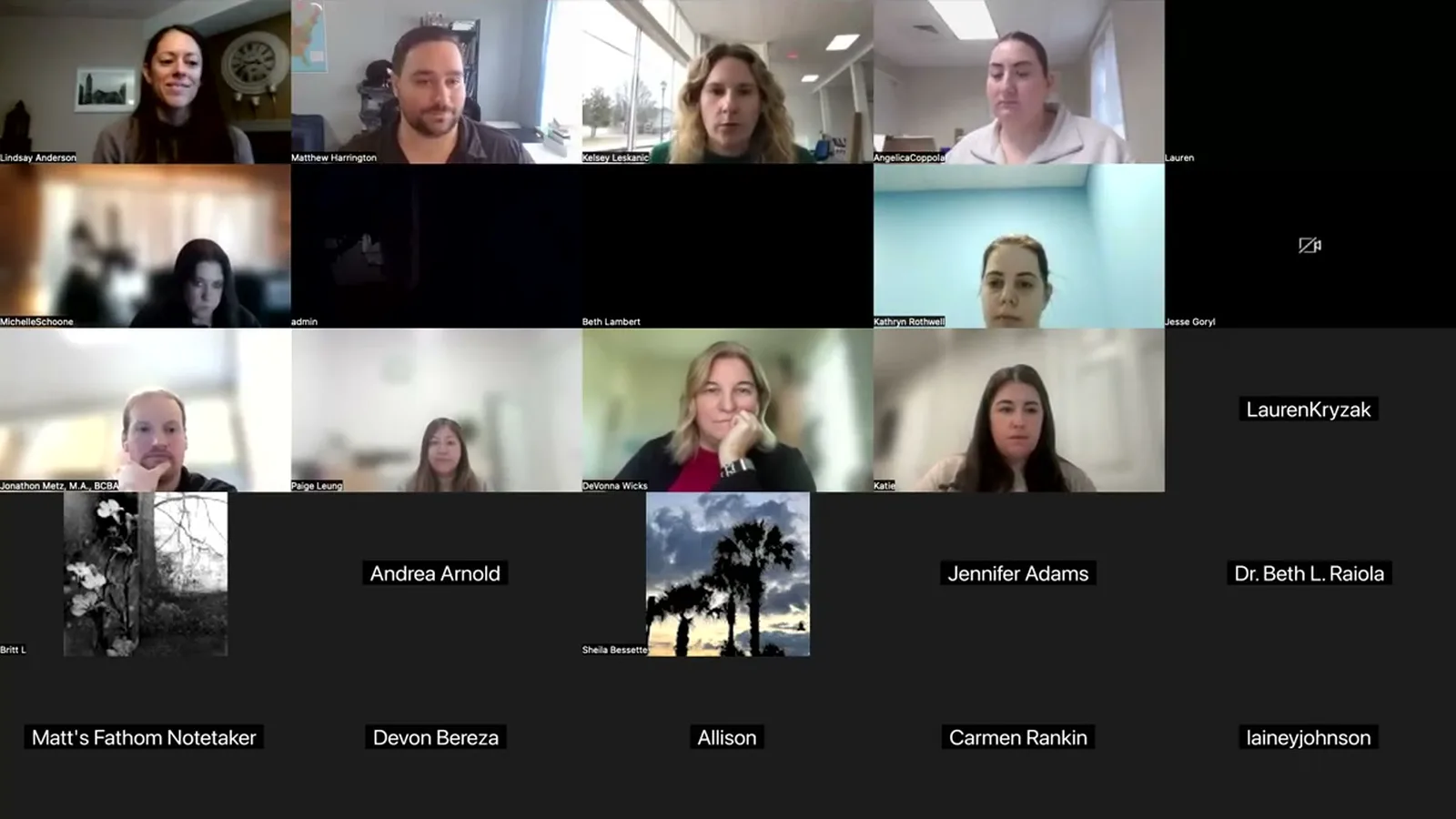
Why are they Waking up at 2 AM?
Free learning path on this topic
Supervision, Done Right
Four supervision CEUs that build on each other. What reflective supervision is, how to build a supervision system, how to assess supervisee competence instead of counting hours, and how supervision affects provider outcomes. The BACB asks supervisors for three supervision CEUs per cycle. This covers it.
Experts who cover this
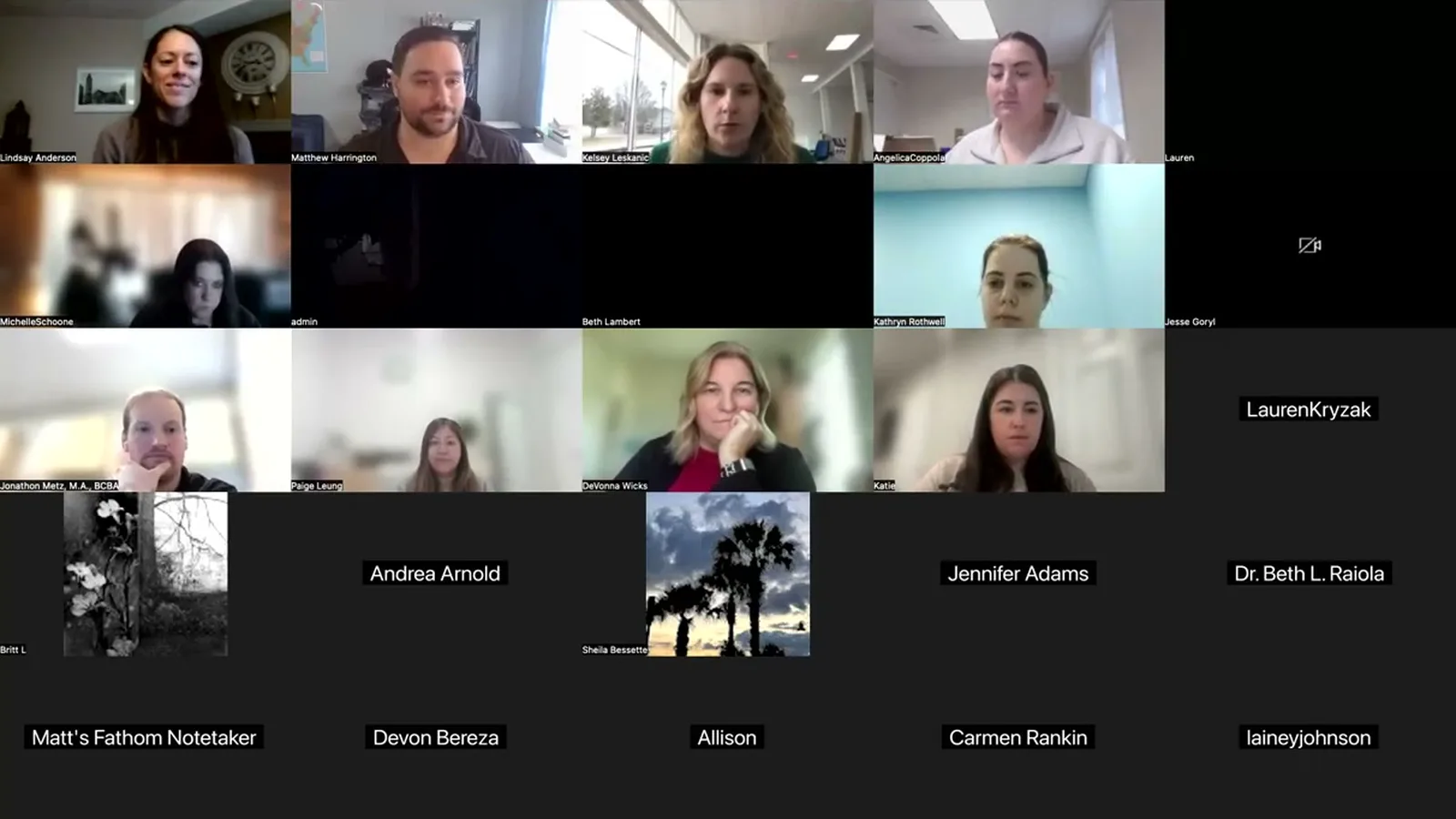
The recording behind this guide covers sleep dependency.
- Featured talk1 CEU
Why are they Waking up at 2 AM?
Lindsay AndersonThe Behaviorist Bookclub
Core clinical framework of the talk, explaining how sleep dependencies (a caregiver, bottle, screen, light) that help a child fall asleep at bedtime cause…
On this page · 7 sections▾
A sleep dependency is anything a child needs to fall asleep. It could be a parent lying down next to them. It could be a bottle, a screen, or a certain light. The child learns that sleep only comes when this thing is present.
This matters because kids wake up many times each night. Everyone does. When a child wakes and the sleep helper is gone, they cannot get back to sleep. So they call out, cry, or come find you. For BCBAs, RBTs, teachers, and parents, spotting these dependencies is the first step to fixing 2 AM wakings.
What a sleep dependency actually is#
Kids drift in and out of light sleep all night. In light sleep, they may briefly wake. A child who fell asleep on their own can settle again. A child who needed something outside themselves cannot.
Lindsay Anderson explains the core problem this way:
many of these disruptive awakenings happen when the child is dependent on something being in the environment to fall asleep at bedtime. And then that thing is no longer there when they, again, naturally wake up in the middle of the night. From the talk — Lindsay Anderson
So the night waking is not the real issue. The real issue is how the child learned to fall asleep in the first place. Fix the fall-asleep habit, and the night wakings often fade on their own.
Sustainable versus unsustainable dependencies#
Not all sleep helpers are bad. The key question is whether the helper can stay all night. Anderson splits them into two clear types.
an unsustainable sleep dependency means that it cannot be maintained independently throughout that entire night. Whereas a sustainable sleep dependency is going to be portable, remain constant the whole night, and not require the caregiver's presence. From the talk — Lindsay Anderson
A parent lying down is unsustainable. The parent leaves once the child sleeps. A soft blanket or a favorite stuffed animal is sustainable. It stays in the bed the whole night. The child can find it again alone.
Matching sleep to family values#
 Advertisement
Dr. Emily Ice adds a helpful lens. She frames sleep helpers as cues, and asks if they fit what the family wants. Many kids learn to sleep with cues that clash with family life.
Many, many, many children learn to fall asleep with misaligned SDs. And by misaligned, I mean misaligned to the family values. From the talk — Dr. Emily Ice
A parent may not want to lie down for an hour each night. That cue does not fit the family. The goal is to swap it for one that does. Ice describes the target clearly.
we want to think about replacing those sleep dependencies with ones that can be there all night long, traveling with the child as needed and teaching them to fall asleep on their own. From the talk — Dr. Emily Ice
How to fade a dependency#
You do not remove a sleep helper all at once. You fade it slowly. You also pick which helper to tackle first. Anderson gives a simple rule of thumb for order.
for most kids, fading tangible dependencies will be easier to do first than tackling dependencies that involve another person. From the talk — Lindsay Anderson
Start with objects like a bottle or a screen. These are easier to change. Save the harder ones, like a parent's presence, for later. Move in small steps. Sit on the bed one night, then a chair by the bed, then the doorway. Each step teaches the child to sleep with a little less help.
Go at the child's pace, not the calendar's. Stay at each step until the child settles with ease. If a step is too hard, back up one level and try again. Small wins build on each other. Rushing tends to cause pushback and lost progress.
Along the way, add a sustainable cue. A comfort object works well. It can travel with the child and stay all night. Over time, the child leans on the portable cue instead of you.
Common sleep dependencies to spot#
The first job is to name the helper. Watch what happens right before the child falls asleep. Whatever is present in that last moment is likely the cue.
Some are objects. A bottle, a pacifier, a screen, or a certain song. Some are actions from you. Rocking, patting, or lying down beside the child. Some are settings, like a bright hall light or the TV left on.
Ask one question about each helper. Can it stay all night on its own? If yes, it is likely fine. If it needs you, or it turns off, it is the kind to fade. A quick sleep log helps here. Write down what was present at sleep onset for a few nights. The pattern will show the culprit fast.
What the research says#
Behavioral sleep problems in young children can be treated. One study looked at three young children, two of whom had autism. Researchers used sleep diaries and nighttime video to measure sleep onset and night waking (An individualized and comprehensive approach to treating sleep problems in young children).
The team built a plan for each child based on an interview and assessment. The plans set a good sleep schedule, shaped a calm sleep space, and removed poor sleep dependencies. The plans also changed what happened after sleep-interfering behavior. Treatment worked for all three children, and parents were satisfied with the results.
This backs up the classroom point. Removing the wrong sleep helpers is a real, tested part of sleep treatment. It is not just a bedtime trick.
FAQ#
What is a sleep dependency in simple terms? It is anything a child needs to fall asleep. Common ones are a parent, a bottle, a screen, or being rocked. If the helper is gone when the child wakes at night, they struggle to settle again.
Are all sleep dependencies bad? No. A helper is fine if it can stay all night on its own. A stuffed animal or a blanket is sustainable. A parent lying down is not, because the parent leaves once the child sleeps.
How do I stop my child needing me to fall asleep? Fade your presence in small steps and add a portable cue. Start with easier object habits first. Then slowly move farther from the bed each night. Give the child a comfort object that stays all night.
Want the full night-waking framework? Watch Waking to Reinforcement with Dr. Emily Ice for more on replacing misaligned sleep cues.
 Advertisement
Turn this topic into a CEU
You just studied this. Now get credit for it.
Watch Why are they Waking up at 2 AM? with Lindsay Anderson and earn 1 free BCBA CEU. Detailed certificate, delivered the moment you finish.
Keep going with a free learning path
Supervision, Done Right
Four supervision CEUs that build on each other. What reflective supervision is, how to build a supervision system, how to assess supervisee competence instead of counting hours, and how supervision affects provider outcomes. The BACB asks supervisors for three supervision CEUs per cycle. This covers it.
Parent or caregiver? Find a vetted ABA provider near you on ProviderSpark.