Escape Extinction: What It Is and When to Skip It
Escape extinction stops a task from ending after problem behavior. Learn how it works, its side effects, and safer alternatives from ABA experts.
Key takeaway
Escape extinction is a plan where escaping a task no longer works. A child may push away food, drop to the floor, or hit. In the past, the task might stop when that happened.
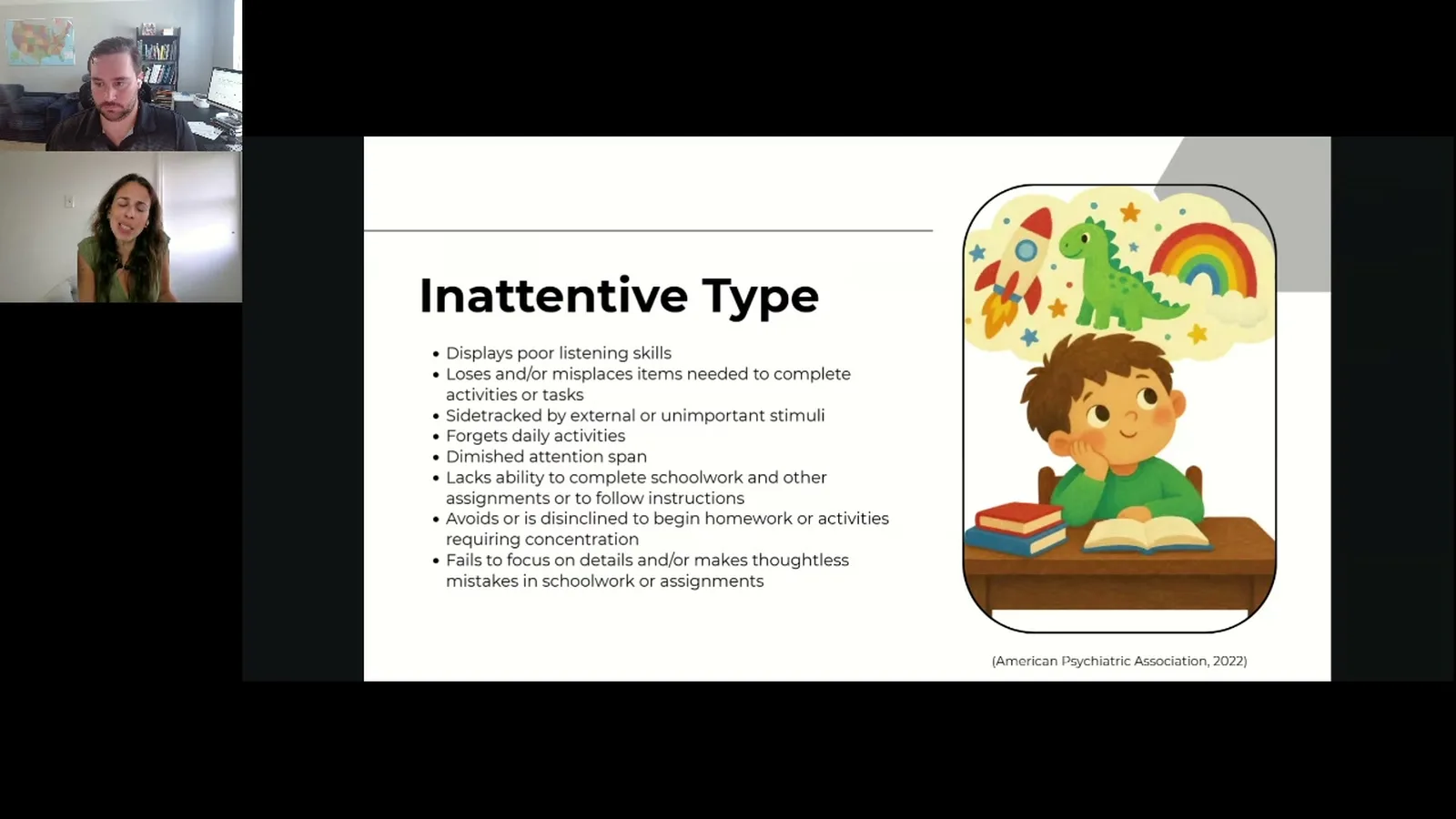
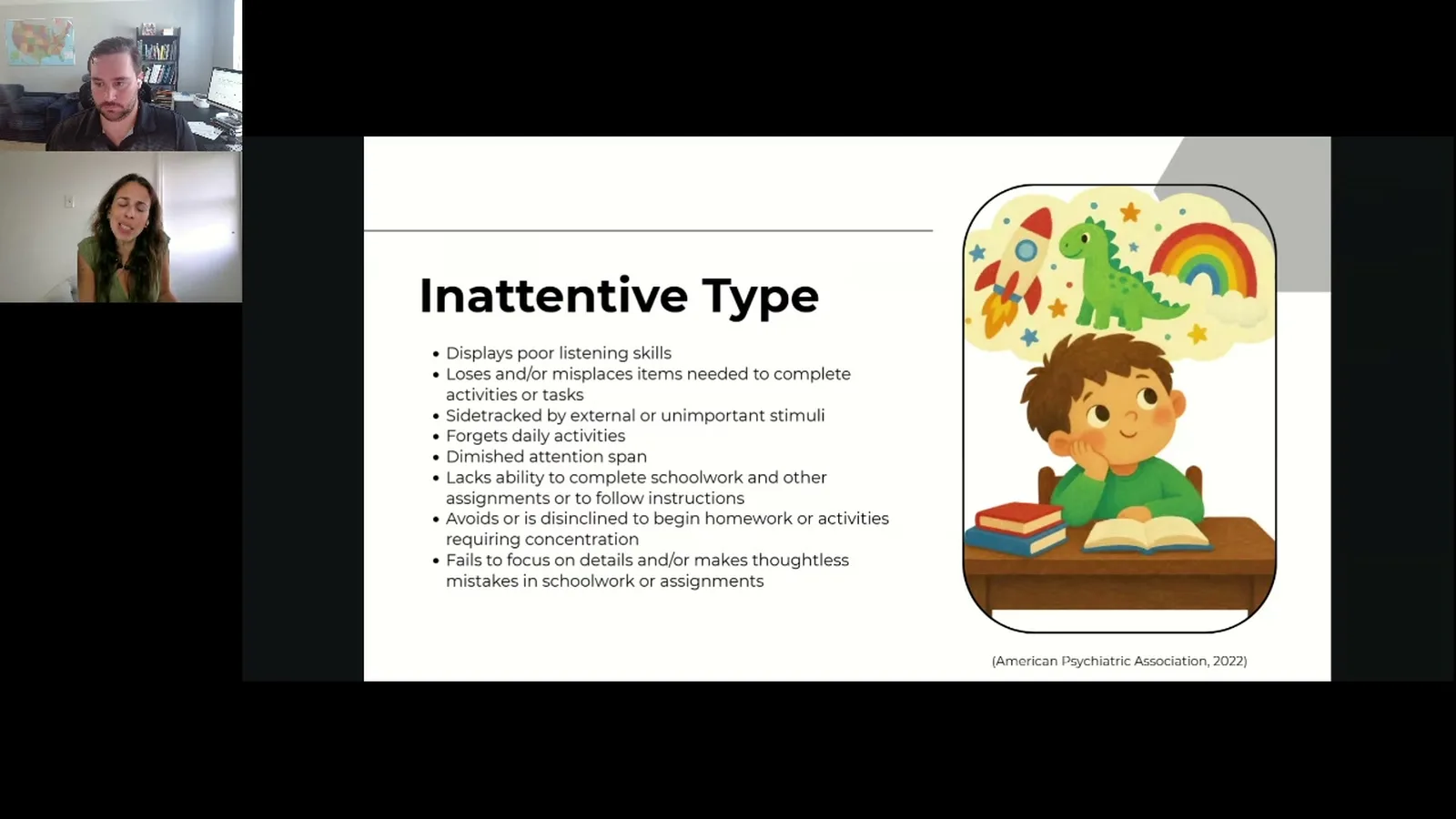
Reframing Behavior through an ADHD Lens
Experts who cover this
2 recordings on openceu cover escape extinction.
- Featured talk1 CEU
Reframing Behavior through an ADHD Lens
Nicole StewartThe Behaviorist Bookclub
Nicole critiques escape extinction as a consequence-level intervention that suppresses surface behavior without addressing why the task was aversive or…
- 2.50 CEUs
Solving Clinical Challenges with Research
Matthew HarringtonThe Behaviorist Bookclub
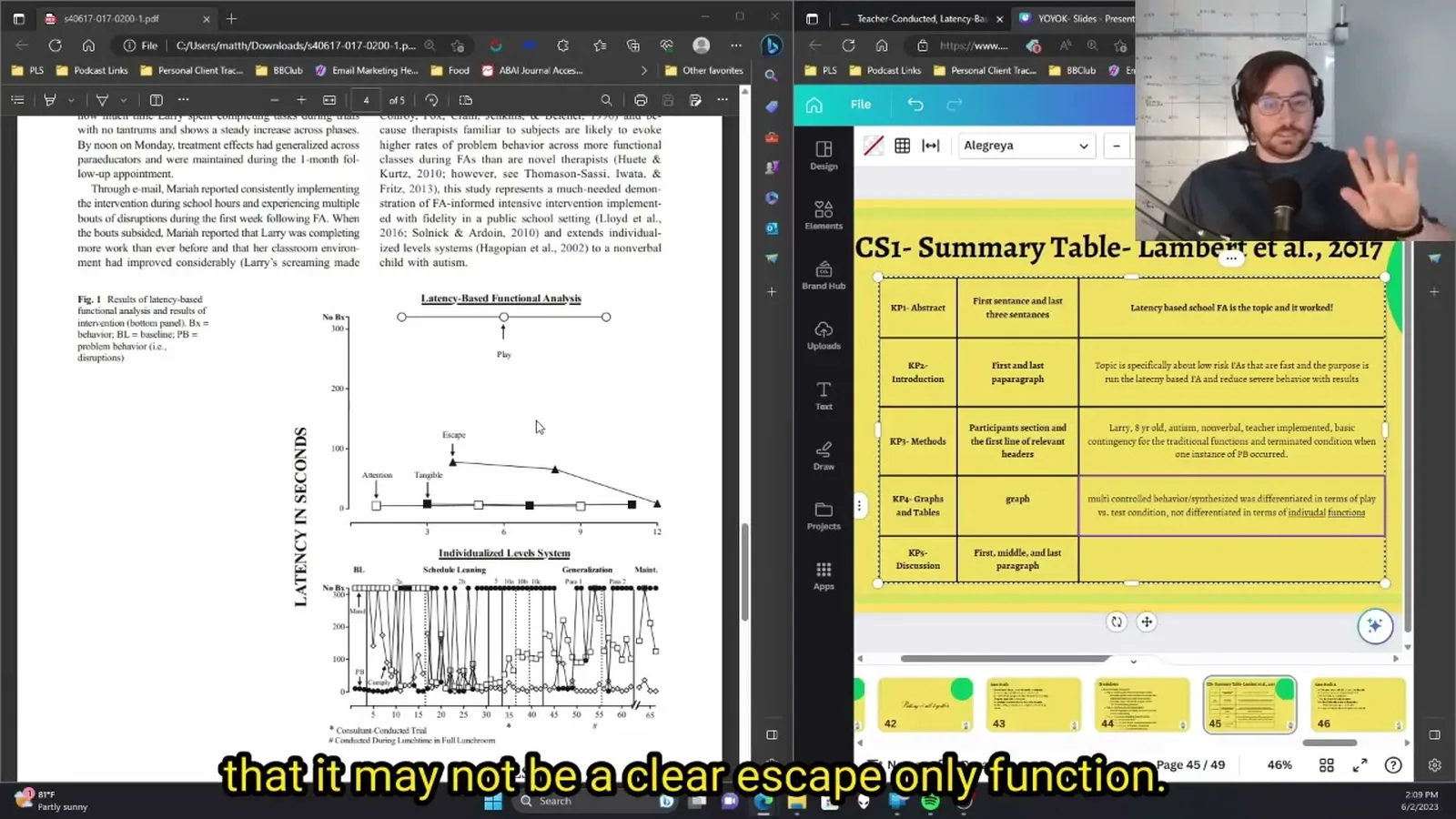
Case study 1's presenting problem is a school-based client on an escape extinction plan whose aggression is escalating; Harrington uses it to illustrate…
On this page · 9 sections▾
Escape extinction is a plan where escaping a task no longer works. A child may push away food, drop to the floor, or hit. In the past, the task might stop when that happened. With escape extinction, the task keeps going anyway. The child does not get out of it by acting out.
This idea sounds simple, but it carries weight. It can lower some behaviors fast. It can also create stress, break trust, and hide the real reason a task felt hard. Good clinicians weigh both sides before they use it.
What escape extinction actually does#
Many problem behaviors are kept going by escape. The child learns that acting out ends the demand. This escape becomes the payoff, or the reinforcement. Escape extinction cuts off that payoff. The task no longer ends when the behavior happens.
Because the escape route is closed, the behavior often drops over time. But the change happens at the consequence level. It works on what comes after the behavior. It does not change what made the task feel bad in the first place.
Why the function of behavior matters first#
Before you use escape extinction, you need to know why the behavior happens. A functional behavior assessment, which is a study of what drives a behavior, helps you find that reason. If the guess is wrong, the plan will not work.
Matthew Harrington uses a school case to show this. A student is on an escape extinction plan, but aggression keeps rising. That rise is a signal. Something in the plan is off.
So looking at our example, the behavioral principles at play, we have escape extinction is in place, but behavior is escalating. We can assume if behavior is escalating that either escape extinction isn't being applied with fidelity, which is possible if we have severe aggression, or the behavior isn't maintained by escape. From the talk — Matthew Harrington
So a rising behavior points to one of two problems. Either the plan is not run the same way each time. Or escape was never the real driver at all. His full session, Solving Clinical Challenges with Research, walks through how to tell these apart.
The side effects clinicians worry about#
Escape extinction can bring rough moments. Behavior can spike before it drops. This spike is called an extinction burst. With severe aggression or self-injury, that spike can be dangerous. Staff must be ready and trained.
There is also an emotional cost. When you block every exit, a child can feel trapped. Nicole Stewart, a BCBA (a board certified behavior analyst), raises this for kids with ADHD, a focus and impulse difference. She warns that the plan can take away a child's last sense of control.
The child feels stripped of their autonomy. From the talk — Nicole Stewart, BCBA
Her bigger point is about depth. The plan works on the surface. It does not ask why the task felt boring or too hard.
it does not address the underlying issue of what made the task aversive or under stimulating. From the talk — Nicole Stewart, BCBA
The feeding field pushed for alternatives#
 Advertisement
Feeding therapy is where escape extinction has been used a lot. A child refuses food, and the spoon does not go away until they eat. Dr. Holly Gover built her research as a different path. She wanted options that did not rely on that pressure.
Her stance is firm for food-selective kids, meaning kids who eat only a few foods. She will not use escape extinction with them at all.
I would say that if the child is food selective, I would never use escape extinction. I'm saying that now. From the talk — Dr. Holly Gover
Her reason is the risk of a scary, painful history around meals. She is not throwing the whole tool out for everyone. She just will not take that risk with these kids herself.
When teams choose it anyway#
Some cases still point toward escape extinction. When self-injury is serious and other plans fail, teams may use it with strong safety steps. In one study, staff paired it with protective equipment to guard a child's head (Tereshko & Sottolano, 2017). The head hitting dropped, and the gains held at an 18-month check.
The key is care. The plan runs the same way every time. Staff protect the child during bursts. And the team keeps checking that escape is truly the driver. Escape extinction is a strong tool, not a default first move.
Fidelity is what makes or breaks it#
A plan only works if everyone runs it the same way. If one adult ends the task early, the child learns that escape still works sometimes. That mixed message can make behavior stronger, not weaker. This is why Harrington treats rising behavior as a fidelity check first.
So training matters as much as the plan on paper. Every person in the room needs the same steps. They need to know what to do during a burst. They need to record data the same way. Without that shared routine, even a well-chosen plan can fall apart in practice.
How to think about it on your caseload#
Start with the function. Confirm that escape is really driving the behavior. Then ask if a gentler plan could work first. Could you change the task, teach a break request, or reward small steps? Many kids respond to those moves alone.
If you do reach for escape extinction, plan the safety net before day one. Line up staff, define the steps, and set clear data rules. Treat it as a serious choice that needs a full team, not a quick fix you add on your own.
What the research says#
Feeding studies show escape extinction often carries the treatment. In work on spoon distance fading, adding escape extinction sped up how fast a child accepted food. Some milder steps faded out on their own over time. This is why the field keeps testing it, even while looking for softer options.
Still, the research on alternatives is growing. A 2021 review found 21 studies that raised food acceptance without escape extinction (Tereshko et al., 2021). It maps antecedent tools, meaning changes made before the task starts, plus reward-based tools. Teams have real choices.
Other fields show the same push. One study taught kids to tolerate nasal swabs using rewards and slow fading (Briere et al., 2025). All five kids learned to cooperate without escape extinction.
For non-preferred tasks, one team tested a "wait out" method, a short timeout from the chance to work (Ward et al., 2016). It cut problem behavior and raised compliance, meaning task follow-through, without the usual escape extinction steps.
Sources cited on this page:
- Tereshko, L., Leaf, J. B., Weiss, M. J., Rich, A., & Pistorino, M. (2021). A systematic literature review of antecedent and reinforcement-based behavioral feeding interventions without the implementation of escape extinction. Behavioral Interventions, 36(2), 496-513. https://doi.org/10.1002/bin.1769
- Briere, M. L., Janetzke, S., Fleck, C. R., & Bourret, J. C. (2025). Differential reinforcement and stimulus fading without escape extinction to teach cooperation with nasal swab tests. Journal of Applied Behavior Analysis, 58(2), 452-463. https://doi.org/10.1002/jaba.70000
- Ward, S., Parker, A., & Perdikaris, A. (2016). Task as Reinforcer: a Reactive Alternative to Traditional Forms of Escape Extinction. Behavior Analysis in Practice, 10(1), 22-34. https://doi.org/10.1007/s40617-016-0139-7
- Tereshko, L. & Sottolano, D. (2017). The effects of an escape extinction procedure using protective equipment on self-injurious behavior. Behavioral Interventions, 32(2), 152-159. https://doi.org/10.1002/bin.1475
Frequently asked questions#
Is escape extinction the same as ignoring behavior?
No. Ignoring means you remove attention. Escape extinction means you do not let the task end. The child still has to finish or continue the demand. The two plans target very different payoffs, so they are not interchangeable.
Why does behavior sometimes get worse at the start?
This early spike is called an extinction burst. The child tries harder to make the old escape route work. When escape stays blocked, the behavior usually settles. This is why teams plan for safety before they begin, not after a crisis.
Are there safer options than escape extinction?
Often, yes. Teams can change the task first, teach the child to ask for a break, and reward small wins. Slow fading and reward-based plans have worked for feeding and medical tasks. Many clinicians try these before considering escape extinction.
 Advertisement
Turn this topic into a CEU
You just studied this. Now get credit for it.
Watch Reframing Behavior through an ADHD Lens with Nicole Stewart, BCBA and earn 1 free BCBA CEU. Detailed certificate, delivered the moment you finish.