Emotional Regulation in ABA: Goals That Get Approved
Emotional regulation helps learners handle big feelings. Learn how to write goals insurers accept and what the research shows about ABA and autism.
Key takeaway
Emotional regulation is the skill of handling big feelings. It helps a learner stay calm when things go wrong. It also helps them recover after getting upset.

Child Development for BCBAs- Age 9-11
Experts who cover this
3 recordings on openceu cover emotional regulation aba.
- Featured talk1 CEU
Child Development for BCBAs- Age 9-11
Kelly BrzakThe Behaviorist Bookclub
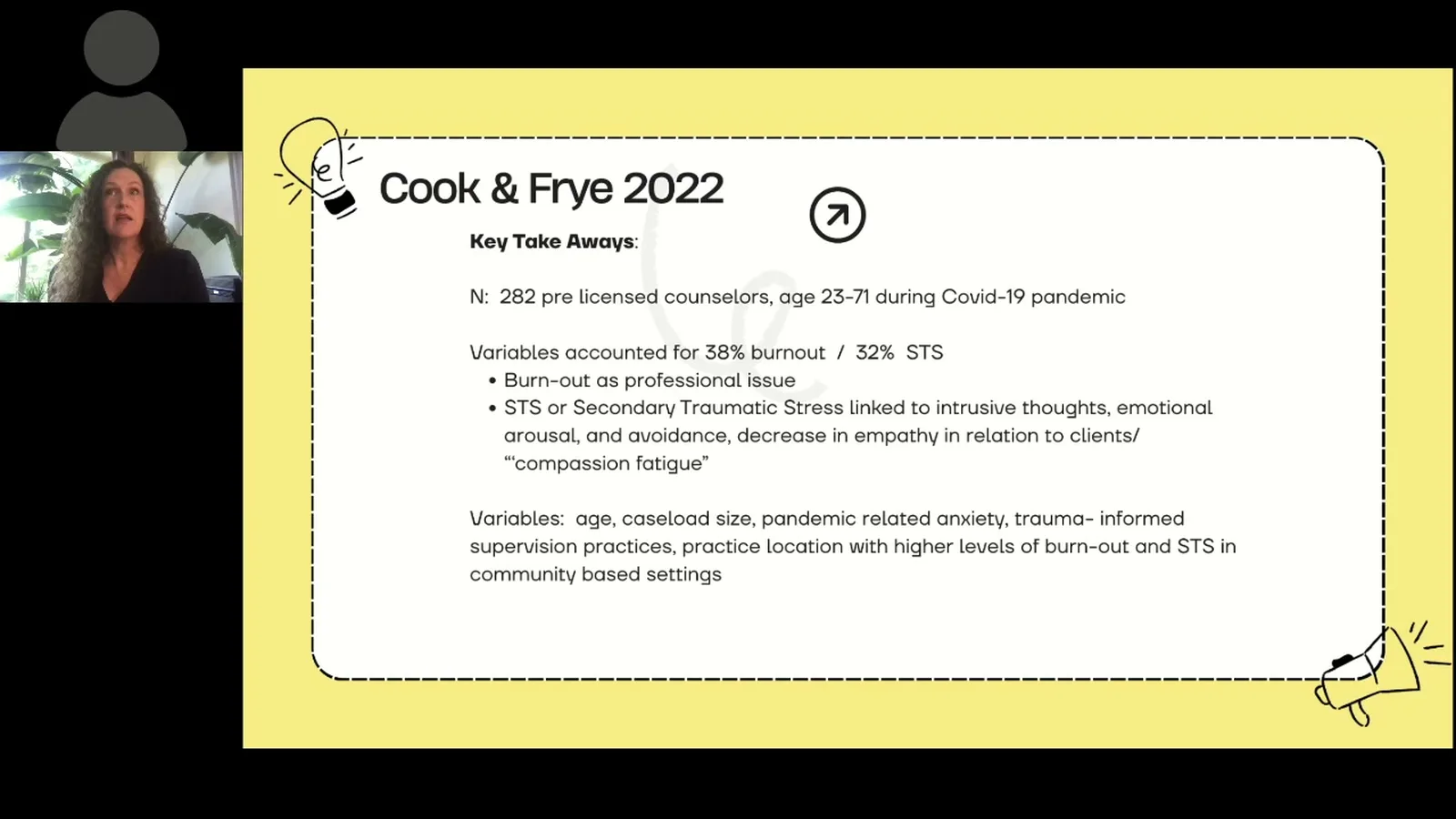
Kelly discusses how insurance often denies 'emotional regulation' goals, so she reframes them as tacting experiences, tolerating not getting one's way, or…
- 1 Supervision CEU
Reflective Supervision and Provider Outcomes in ABA
B. Kuereine GrayThe Behaviorist Bookclub
Named as a learning objective (identifying observable methods to support supervisees' emotional regulation) and illustrated with the presenter's own example of…
- 1 CEU
Child Development Deep Dive: Middle Childhood (6-8 year olds)
Kelly BrzakThe Behaviorist Bookclub
Kelly raises the recurring problem of insurance authorization denials for emotional-regulation goals and the field's internal debate over whether BCBAs should…


On this page · 6 sections▾
Emotional regulation is the skill of handling big feelings. It helps a learner stay calm when things go wrong. It also helps them recover after getting upset.
This matters for many kids in ABA. Strong feelings can get in the way of learning and friendships. BCBAs, RBTs, teachers, and parents all want to help. But teaching this skill in ABA comes with real challenges.
The biggest challenge is not the child. It is the words we use and the debate around them. Some insurers reject the term outright. Some clinicians question whether we should teach it at all. Good practice finds a path through both problems.
Why the words matter to insurers#
Many insurers do not like the phrase "emotional regulation." They may deny goals that use those words. This is a common problem for BCBAs.
Kelly Brzak has run into these denials often. She raises it as a real barrier in the field.
I am interested if anybody has any experiences with emotional regulation skill authorization denials. That's a big thing. The insurance companies don't like hearing this terminology. From the talk — Kelly Brzak
The skill still matters, even if the words cause trouble. So Kelly looks for clearer, more behavioral wording. She asks how to say the same thing another way.
If you're like me and you think it's really important anyways, what are some ways we can word emotional regulation skill building a little bit differently? From the talk — Kelly Brzak
This is a smart move for practice. The goal stays the same, but the words get more concrete. Concrete words are easier for a reviewer to approve.
Rewriting goals in behavioral terms#
Vague feeling words are hard to measure. Insurers want to see clear, observable actions. Kelly turns emotional regulation into things you can watch and count.
Can we do things like tolerating not getting my way, stating and using coping strategies, accepting no for an answer, accepting decisions of someone in charge, asking why at a later time? From the talk — Kelly Brzak
Each of these is easy to see. You can watch a learner accept a "no." You can count how often they use a coping strategy. This makes the goal measurable and approvable.
This wording also keeps the work honest. You are not asking a learner to fake being happy. You are teaching real skills like patience and flexibility.
Notice how each phrase points to an action. "Accepting no for an answer" is something you can see. "Asking why at a later time" is a clear, teachable step. These beat vague goals like "stay calm."
Clear goals also make data collection easy. Staff know exactly what to watch for. They can count each time the skill shows up. This keeps the whole team on the same page.
Do not lead a learner's feelings#
 Advertisement
Teaching this skill has an ethics side too. Kelly warns against telling a learner how they feel. We should not put words in their mouth.
It's really important if you're working with kids on emotional regulation skills that we are not leading them about their emotions. From the talk — Kelly Brzak
Leading can teach a learner to mask real feelings. It can also give us wrong data. If we suggest the answer, we do not learn the truth.
Instead, give the learner space to name their own state. Let them show and tell you how they feel. Your job is to support, not to script.
Should ABA teach this at all?#
The field does not fully agree on this topic. Some behavior analysts think feelings are outside our scope. Others think we cannot ignore such an important need.
Kelly names this split in plain terms. She sees both sides of the debate.
Some behavior analysts think that we shouldn't teach emotional regulation. Others think if we don't, who will? From the talk — Kelly Brzak
Her point is practical. Many learners need these skills to do well. If we frame the work in behavioral terms, we can help within our scope.
The middle path keeps the learner at the center. We teach real coping skills that show up in behavior. We do not try to control how a learner feels inside. We give them tools to handle hard moments.
This also means we stay humble about feelings. We cannot see a feeling the way we see an action. So we teach the actions and let the learner lead. This keeps our work honest and measurable.
Age matters here too. A nine-year-old handles feelings differently than a five-year-old. Kelly ties these goals to each stage of child development. Matching the goal to the age makes teaching more fair.
What the research says#
Research shows emotion skills are hard for many autistic people. One study found higher emotion regulation problems in autistic adults. It linked this to trouble reading inner body signals (Emotional regulation deficits in autism spectrum disorder: The role of alexithymia and interoception). This shows why the skill can be tough to build.
Emotion skills also connect to mood. One study looked at people with autism and intellectual disability. Those with more emotion regulation problems had more depression signs (The role of intellectual disability and emotional regulation in the autism-depression relationship). The authors said supports should include emotion regulation goals.
Family life can support these skills too. One large study looked at parenting and autistic children's emotions. Warm, firm parenting was tied to better emotional regulation (Imran et al., 2026). Helpful siblings played a part in this link as well.
FAQ#
What is emotional regulation in ABA?
It is the skill of handling and recovering from big feelings. In ABA, we teach it through clear, observable actions. Examples include accepting "no" and using a coping strategy. This keeps the goal measurable.
Why do insurers deny emotional regulation goals?
Insurers often see the phrase as vague or outside ABA. They want clear, behavioral targets they can measure. Rewording the goal as tolerating denial or using coping skills often helps. The skill stays the same, but the words get concrete.
Should BCBAs teach emotional regulation?
The field is split on this question. Some feel it is outside our scope of practice. Others feel learners need it and few others will teach it. Framing the work in behavioral terms keeps it within scope.
Kelly covers more on this age group in Child Development Deep Dive: Middle Childhood (6-8 year olds).
 Advertisement
Turn this topic into a CEU
You just studied this. Now get credit for it.
Watch Child Development for BCBAs- Age 9-11 with Kelly Brzak, MS, BCBA and earn 1 free BCBA CEU. Detailed certificate, delivered the moment you finish.