Vicarious Trauma in ABA: What It Is and How to Cope
Vicarious trauma is the weight you absorb from other people's pain. Learn how it builds, why teams feel it, and how BCBAs can cope.
Key takeaway
Vicarious trauma is the weight you carry from other people's pain. You hear hard stories at work. Over time, that pain can start to feel like your own.
Explore free BCBA CEU courses
Free learning path on this topic
Supervision, Done Right
Four supervision CEUs that build on each other. What reflective supervision is, how to build a supervision system, how to assess supervisee competence instead of counting hours, and how supervision affects provider outcomes. The BACB asks supervisors for three supervision CEUs per cycle. This covers it.
Experts who cover this
The recording behind this guide covers vicarious trauma aba.
- 1 Ethics CEU
Interdisciplinary Grief Support for People with Disabilities: Enhancing Outcomes Through BCBA-LPC Collaboration
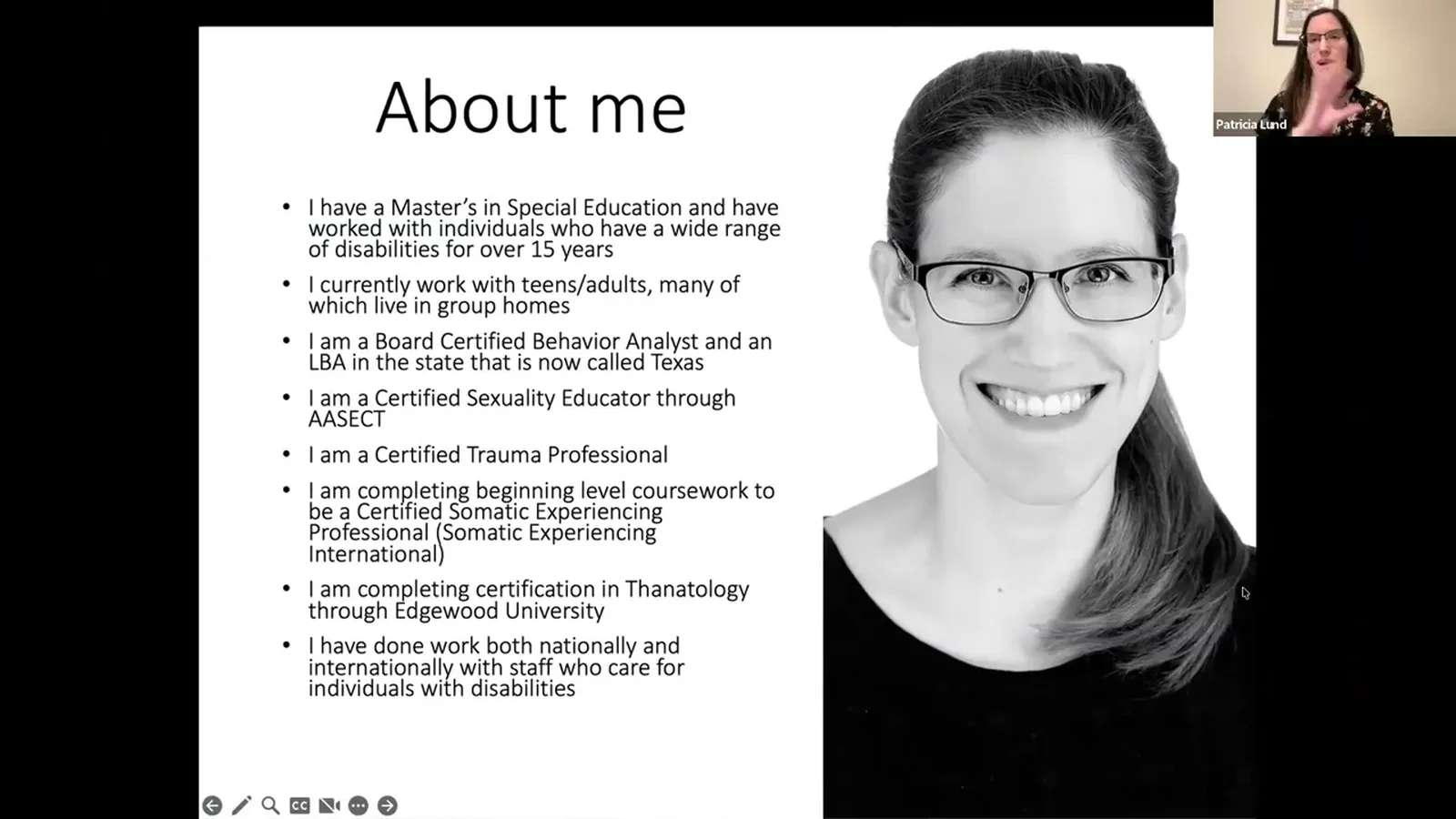
Patricia LundThe Behaviorist Bookclub
Patricia describes a case where an entire clinic team experienced vicarious trauma after a client's parent died, leaving no truly objective staff member…
On this page · 7 sections▾
Vicarious trauma is the weight you carry from other people's pain. You hear hard stories at work. Over time, that pain can start to feel like your own. This is common for people who help others every day.
BCBAs, RBTs, and therapists sit close to hard things. You learn about abuse, loss, and fear from clients and families. That closeness matters for good care. But it can also wear you down without warning. Knowing the signs helps you stay well and keep helping.
What vicarious trauma means#
Vicarious trauma is not the same as living through an event yourself. It comes from hearing about the trauma of others. You take in their pain a little at a time. Slowly, it settles into you.
Dawn White explains it in plain terms. She ties your own past to what you hear at work.
Vicarious trauma is when, when we've experienced our own, um, we've experienced things and heard about other people's traumas and we kind of absorb it too. From the talk — Dawn White
The word "absorb" is the key. You are not just listening. Part of you soaks up the hard feelings. This is normal for caring people. It is also a sign to watch yourself with care.
How it builds over time#
Vicarious trauma rarely hits all at once. It stacks up story by story. One hard session may not shake you. But months of hard sessions add up.
Think of a sponge in a sink. One drop of water does nothing at first. Drop after drop, the sponge grows heavy. A helper's mind can fill the same slow way. At some point, the load starts to show.
The signs can be easy to miss. You might feel tired, numb, or short with people. You might dread work you once loved. These shifts often creep in slowly. That slow pace is what makes them easy to ignore.
Naming the load early helps a lot. When you know what it is, you can act. You can rest, talk it out, or ask for support. The goal is to catch it before it grows too big.
When a whole team is affected#
 Advertisement
Vicarious trauma is not always a solo problem. Sometimes a hard event hits a whole clinic at once. When that happens, no one is truly steady. Everyone is carrying the same weight.
Patricia Lund saw this after a client's parent died. Her whole team felt the loss. That left no calm, outside person to lean on.
There was vicarious trauma all the way around, right? And so there really wasn't an objective party. From the talk — Patricia Lund
This is a real risk in tight teams. You may plan to lean on a coworker for support. But that coworker may be hurting just as much. When the pain is shared, the usual supports can run dry.
This is one reason outside help matters. A person from beyond the team can stay steadier. You can hear more about team-based grief work in Interdisciplinary Grief Support for People with Disabilities. It shows how a counselor and a BCBA can share the load.
The supervisor's job#
Supervisors have a big role here. They often see strain before a staff member does. A good supervisor watches for changes in mood or effort. Then they step in with care, not blame.
Dawn White frames the job as a simple question. You notice a shift, then you ask how to help.
There was a negative reaction here. Um, what is it that I can do to help that staff? From the talk — Dawn White
That question turns a hard moment into support. It puts the focus on the person, not the problem. A supervisor can point staff to self-care. They can also share an EAP, or an Employee Assistance Program, for free counseling.
Supervisors set the tone for the whole team. When they treat strain as normal, staff feel safe to speak up. When they hide it, staff learn to hide too. Open talk about vicarious trauma keeps a team healthy.
How to protect yourself#
You do not have to wait for a supervisor to act. You can protect your own well-being too. Small, steady habits work better than one big fix. The goal is to unload the sponge often.
Start by noticing your own signs. Check in with how you feel after hard days. Name the tired, numb, or heavy feelings when they come. Naming them takes away some of their power.
Then build in real rest and support. Talk with a trusted friend or counselor. Take breaks that truly refill you. Use your workplace EAP if you have one. These are not extras. They keep you able to help others.
Set limits where you can, too. You cannot carry every story home with you. It is fine to leave work at work. Protecting your own health is part of doing this job well.
Why this matters for client care#
Your well-being shapes the care you give. A worn-down helper has less to offer. When you are steady, you show up fully for clients. When you are drained, even small tasks feel hard.
Clients often need you at your calmest. Hard sessions call for patience and clear thinking. Vicarious trauma can chip away at both. Caring for yourself is a way of caring for them.
There is also a safety side to this. Tired, numb staff can miss important signs. They may react slower or with less warmth. Keeping yourself well helps you keep clients safe. Good self-care is part of good practice.
Teams that talk about this openly do better. They spot strain early and share the load. They build in breaks, support, and outside help. That kind of culture protects both staff and clients over the long run.
FAQ#
What is the difference between vicarious trauma and burnout?
They overlap, but they are not the same. Burnout comes from too much stress and too little rest over time. Vicarious trauma comes from taking in the pain of others. You can have both at once. Both are signs you need more support and rest.
Can BCBAs and RBTs get vicarious trauma?
Yes. Anyone who hears about client trauma is at risk. BCBAs, RBTs, and therapists all sit close to hard stories. Absorbing that pain over time is common in this work. It is a sign of caring, not weakness.
How do you cope with vicarious trauma at work?
Start by noticing your own signs of strain. Talk with a supervisor, a friend, or a counselor. Use rest, breaks, and an EAP if one is offered. Set limits so you do not carry every story home. Small, steady self-care habits help you keep going.
 Advertisement
Keep learning
Earn free BCBA CEUs on openceu
Browse on-demand recordings from verified ACE providers and earn CEUs across autism, ABA, and behavior analysis. Detailed certificate, delivered the moment you finish.
Keep going with a free learning path
Supervision, Done Right
Four supervision CEUs that build on each other. What reflective supervision is, how to build a supervision system, how to assess supervisee competence instead of counting hours, and how supervision affects provider outcomes. The BACB asks supervisors for three supervision CEUs per cycle. This covers it.