Early Childhood Trauma: What ABA Teams Should Know
Why early childhood trauma matters in ABA. Learn how common it is among autistic kids, how it shows up in behavior, and how to keep sessions safe.
Key takeaway
Early childhood trauma means harmful events that happen to a very young child. These are also called adverse childhood experiences, or ACEs. They include abuse, neglect, and living through scary or unstable home life.
Explore free BCBA CEU courses
Free learning path on this topic
Supervision, Done Right
Four supervision CEUs that build on each other. What reflective supervision is, how to build a supervision system, how to assess supervisee competence instead of counting hours, and how supervision affects provider outcomes. The BACB asks supervisors for three supervision CEUs per cycle. This covers it.
Experts who cover this
The recording behind this guide covers early childhood trauma aba.
- 1 CEU
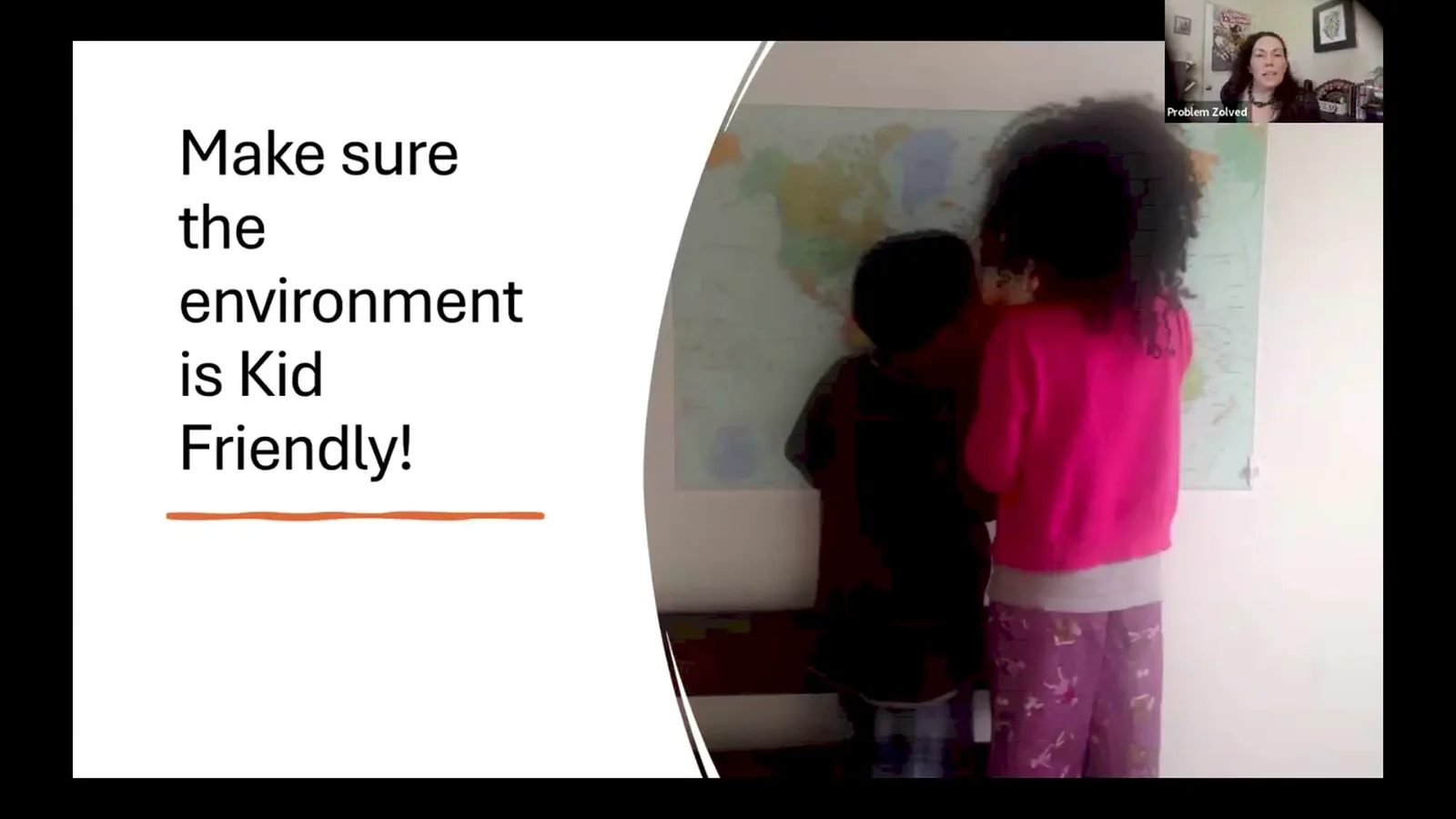
Child Development Deep Dive: Early Childhood (2-5 year olds)
Kelly BrzakThe Behaviorist Bookclub
Kelly discusses the lasting developmental impact of early trauma, pointing to a colleague's presentation on how trauma can present behaviorally in young…
On this page · 9 sections▾
Early childhood trauma means harmful events that happen to a very young child. These are also called adverse childhood experiences, or ACEs. They include abuse, neglect, and living through scary or unstable home life.
This matters a lot for ABA teams. Many children we serve carry trauma we cannot see. When we understand that, we plan safer sessions and read behavior with more care. BCBAs, RBTs, teachers, and parents all play a part here.
Why early trauma leaves such a deep mark#
Young brains grow fast in the first years of life. Harm during that window can change how a child develops. Kelly Brzak makes this point plainly in her talk.
Early childhood trauma can lead to lifelong impacts on development. From the talk — Kelly Brzak
The effects are not always loud or obvious. A single bad event can still shape a child for years. That is why prevention and safety come first.
There are things that we cannot let happen. Not even one time to a little one could result in lifelong trauma and stinting their development. From the talk — Kelly Brzak
This is a strong reminder for anyone who works with young kids. Small moments carry real weight.
Trauma is common among the kids we serve#
It is easy to assume trauma is rare. In autism care, it is not. Dr. Camille Kolu points to how often the two overlap.
About half of individuals with autism may have already experienced trauma, may already have experienced trauma. From the talk — Dr. Camille Kolu
Think about what that means for a caseload. Many of your learners may have a trauma history. So trauma informed care, a way of helping that expects past harm, is not a niche skill. It is basic practice.
What the numbers look like in real caseloads#
Prevalence data helps ground this idea. Dr. Todd Hayden shared the age breakdown from his own school caseload.
It's 63%, um, is zero to three, um, 33% is four to seven and, um, 4% is seven above. From the talk — Dr. Todd Hayden
Most of that exposure happened very early. That fits what we know about early childhood being a high-risk time. Dr. Jen Austin added the national picture from public health data.
The CDC estimated that 60% of the adult population had at least one adverse childhood experience or ACE. From the talk — Dr. Jen Austin
Trauma touches most people at some point. Among autistic children, the odds run even higher. These numbers push us to plan for trauma as the norm, not the exception.
Safety has to come before skill goals#
 Advertisement
When trauma is this common, safety becomes the first job. Kelly Brzak stresses attending to more than the body. She groups safety into physical, psychological, and emotional needs.
A child may look calm and still feel unsafe inside. A loud demand or a sudden change can echo an old fear. So we watch for signs of distress, not just target behaviors. We build trust before we push hard goals.
This does not mean lowering our standards. It means sequencing our work with care. A safe learner can learn. A scared learner shuts down.
How trauma can show up as behavior#
Trauma does not always look like sadness. In young children, it often looks like behavior. A child may hit, flee, freeze, or melt down.
It is tempting to treat only the behavior we see. But the behavior may be a signal of fear or pain. When we ask what happened to this child, we plan better. That question shifts blame off the child.
This lens pairs well with strong assessment. You still take data and test functions. You just add trauma history to the picture. Kelly Brzak covers more of this in Child Development Deep Dive: Early Childhood (2-5 year olds).
Building safety into everyday sessions#
Safety sounds big, but it lives in small choices. You can build it into a normal session. Start by giving the child real choices when you can.
Warn the child before changes happen. A sudden switch can feel scary to a trauma survivor. Keep your voice calm and your body relaxed. Watch for early signs of stress, like a stiff posture or a frozen face.
Pair yourself with good things before you make demands. This builds trust over time. Slow down when a child pulls back. Pushing a scared child often makes things worse, not better.
Working with the whole team#
Trauma care is not a solo job. Parents, teachers, and staff all see different moments. Share what you learn about triggers and calming tools.
A trigger is a cue that sparks a fear response. When everyone knows the triggers, the child gets steadier support. Consistent care across settings helps a child feel safe. That safety is what makes real learning possible.
What the research says#
Research backs up the link between early trauma and worse outcomes. One study used data from the 2016-2021 National Survey of Children's Health. It looked at nearly 5,000 autistic children ages 6 to 17. More ACEs meant lower school attendance, less grade progression, and weaker school engagement.
The same national survey has been used to study sleep. Autistic children with more ACEs tended to get less sleep. Yet strong, connected families softened that effect. Family resilience helped protect kids from the harm of ACEs.
Girls with autism may face extra risk. One study compared autistic and neurotypical girls ages 6 to 12. The autistic girls had more parent-reported adverse events. More ACEs also linked to higher depression and anxiety signs.
Protective factors matter too. A long-term study of Indigenous adolescents found a strong buffer effect. Teens with limited ACE exposure were about six times more likely to avoid neurodevelopmental disorders. Cultural identity and school connection also helped (MI et al., 2024).
FAQ#
What counts as early childhood trauma?
It covers harmful events in a child's early years. Examples include abuse, neglect, violence at home, or a caregiver's loss. These are often measured as adverse childhood experiences, or ACEs.
Is trauma really that common in autistic children?
Yes, it appears to be more common than many assume. Research and clinical reports suggest around half of autistic people may have a trauma history. That is why teams plan for it as a real possibility.
How should ABA change when a child has trauma?
Put safety first, including emotional and psychological safety. Build trust before demanding hard tasks. Read challenging behavior as a possible signal of fear, and keep taking careful data.
 Advertisement
Keep learning
Earn free BCBA CEUs on openceu
Browse on-demand recordings from verified ACE providers and earn CEUs across autism, ABA, and behavior analysis. Detailed certificate, delivered the moment you finish.
Keep going with a free learning path
Supervision, Done Right
Four supervision CEUs that build on each other. What reflective supervision is, how to build a supervision system, how to assess supervisee competence instead of counting hours, and how supervision affects provider outcomes. The BACB asks supervisors for three supervision CEUs per cycle. This covers it.
Parent or caregiver? Find a vetted ABA provider near you on ProviderSpark.