Trials to Criterion: Setting Mastery Goals in ABA
Trials to criterion is how you set a mastery goal for a skill. Learn how to pick a bar that keeps learners winning without boredom or refusal.
Key takeaway
Trials to criterion is a simple idea with a big impact. It is the number of correct tries a learner must hit before you call a skill mastered.
Child Development Deep Dive: Early Childhood (2-5 year olds)
Experts who cover this
2 recordings on openceu cover trials to criterion.
- Featured talk1 CEU
Child Development Deep Dive: Early Childhood (2-5 year olds)
Kelly BrzakThe Behaviorist Bookclub
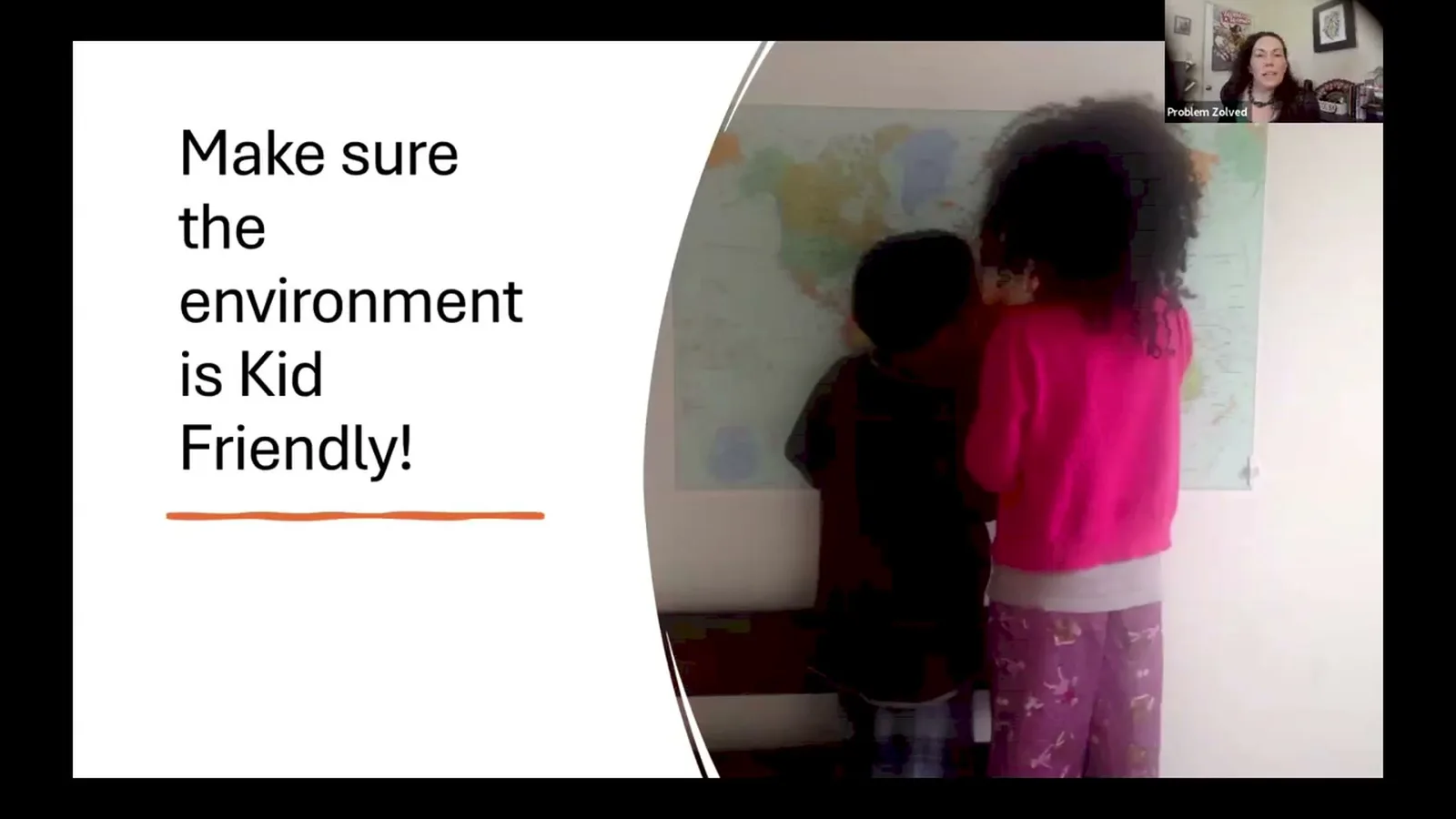
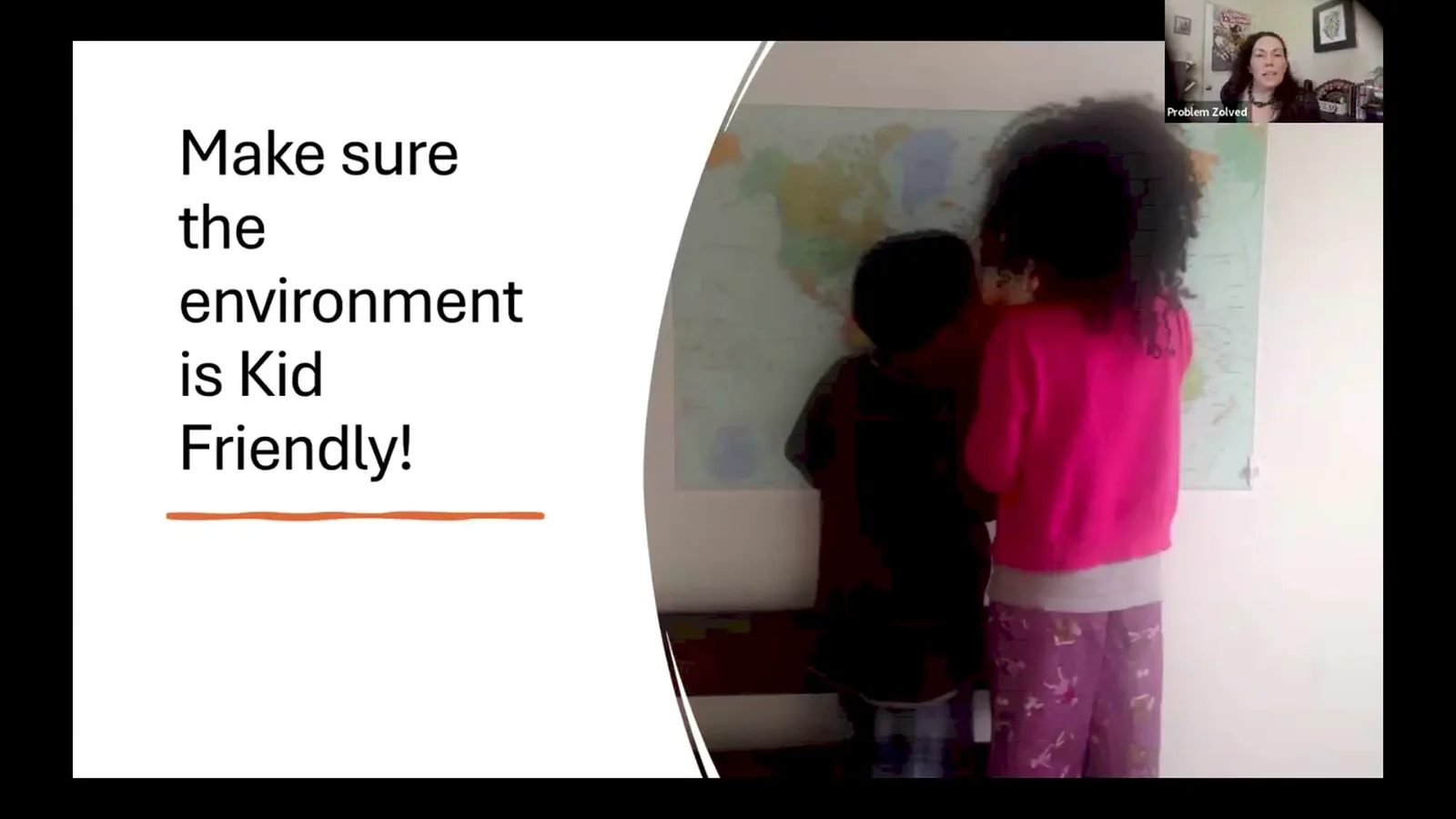
A recurring theme of the talk: Kelly argues for small mastery criteria (2/2 or 3/3 rather than 8/10) with toddlers so they experience frequent success and…
- 1 Supervision CEU
Delegating with Confidence: Training and Supervising RBTs to Support Assessments
Dr. Jessica OsosCopper Consulting Group
The speaker recommends setting an explicit, defensible mastery criterion (e.g., 90-100% procedural fidelity across three consecutive role-plays plus an…

On this page · 7 sections▾
Trials to criterion is a simple idea with a big impact. It is the number of correct tries a learner must hit before you call a skill mastered. A common bar is something like 8 out of 10 correct. But the bar you pick shapes how the whole lesson feels.
This matters for BCBAs, RBTs, teachers, and parents. Set the bar too high and a young child may quit. Set it well and the child wins often and stays happy to work. The right mastery criterion keeps learning fast and keeps the learner willing.
What "trials to criterion" means#
A trial is one chance to answer or do a skill. Criterion is the goal you set for mastery. So trials to criterion counts the tries needed to reach that goal. It is one way we measure how efficient teaching is.
Teams also use it to compare methods. If one prompt gets a child there in fewer trials, that method is more efficient. Fewer trials means less time and less frustration. So the count is both a goal and a scoreboard.
The mastery criterion is the bar itself. It might be 3 out of 3 correct. It might be 8 out of 10 across three days. The number you choose is not just paperwork. It decides how often a learner tastes success.
Small criteria keep young kids winning#
Kelly Brzak makes a strong case for small mastery bars with toddlers. She wants little kids to feel success often. A lower bar means more wins and less struggle. She credits Dr. Patrick McGreevy for shaping this view.
Her point is about the odds of success. A smaller goal is easier to reach. That early win keeps the child engaged and ready for more.
If I set a minimum of three out of three items as a goal, as opposed to five out of five or four out of five or eight out of 10, I'm going to let my little people be more successful. From the talk — Kelly Brzak
Notice she is not lowering the skill. She is lowering how many reps you demand to call it mastered. The child still learns the skill. They just get to feel good along the way.
Boredom and "hoop jumping"#
 Advertisement
A high bar can turn learning into a grind. The child does the same thing over and over. Kelly warns this can feel like jumping through hoops. The learner gets bored, and boredom hurts motivation.
She gives a plain example about naming colors. Imagine asking a child to tact, or label, the same colors again and again. Without much variety, the task gets dull fast.
Now, unless we have like an artist pastel, you know, an artist array of markers, little Susan might be being asked to tack the colors over and over and over. From the talk — Kelly Brzak
The lesson here is about balance. You want enough trials to be sure of mastery. But too many trials on one thing drains the fun. A smaller bar keeps the pace fresh and the child interested.
Pushing too hard invites refusal#
There is a real cost to setting the bar too high. Kelly links big criteria to problem behavior. When she pushed past two or three, things went wrong. Kids started to refuse and try to leave.
Task refusal means the child stops working. Elopement means the child tries to get away. Both are signs the demand was too heavy. A high bar can create these problems on its own.
And anytime that I've been with little ones and I've tried to push past the two or three, that's when I start getting into task refusal and elopement and kids wanting me to leave. From the talk — Kelly Brzak
So the mastery bar is more than a number. It is part of how you protect the child's willingness to learn. A gentle bar keeps the child in the chair and on your side. That is worth far more than a strict count on paper.
How to pick a good mastery bar#
Start by looking at the learner in front of you. A toddler needs a smaller bar than an older student. Match the goal to the child's age and tolerance. The aim is frequent success, not a hard test.
Watch for warning signs during the lesson. Refusal, escape, and boredom all say the bar is too high. If you see them, lower the criterion and try again. A happy learner who wins often will keep going.
Keep the skill itself strong while you ease the bar. You are not making the work easier. You are asking for fewer reps to prove mastery. The child still learns, but with less strain and more joy.
What the research says#
Trials to criterion shows up often in ABA studies as an efficiency measure. It helps teams see which teaching method works faster. A method that needs fewer trials saves time and effort. That makes it a fair way to compare two options.
One study looked at how past practice with a prompt affects teaching. Researchers taught intraverbal skills, which are answers to questions, to children with autism. More exposure to one prompt type made it more efficient later. They measured this by counting trials to criterion (Roncati, Souza, & Miguel, 2019). So a child's history with a prompt can shape how fast they learn.
Another study compared two ways to teach reading and math to young children. It looked at instructional demonstrations versus standard trials. Children who could "name" learned more than twice as fast with demonstrations. The demonstration method reached mastery in fewer trials to criterion (Hranchuk, Greer, & Longano, 2019). This suggests how you present a lesson changes how quickly it sticks.
Both studies use the same tool Kelly cares about. They count the trials a learner needs to master a skill. Fewer trials point to a better, kinder method. That keeps the focus on efficient teaching and on the learner's success.
FAQ#
What is a mastery criterion in ABA?
A mastery criterion is the goal a learner must reach to master a skill. It might be 3 out of 3 correct or 8 out of 10 across days. The bar tells you when a skill is truly learned. Picking the right bar keeps learning both accurate and fair.
How many trials to criterion should I set for a toddler?
There is no single magic number, but smaller is often better for little ones. Kelly Brzak points to bars like 2 out of 2 or 3 out of 3. A low bar gives frequent wins and cuts down on refusal. Watch the child and lower the bar if you see boredom or escape. Kelly walks through this in Child Development Deep Dive: Early Childhood (2-5 year olds).
Why does a high mastery bar cause problem behavior?
A high bar makes a child repeat the same task many times. That can feel boring and heavy, like jumping through hoops. When the demand is too much, kids may refuse or try to leave. A gentler bar keeps the child willing and keeps learning on track.
 Advertisement
Turn this topic into a CEU
You just studied this. Now get credit for it.
Watch Child Development Deep Dive: Early Childhood (2-5 year olds) with Kelly Brzak and earn 1 free BCBA CEU. Detailed certificate, delivered the moment you finish.