Restraint and Seclusion in Schools: A BCBA Guide
What restraint and seclusion mean in ABA and schools, why they carry real risk, and how BCBAs can plan to reduce them safely.
Key takeaway
Restraint and seclusion are two of the most serious things that can happen in behavior work. Restraint means holding a person so they cannot move freely.
Explore free BCBA CEU courses
Free learning path on this topic
Master PFA and SBT
Matt Harrington's 12-article walk through practical functional assessment and skill-based treatment, from Hanley's 2014 study to the enhanced choice model. Then assent, since SBT depends on it, and the ethical guardrails that keep behavior reduction defensible. Five CEUs, one of them ethics.
Experts who cover this
The recording behind this guide covers restraint and seclusion aba.
- 1 Supervision CEU
Practical Takeaways for School-Based Behavior Analysts
Dr. Kaci EllisThe Behaviorist Bookclub
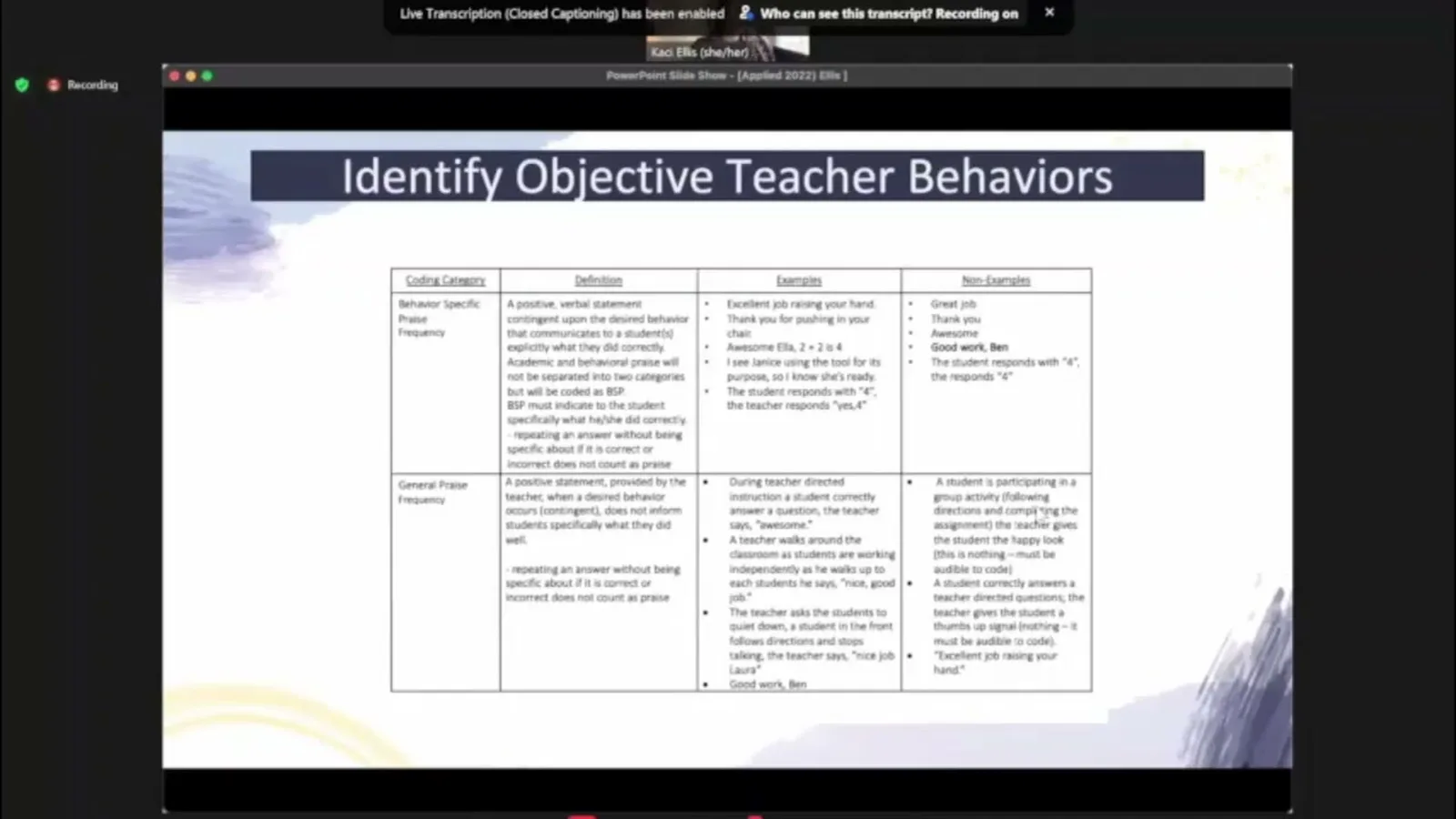
Presented as a must-know before entering any school: BCBAs need to learn the specific restraint policy, who is trained in holds, reporting requirements, and…
On this page · 7 sections▾
Restraint and seclusion are two of the most serious things that can happen in behavior work. Restraint means holding a person so they cannot move freely. Seclusion means putting a person alone in a space they cannot leave. Both are used most often with people who have disabilities.
These practices carry real risk. People can get hurt, and so can staff. That is why BCBAs, RBTs, teachers, and parents all need to understand them. This page explains what they are, why they matter, and how good planning can lower how often they happen.
What these terms actually mean#
Restraint and seclusion are not the same thing. Restraint is a physical hold. Seclusion is forced alone time in a locked or blocked space. Schools often group them together in their crisis policies.
The line for what counts as restraint can be very low. A small physical act may still meet the legal definition. Dr. Kaci Ellis makes this point sharp for new school BCBAs.
Even holding a child's hand and then pulling away from you could technically be considered a restraint on a school campus. From the talk — Dr. Kaci Ellis
This matters because staff may restrain a child without knowing it. Knowing the exact definition protects the child and the adult.
Why the numbers should worry us#
Students with disabilities face these practices far more than their peers. That gap is large and well documented. John Stavitz shared state data that frames the whole problem.
There's some recent data out there that asserts that students with disabilities are seven times more likely to be restrained than neurotypical peers, and they're four times more likely to be isolated. From the talk — John Stavitz
Restraint is also not safe for the adults involved. Injuries are common when holds happen. Stavitz noted how often this shows up in the record.
More than 500 of the restraint episodes documented in Tennessee public schools during the 2020-21 school year resulted in staff injuries. From the talk — John Stavitz
So restraint puts everyone at risk. It is not a neutral tool. It is a last resort with real costs.
How crisis cycles lead here#
 Advertisement
Many restraint events start long before the hold. They start when demands keep coming during a rising crisis. Pushing for compliance at the wrong moment can make things worse.
Nicky Schneider described this pattern in schools. She also noted that districts do not love sharing these numbers.
A lot of times we're in crisis and quite a few times where we have to employ restraint and seclusion. I don't know about your state. My district does not like reporting those numbers. From the talk — Nicky Schneider
That reluctance to report is part of the problem. When numbers stay hidden, no one can push to lower them. Clear tracking is the first step toward change. You cannot fix what you refuse to count.
What a BCBA must do first#
Before you ever step onto a campus, learn the local rules. Every district has its own restraint policy. You need to read it and know it well.
Dr. Kaci Ellis gives a plain first task for any school BCBA.
You need to ask for the school's restraint policy... you as the BCBA need to be aware of what is the policy and if you are allowed to put a kid in a restraint on a school campus. From the talk — Dr. Kaci Ellis
Find out who is trained in safe holds. Learn the reporting rules. Learn how broadly your district defines a restraint. These basics keep you and your students safe.
Reducing restraint through better systems#
The good news is that these numbers can go down. Strong school-wide systems make crises less likely. When teams support behavior early, they need fewer reactive holds.
Stavitz shared results from teams using universal protocols. The change was real and measurable. Two students in the project, DeAndre and Madden, saw significant drops in daily restraint use.
The goal is to prevent the crisis, not just to respond to it. Good plans teach skills, adjust demands, and reward calm behavior. That work lowers the need for restraint over time.
Universal protocols also keep students on campus longer. When staff have shared tools, fewer students get sent away. That stability helps the whole school, not just one child. It is a system-level fix, not a one-off reaction.
What the research says#
Restraint and seclusion are common but poorly supported by evidence. One national review of Medicaid waivers found that most state waivers still permitted restraint. Far fewer allowed seclusion. This shows how widespread the practices remain.
Rates in community settings are also high. A survey of adults with intellectual disabilities found restrictive measures used with most participants. Their use was linked to factors like communication mode and support worker experience.
School-based work points to a way forward. One two-year case study took place in an alternative education setting. Staff use of restraint and seclusion dropped after the school added positive behavior supports (M, M., E, W., & S, T. (2022). Adaptation of Universal Behavioral Supports Within an Alternative Education Setting). Reviews of school practice echo this. They call for evidence-based strategies that reduce the need for these measures.
FAQ#
What is the difference between restraint and seclusion? Restraint is a physical hold that limits how a person can move. Seclusion is placing a person alone in a space they cannot leave. Both are restrictive and both carry risk.
Are BCBAs allowed to use restraint in schools? It depends on the district. Some schools allow trained staff to use holds, and others do not. You must read the local policy first and confirm what is permitted before acting.
How can schools reduce restraint and seclusion? The best path is prevention. Strong school-wide supports, skill teaching, and early crisis response lower how often holds are needed. Clear reporting also helps teams track and reduce these events.
Two other talks go deeper on the school side of this work. Nicky Schneider asks which battles are worth it in School Behavior Change: Is that the hill you are going to die on?. Dr. Kaci Ellis covers policy basics in Practical Takeaways for School-Based Behavior Analysts.
 Advertisement
Keep learning
Earn free BCBA CEUs on openceu
Browse on-demand recordings from verified ACE providers and earn CEUs across autism, ABA, and behavior analysis. Detailed certificate, delivered the moment you finish.
Keep going with a free learning path
Master PFA and SBT
Matt Harrington's 12-article walk through practical functional assessment and skill-based treatment, from Hanley's 2014 study to the enhanced choice model. Then assent, since SBT depends on it, and the ethical guardrails that keep behavior reduction defensible. Five CEUs, one of them ethics.