Rad N Bad: The Digital Tightrope — Social Media, Public Statements, and Supervisee Digital Ethics
Presented by Sean Yocum, MA, BCBA, LBA

Social media gives behavior analysts a powerful public platform, along with real ethical risk. In this solo episode, host Sean Yocum examines professional social media activity through the BACB Ethics Code for Behavior Analysts. He discusses how algorithms that reward conflict and outrage can amplify unprofessional content; why personal accounts that reference professional activity function as professional communication; the risks of posting client anecdotes, session memes, or complaints about caregivers or employers; the ethical line between critique that improves practice and oversimplified 'hot takes' that present opinion as scientific fact; and why diluting complex concepts for engagement can contribute to misinformation. He emphasizes the supervisor's responsibility to train and oversee supervisees, including RBTs, on confidentiality and appropriate public statements on social media. He offers a guiding question for every post: does this benefit the client and the community, or only me? Participants will leave with a pre-post checklist and a supervisee training outline.
Sign in to buy — $7.50One-time purchase, permanent access. Cert delivered to your inbox the moment you pass the quiz.
About this CEU
Every post is a professional billboard, whether you mean it to be or not. In this solo episode I talk about where the Ethics Code meets social media. We cover confidentiality and public statements, what happens when we dilute the science for clicks, and why training your supervisees on digital ethics is your responsibility. Disclosures & Publication Info No commercial products discussed. The instructor hosts a podcast and is active on social media. Published: 2025-11-12 Listening to the podcast episode does not earn CEUs; credit is earned only by completing this OpenCEU event.
Abstract
Social media gives behavior analysts a powerful public platform, along with real ethical risk. In this solo episode, host Sean Yocum examines professional social media activity through the BACB Ethics Code for Behavior Analysts. He discusses how algorithms that reward conflict and outrage can amplify unprofessional content; why personal accounts that reference professional activity function as professional communication; the risks of posting client anecdotes, session memes, or complaints about caregivers or employers; the ethical line between critique that improves practice and oversimplified 'hot takes' that present opinion as scientific fact; and why diluting complex concepts for engagement can contribute to misinformation. He emphasizes the supervisor's responsibility to train and oversee supervisees, including RBTs, on confidentiality and appropriate public statements on social media. He offers a guiding question for every post: does this benefit the client and the community, or only me? Participants will leave with a pre-post checklist and a supervisee training outline.
Credits
0.5 ethics CEUs · 27 min
What you'll learn
- 1Identify Ethics Code standards that apply to social media activity, including confidentiality and public statements. Distinguish between public critique intended to improve practice and content that misrepresents behavior analysis or presents opinion as scientific fact. Describe the supervisor's responsibilities for training and monitoring supervisees' digital conduct. Apply a pre-posting decision checklist to evaluate whether content protects client dignity and accurately represents the science.
Course materials
Related talks
Talks that cover the same concepts
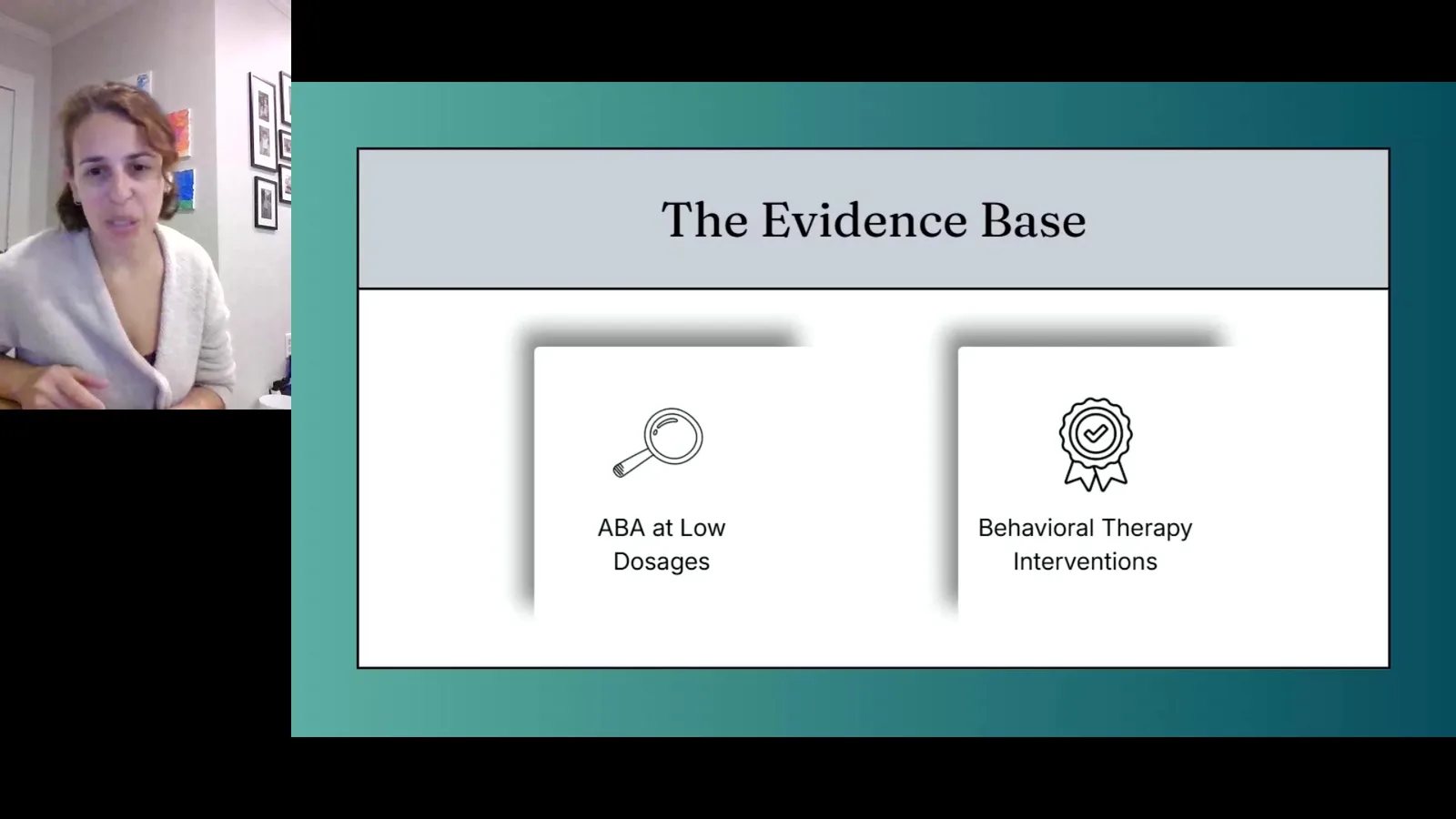
Open the Door: Low Dosage ABA as an option
Nicole L. Stewart LLC

Rad N Bad: The Other Side of the Table — Ethical Failures, Compassionate Care, and Consumer Realities in ABA
Hickory Learning Group

Rad N Bad: The Dosage Dilemma — Contingency, Evidence, and Ethics in ABA Treatment Intensity
Hickory Learning Group
Harm Reduction Within ABA Practice
The Behaviorist Bookclub
Roadmapping: A Guide to Lasting Independence
Hickory Learning Group
Supervising Beyond Technical Skills: Professionalism, Communication, and Clinical Judgment
The Behaviorist Bookclub
More from Hickory Learning Group

Rad N Bad: The Middle Ground of NET — Escaping the Babysitting Trap with Rigorous Natural Environment Teaching
Hickory Learning Group

Rad N Bad: DTT Is Not a Permanent Residence — Integrating Discrete-Trial and Naturalistic Teaching for Generalization
Hickory Learning Group

Rad N Bad: The Forbidden E-Word — Extinction, Its Side Effects, and Compassionate Implementation
Hickory Learning Group
OpenCEU is supported by advertising from third-party sponsors. Sponsors are clearly labeled, have no influence over course content, instructors, or CEU decisions, and never appear on certificates. The BACB does not sponsor, approve, or endorse OpenCEU sponsors or their products.