Feedback as Critical Component of Supervision - Applied 2022
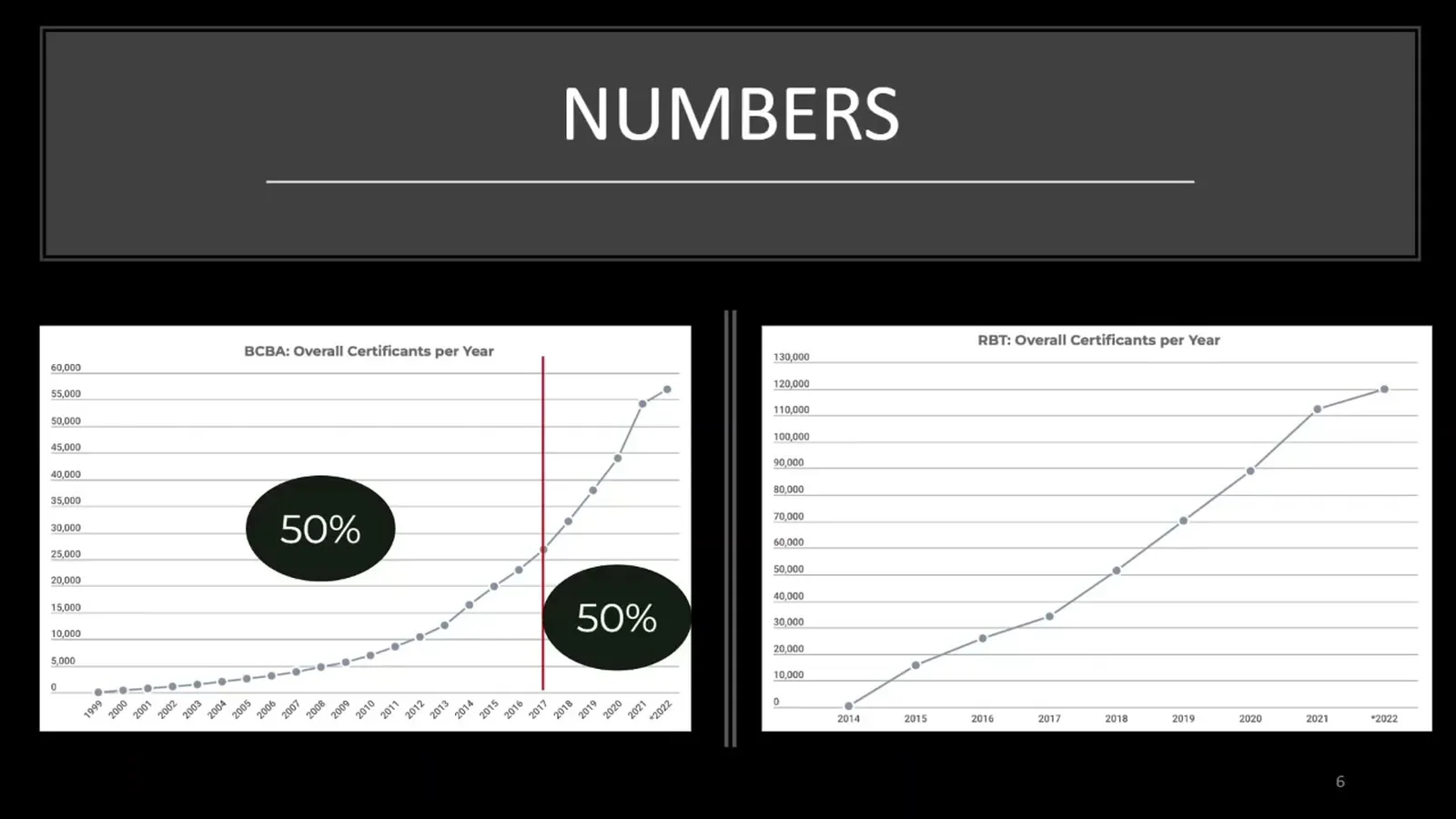
Abstract This session examines how supervisory practices shape clinical quality in ABA and offers a practical framework for building brave, bidirectional feedback cultures. Using current BACB data and a “downstream impact” model, the talk highlights risks of poor supervision and mismatches between confidence and competence. Participants learn to front-load supervision with explicit feedback agreements; solicit, receive, implement, and deliver feedback that is specific, compassionate, culturally responsive, and socially valid; and use timing and order strategically. The session models micro-BST for corrective feedback, shows how to analyze persistent performance barriers with the PDC-HS, and adapts tools from Crucial Conversations to reduce power-differential strain and increase psychological safety. Emphasis is placed on monitoring the effects of supervision like any intervention—via fidelity, outcomes, and trainee social validity—so that feedback reliably improves practitioner behavior and client results.
Cancel any time. Cert delivered to your inbox the moment you pass the quiz.
What you'll learn
- 1Learning Objectives By the end, participants will be able to:
- 21. Describe the downstream impact of supervisory practices and identify risks when confidence and competence are misaligned.
- 32. Set up a supervision “feedback contract” that specifies expectations for soliciting, receiving, implementing, and delivering feedback.
- 43. Deliver corrective feedback using a 60-second BST sequence (describe, rationale, model, rehearse, feedback/plan) in live or debrief contexts.
- 54. Adjust feedback parameters (specificity, timing, order, tone) to improve effectiveness and social validity across cultural preferences.
- 65. Analyze persistent staff-performance issues with the PDC-HS and select function-matched solutions.
- 76. Evaluate supervision by tracking implementation fidelity, trainee performance outcomes, and trainee-rated social validity, and iterate based on those data.